- Key Takeaways
- Resurfacing Rewards
- Palm Beach’s Impact
- The Transformation Process
- Material & Style Choices
- Beyond The Catwalk
- Navigating Local Codes
- Conclusion
- Frequently Asked Questions
- What are the main benefits of resurfacing a concrete catwalk in Palm Beach?
- How long does a concrete catwalk resurfacing last in Palm Beach?
- What styles or finishes are popular for Palm Beach catwalk resurfacing?
- Is resurfacing a catwalk more affordable than replacing it?
- How does the weather in Palm Beach affect the resurfacing process?
- Are there local codes for catwalk resurfacing in Palm Beach?
- Can I walk on my catwalk right after resurfacing?
Key Takeaways
- Palm Beach concrete catwalk resurfacing enhances safety by eliminating slip hazards and uneven surfaces, which is crucial in humid and coastal routes.
- With our specialized concrete overlay, we resurface walkways, driveways, and pool decks with durable, salt-resistant, UV-protected materials that can stand up to Florida’s wrath from salt water to sun and hurricanes.
- Premium resurfacing adds enormous property value and curb appeal to homes. They not only look beautiful and more desirable to homebuyers, but it is one of the best returns on investment out there.
- With loads of options for homeowners, from decorative finishes to color stains and patterns, you can have the outdoor space of your dreams with a design that matches the local landscaping.
- With materials like tile and stone, routine care, protective sealers, and moisture-resistant products are necessary to fight humidity, mold, and years of surface degradation common in Palm Beach.
- It ensures you meet Palm Beach County building codes and work with experienced contractors that will save you headaches and project delays and provide you with durable, regulation-approved results.
Palm Beach concrete catwalk resurfacing is about repairing and revitalizing walkways to withstand the sun, salt air and intense foot traffic.
We begin by clearing and repairing existing concrete and filling any cracks. Then our crews finish the job with a new top surface designed to withstand Palm Beach’s style and weather.
A lot of public locations, such as parks and beach walkways, utilize these enhancements for security reasons and a neat appearance.
The second section will deconstruct the decisions and steps for these projects.
Resurfacing Rewards
Palm Beach’s concrete catwalk resurfacing brings more than a refreshed look. The treatment provides practical, visual, and economic advantages for beachfront living. Homeowners consider these benefits when resurfacing paths or common areas.
1. Enhanced Safety
Textured finishes are a tried and true method to increase grip, which means that footpaths in busy spaces become safer for all. The hazard of slick wet leaves remains, even after Florida’s unpredictable afternoon showers.
Resurfacing involves leveling uneven slabs and removing trip hazards, which is a big step in accident prevention. Reflective finishes are great for night or shady garden paths. They assist individuals in detecting bumpy surfaces and steps, minimizing the risk of falling.
Long-lasting resurfacing materials endure their share of trampling, making the surface secure and resilient for decades.
2. Property Value
Unlike a new patio, professional concrete resurfacing can actually increase a property’s market value because buyers want well-maintained, stylish outdoor living spaces. The Palm Beach ROI is impressive, particularly among other home upgrades.
Modern design choices, such as custom colors or geometric designs, captivate buyers and distinguish homes. Improved curb appeal with a new pathway often leads to quicker sales at higher prices.
3. Coastal Durability
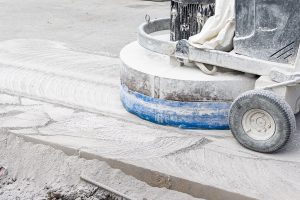
Saltwater and humidity in Palm Beach destroys non-sealed concrete. Using saltwater-resistant materials is a must. Waterproof coatings keep the moisture out and prevent cracks in the first place.
Special coatings protect against the impact of excessive moisture, which can cause mildew or discoloration. Resurfacing must meet local coastal durability standards.
When done right, these surfaces have a lifespan of 10 to 15 years, and 20 years with care like resealing every few years. Homeowners gain peace of mind and save by reducing repairs and constant replacements.
4. Aesthetic Revival
Concrete resurfacing allows homeowners to choose decorative finishes like stamped patterns or exposed aggregate. These options can complement existing landscaping, add personality, or define a distinct style.
Color stains allow you to coordinate or contrast with house exteriors. Patterns and extra texture provide more than eye candy. They provide character to patio areas, creating them inviting and chic.
It’s resurfacing rewards all around.
5. Smart Economics
Resurfacing costs between $3 and $10 per square foot, which is significantly less than the cost of removing and replacing concrete. Most homeowners recoup 50 percent, even 80 percent, more than replacement.
They work on projects that take hours, not days, so there is less disruption to daily life. Long term, resurfacing cuts maintenance costs.
With premium materials and maintenance such as resealing, walkways endure for decades. The economic benefits span from significant savings to increased home values. Resurfacing nearly always provides the greatest return for the least investment.
Palm Beach’s Impact
Palm Beach itself sits right on Florida’s coast, sculpted by a humid, subtropical climate and unforgiving sun. Salt in the air, rain, and months of heat all take their toll on concrete. The town has experienced increasing attention to climate change and infrastructure, participating in regional studies and modifying local building codes.
These codes impose stringent concrete strength and surfacing regulations. Any catwalk resurfacing must conform to both environmental and legal requirements. With state investment exceeding $550 million since 2019 for shoreline protection alone, the spotlight on durable, resilient surfaces has never been brighter.
Saltwater Intrusion
Saltwater hurts concrete by breaking down its internal structure over time. Salt seeps through tiny cracks, reaches the steel inside, and causes rust. This rust expands, which makes cracks worse and leads to flaking.
In Palm Beach, where salt spray is constant, this cycle is common and speeds up surface damage. Salt-resistant mixes and sealers slow this down. Using them for resurfacing lowers the risk of future chipping or stains, which is vital for walkways near the beach.
Regular washing, sealing, and crack repairs can keep salt from doing deeper harm. Homeowners see benefits from adding drainage, like French drains, to direct salty runoff away from concrete, cutting down on long-term problems.
UV Degradation
The concrete in Palm Beach gets battered by the sun most of the year, fading and wearing its surface. UV rays dissolve that top layer, making it chalky and fragile. UV coatings do just that by blocking sun damage; they help your surface maintain its appearance and integrity for longer.
Re-apply these coatings every few years, best considering the region’s harsh sun. It’s wise to inspect for sun fade or worn spots, as these are the first indicators of UV damage. Going with lighter-colored surfaces helps reflect sunlight, which decreases surface temperatures and the heat stress the concrete experiences.
Humidity & Mold
Moist, humid air in Palm Beach results in mold being a genuine threat to concrete. Mold and mildew grow quickly on wet surfaces, staining and slickening walkways. When moisture cannot soak in, it stays on the surface, making it drier and less attractive for mold.
Proper drainage, whether it be sloped surfaces or additional channels, prevents puddles that nourish mold. Sweeping walkways and using mild cleaners with a brush after storms prevents mold and debris from accumulating and extends the life of the resurfaced path.
Hurricane Resilience
Walkways in Palm Beach have to withstand hurricane winds and heavy rain. Palm Beach’s impact resurfacing jobs require strong base prep and tight installation to hold concrete in place when Mother Nature gets rough.
Reinforced overlays, with additional fibers or mesh, assist concrete in withstanding cracking and shifting in storms. It’s smart to deploy hurricane-rated mixes and design elements, such as rounded corners or additional anchors, that align with local code and weather conditions.
Homeowners who make these upgrades experience less post-major storm repairs and a more durable walkway.
The Transformation Process
Our concrete catwalk resurfacing in Palm Beach is a process that guarantees a durable, attractive finish with minimal downtime. Special weather and environmental factors unique to South Florida, such as salt exposure and high humidity, make it important to take care of these surfaces with the appropriate techniques and equipment.
To homeowners and property managers, it promises a process that is both technically rigorous and adaptable to local circumstances.
Surface Analysis
A meticulous inspection of the catwalk’s floor precedes. Professional crews search for hairline cracks, scaling, and pitting, as well as deeper damage, utilizing visual inspections and occasionally moisture meters.
The substrate’s stability is crucial, as any shifting can impact the durability of the overlay. Notes, sketches, or digital photos capture every flaw and worry.
This history informs a redecorating schedule specific to each path, considering elements such as sun, rainfall, and adjacent plantings. Collaborating with the homeowner or building manager at this point helps define what needs to be addressed, including improving slip resistance, complementing landscaping, or mitigating high-traffic areas.
Concrete Repair
Crack, spall and low spot repair is a requirement prior to overlay. Crews power wash and patch these imperfections with repair mortars or epoxy products that bond to the old surface.
The material used typically varies based on the damage’s dimensions and severity, as well as the concrete’s age and composition. Repairs need to cure for a fixed amount of time, sometimes as much as 24 hours, before proceeding to ensure the bond is solid.
If you rush this step, you’ll end up with overlays that either peel or bubble or just fail prematurely. Addressing these concealed concerns early on assists in avoiding water seepage and additional fissuring, which is crucial in coastal climates such as Palm Beach.
Overlay Application
When repairs are scheduled, a fresh overlay is laid over the pathway. Workers can apply squeegees, trowels, or sprays for a nice, even layer.
This is the step where patterns or colorants can be mixed in to mimic the appearance of natural stone, brick, or tile, a la Palm Beach neighborhoods. Care in curing is essential.
Overlays require 24 to 48 hours to set, depending on the product and weather. Some projects need to be moistened and cured for a number of days, particularly in the drier months of late fall or winter, to prevent early drying and cracking.
Master craftsmanship is unmistakable because even a tiny flaw will linger for decades.
Protective Sealing
After the overlay cures, it’s sealed with a good sealer. This transparent coat protects your path from rain, UV rays, and even stains from palm fronds or fertilizer.
Resealing every two to three years is a typical recommendation, as it keeps the appearance fresh and helps inhibit water penetration. Several modern sealers enhance color and add a sheen that makes decorative finishes pop, all of which count for high exposure areas.
Opting for a sealer that contains UV blockers and water resistance was a smart move for Palm Beach’s sunny, humid climate, lengthening the surface life far past the typical eight years. Some see two decades plus with maintenance.
Material & Style Choices
Palm Beach concrete catwalk resurfacing is a unique mix of material performance, style, and climate considerations. Material choices direct the longevity and appearance of your path, and style options allow homeowners to emphasize their own personalities. Here are some of the most popular resurfacing materials and their benefits.
|
Material Type |
Benefits |
Lifespan (Years) |
Best For |
|---|---|---|---|
|
Cool Deck Coatings |
Lowers surface temps, slip-resistant |
10-15 |
Pool areas, patios |
|
Stamped Overlays |
Decorative, cost-effective, versatile |
20-25 |
Walkways, entries |
|
Microtoppings |
Smooth finish, customizable, thin layer |
7-10 |
Indoor/outdoor |
|
Epoxy Coatings |
Durable, stain-resistant, glossy look |
10-20 |
Garages, commercial |
|
Acrylic Resurfacing |
UV-resistant, flexible, humid climates |
8-12 |
Walkways, driveways |
Decorative choices such as stamped concrete and color overlays add curb appeal and establish a warm tone for the outdoors. With all of the options in color, textures, and patterns, homeowners can coordinate their walkways with their homes or gardens.
Good drainage, like French drains or a sloped design, is key in Palm Beach to keep walkways dry and reduce swelling. Material & Style Choices: Selecting materials appropriate for Palm Beach’s hot, humid climate. Acrylic-based coatings and breathable sealers do not trap moisture, which reduces peeling and increases longevity.
With some cleaning and resealing every couple of years, concrete walkways last for decades. Personalization allows homeowners to express their own styles. Here your choices range from hand-picked colors to stamped patterns to textured finishes.
These accents assist walkways in blending into the local Palm Beach scenery and give a customized look.
Cool Deck Coatings
Cool deck coatings keep surface temperatures down, which is critical to Palm Beach’s sun. Unlike bare concrete, these coatings reflect more sun and absorb less heat, and therefore walkways, patios, and pool decks are much more comfortable to walk on barefoot.
This is particularly useful in the hottest months, as it minimizes burn potential and maximizes usability throughout the day. In addition to cooling properties, cool deck coatings are slip-resistant and long-lasting. They stand up to foot traffic and do not wear down from pool chemicals or saltwater.
With a variety of colors to choose from to coordinate or contrast outdoor furniture, lawns, or home exteriors, these coatings are as functional as they are aesthetically enjoyable.
Stamped Overlays
- Repeat natural stone, brick, or tile at a more affordable price.
- Offer a broad range of patterns and textures.
- Withstands heavy traffic and Mother Nature for a quarter century.
- Price usually falls between eight and eighteen dollars per square foot.
Stamped overlays are incredibly versatile, complementing numerous aesthetic preferences from traditional to contemporary. Their flexibility allows homeowners to select patterns that complement entryways, patios, or walkways.
Stamped overlays are less expensive and easier to maintain than stone pavers. They’re a great way to add curb appeal without breaking the bank.
Microtoppings
Microtoppings are thin, cement-based coatings intended to rejuvenate aged or worn concrete. They produce an even finish that conceals imperfections and discoloration. Microtoppings bond easily to existing concrete, so they’re perfect for rapid facelifts.
Microtoppings come in an array of colors and textures and allow for fun customization. Homeowners can choose subtle earth tones for tradition or create a statement walkway with bold shades.
These are great indoor and outdoor products, so you can continue your look throughout your property.
Epoxy Coatings
Epoxy coatings are incredibly strong and resistant to stains, chemicals, and abrasions — perfect for your garage or commercial walkways. Its hard, seamless finish resists oil, spills, and salt for staying power in high-traffic spots.
Epoxy finishes excel in looks. Offered in glossy, matte, and even metallic, they can provide a slick, contemporary aesthetic. Maintenance is minimal. Sweeping and the occasional mopping keep floors fresh.
Beyond The Catwalk
In Palm Beach, concrete slabs endure salt air, humidity, and brutal weather on a daily basis. Resurfacing catwalks is cool, but resurfacing concrete has value far beyond the catwalk. With proper planning, expertise, and materials, we can ensure you get years of enjoyment even in South Florida’s harsh climate.
- Pool decks, patios, driveways and walkways can be resurfaced for a new appearance and improved performance.
- Seawalls and docks receive extra defense against saltwater corrosion and abrasion.
- There are outdoor stairs and entryways that can be spruced up for safety and curb appeal.
- Homeowners can create a pulled together design by resurfacing several outdoor features at once.
- Commercial properties employ resurfacing to extend the life of high-traffic areas.
Pool Decks
Pool decks in Palm Beach are pummeled by sun, rain, and pool chemicals. Resurfacing these spaces is essential to maintaining them secure and clean. Crack-free, smooth surfaces keep people from tripping. New coatings can resist fading, chipping, and heat buildup.
Slip-resistant coatings are necessary for pool decks. They hold the space, even when it’s soggy. This is especially crucial for families and guests who frequent the pool. These coatings stand up beautifully to salt air and high humidity, which accelerates deterioration on untreated concrete.
Needless to say, there are numerous ways to make pool decks one of a kind. Homeowners can choose from colors, textures, and designs that match their own aesthetic. Stamped concrete or colored finishes can transform a boring pool deck into a showstopper. Customization helps to tie the deck into the rest of the property’s appearance.
Keeping ahead of maintenance is critical. Routine inspections and maintenance prevent minor problems from developing into major repairs. In high-use areas, it is worth resurfacing more frequently to avoid cracking and maintain safety.
Seawalls
Seawalls protect coastal real estate from erosion and storm surge. In Palm Beach, the saltwater humidity can erode concrete quickly. Hard-repair resurfacing solutions are required to armor these barriers and keep maintenance costs low.
Drainage is essential. If seawalls trap water, it can corrode the concrete and compromise the entire structure. Good planning keeps water draining away and the seawall firm. This type of detail often benefits from a professional touch.
Resurfacing allows homeowners to select finishes that complement the waterfront backdrop. Whether sleek, clean lines or textured surfaces, they both enhance curb appeal. Any property values a nice seawall.
Continued care is savvy spending. Routine inspections identify issues when they are small, which is cheap, rather than later, when they are expensive.
Docks & Patios
Resurfacing docks and patios not only upgrades the looks but enhances function as well. These areas take care of sun, rain, and salt. Using weather-proof coatings maintains them firm all the time.
Slip resistance counts most on docks, where water slickens surfaces. The non-slip finishes keep those places safer for all of us by lessening the incidence of falls. For patios, textured coatings can add grip and still be stylishly camouflaged.
Patios and docks are at the heart of outdoor living in Palm Beach. Creative resurfacing, such as stamped patterns or custom colors, can jive with the home’s style and outdoor vibe. This creates a cohesive, healthy looking style.
Equipped with expert teams and a strong selection of materials, resurfacing solutions can withstand the wear of heavy foot traffic, salt air, and unpredictable weather. They also reduce maintenance in the long run.
Navigating Local Codes
Concrete catwalk resurfacing in Palm Beach requires mindful attention to local codes from day one. These codes establish regulations on how sidewalks are constructed or modified, which they do to protect pedestrians, ensure equitable spaces, and assist in maintaining aesthetically pleasing communities. If you bypass or overlook a regulation, you could be fined or have your project delayed.
Walkways and paths must be accessible for folks with disabilities. This means ensuring slopes, widths, and surfaces comply with county and federal laws.
Permits are a big deal in Palm Beach County. You can’t begin resurfacing without the appropriate paperwork. The key types are the Uniform Building Permit Application, which is a necessity for the majority of building work. For driveways or paths, you might require a local building permit or even a special driveway permit.
Every permit requires its own supporting documentation, such as layout plans and evidence that you intend to comply with the code. For example, you’re switching out a driveway. The county says it must be a minimum of 12 feet wide, but not wider than 24 feet, at the property line. In addition, a 5-foot green buffer is mandated from the property line.
These specifics need to appear on your site plan when you submit your permit. Having even one piece of paperwork or drawing missing can set your project back to square one.
Working with good contractors is one of the best ways to make sense of these codes. Local contractors know what Palm Beach inspectors want. They can assist you with the paperwork, design appropriate plans, and keep your project moving forward.
An experienced local contractor, for instance, will understand how to make a catwalk accessible or how to place buffers correctly. They can ensure all required compliance records are maintained so you’ve got the paperwork if the time ever comes. This collaboration saves time and prevents you from costly mistakes and delays.
Homeowners should pause and read up on some code rules before launching a resurfacing project. You don’t have to become an expert, but knowing the basics is it a ten-foot buffer or fifty? How wide a limit? What permits to pull can keep your project on schedule.
If you’re not confident, the Palm Beach County website has guides and checklists for most projects. Being informed means fewer surprises and a smoother ride from start to finish.
Conclusion
Palm Beach enhances its allure with concrete catwalk resurfacing that endures sun, salt, and sole. Crews utilize rugged mixes and intelligent finishes that befit the coast. People step more securely and notice clearer outlines and shinier walks beneath their soles. Every project meets local code; no step is skipped. Pros rely on good equipment and trusted techniques. The blend, the pour, and the polished finish are all essential. Concrete here gets more than a face-lift; it stands up to sand, heat, and sudden rain. To maintain your own slice of salubriousness, consult with a neighborhood expert who understands Palm Beach concrete catwalk resurfacing. Be a step ahead, and let your walk reflect it.
Frequently Asked Questions
What are the main benefits of resurfacing a concrete catwalk in Palm Beach?
Resurfacing enhances safety, increases curb appeal and adds years to the life of your catwalk. It helps shield against Palm Beach’s harsh sun, heavy rain and salty air.
How long does a concrete catwalk resurfacing last in Palm Beach?
With great materials and care, resurfaced Palm Beach catwalks can endure 10 to 15 years, even in our harsh coastal climate.
What styles or finishes are popular for Palm Beach catwalk resurfacing?
Slip-resistant coatings, decorative overlays, and pastel colors gel with the local aesthetic and bring safety while blending in with Palm Beach’s upscale look.
Is resurfacing a catwalk more affordable than replacing it?
Yeah, resurfacing is generally a lot less expensive than complete replacement. It brings back utility and beauty without the cost or extended downtime.
How does the weather in Palm Beach affect the resurfacing process?
With humidity and salt air, materials need to be selected for durability and rapid curing. Professional contractors schedule the work to avoid rain and hot weather.
Are there local codes for catwalk resurfacing in Palm Beach?
Yes, Palm Beach building codes are very strict. Always consult the local building department or employ a contractor who knows Palm Beach’s code requirements.
Can I walk on my catwalk right after resurfacing?
Normally, you have to wait a minimum of 24 to 48 hours. Your contractor will provide you with a more precise schedule dependent on materials and local weather.