- Key Takeaways
- Why Resurface
- Palm Beach Climate
- Resurfacing Choices
- The Resurfacing Process
- Beyond the Walkway
- Local Compliance
- Conclusion
- Frequently Asked Questions
- Why should I resurface my concrete walkway in Palm Beach?
- How does Palm Beach’s climate affect concrete walkways?
- What are the top choices for walkway resurfacing in Palm Beach?
- How long does the resurfacing process take?
- Can resurfacing help prevent slips on my walkway?
- Do I need permits to resurface my walkway in Palm Beach?
- How long will a resurfaced walkway last in Palm Beach?
Key Takeaways
- Palm Beach concrete walkway resurfacing is essential for safety, curb appeal, and property value as it addresses cracks, uneven surfaces, and outdated finishes unique to local conditions.
- Choosing resurfacing materials and techniques appropriate for Palm Beach’s climate, like UV-resistant and moisture-resistant options, aids in combating the area’s intense sun, high humidity, and salt air exposure.
- Decorative options such as stamped overlays, stained concrete, and cool deck coatings give us functionality and design flexibility to fit the unique architectural styles of Palm Beach neighborhoods.
- An expert resurfacing, from surface preparation and repair to overlay application and sealing, guarantees durability and minimizes upkeep in the region’s harsh coastal environment.
- Resurfacing isn’t just for walkways. We resurface patios, pool decks, and driveways which allow for a unified outdoor look and outdoor spaces in Palm Beach homes to be used to their fullest potential.
- Adhering to Palm Beach county codes and permitting requirements is important for your safety, quality assurance, and the prevention of delays with your project. We highly recommend working with savvy local contractors!
Concrete walkway resurfacing in Palm Beach means fixing worn or cracked paths with a new layer to boost safety and curb appeal. Walkways tend to chip, stain, or become uneven with Florida’s heat and salty air.
Good resurfacing blocks slips in the rainy season and complies with local codes. Most Palm Beach homeowners choose broom, stamped, or exposed aggregate type finishes that coordinate with coastal homes.
The latter part presents local projects – a warm fuzzy part of the story.
Why Resurface
Concrete walkway resurfacing in Palm Beach delivers real value for home and business owners seeking to preserve, enhance, or defend their outdoor environments. The area’s hot, humid climate and frequent rain means regular upkeep and high-quality resurfacing is a must for both safety and aesthetics.
Resurface, not replace, is a budget-wise, smart fix that suits the area, providing extended durability, enhanced functionality, and minimal disturbance to neighborhoods and enterprises alike.
Key benefits of resurfacing include:
- Extends walkway life by 8–15 years with good care
- Costs just $3 to $10 a square foot, way below replacement.
- Quick completion, often in just a few hours
- Enhances property appearance and curb appeal
- Cuts future maintenance and repair costs
- Supports sustainability by reducing waste
1. Enhance Safety
Cracks, uneven and worn spots on walkways are tripping hazards and are all the more dangerous in Palm Beach where it rains often and makes walkways slick. Resurfacing removes these risks.
Textured overlays increase traction, which makes walkways safer when wet. Fluorescent hues, contrasting edges, and stripes make you easier to see in dim or shadowy areas of the yard. Periodic maintenance like resealing every 2 to 3 years makes the surface solid and aids in reducing the formation of new hazards.
2. Boost Curb Appeal
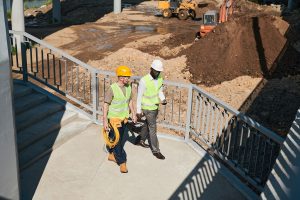
An all new walkway finish isn’t just a repair job. It can transform your entire property. Select decorative overlays, stamped images, or colored finishes to complement the look of your home, whether it is a contemporary beach house or a traditional Florida-style bungalow.
Custom patterns, borders, or stenciled graphics make your walkway your own. By combining your resurfacing with new landscaping, such as native palms or groundcovers, you can really pull the entire front entry together and make that beautiful first impression of welcome.
3. Increase Property Value
Resurfaced walkways are an obvious improvement. When it is time to sell, they can influence buyers by demonstrating care and quality. Permanent overlays and polyurethane coatings that resist the cruelties of Mother Nature make the path look great for years.
Enhanced walkways allow for more efficient use of outdoor space, as buyers envision a low maintenance, immediately accessible yard. Maintain documentation of updates and fixes to provide appraisers or realtors with backing for a higher value.
4. Improve Durability
With premium overlays and sealers, such as polyurethane, concrete is protected from Florida’s sun, salt air, and humidity. The right prep and application, fixing base issues and cracks first, ensure the new surface lasts.
Regular maintenance, including cleaning, resealing, and immediate chip repair, keeps the walkway in top form. Resurfacing doesn’t just conceal old wear and tear; it prevents new issues from emerging and provides many seasons of durable playing without concern.
5. Save Money
Resurface is about one-third the cost of full replacement and offers the same performance and aesthetics. When you address problems early, you prevent those pesky, expensive repair bills.
Because there are many different resurfacing options, owners can select a solution that meets their budget. Low cost and fast turnaround minimize downtime and work disruption, which is a huge benefit for busy families or businesses.
Palm Beach Climate
Palm Beach lies in the humid, rainy, strong-sunlight sub-tropical belt. These are the conditions that influence how concrete walkways age, wear, and require treatment. Winters are mild, ranging from 50°F to 70°F, while summers rise into the 80s and 90s, with over 236 sunny days a year. More than 60 inches of rain falls each year.
Hurricanes, storm surges, and salt air from the Atlantic affect concrete as well. Rising seas and climate change put even more pressure on these walkways, so thoughtful design and regular upkeep are key to durable paths.
Sun Exposure
Direct sunlight in Palm Beach causes concrete to fade and break down over time. UV-resistant coatings are vital. These help slow color loss and surface wear. Many contractors now use acrylic or polyurethane sealers designed for heavy sun to shield walkways.
Performing resurfacing in cooler months, such as late fall or early spring, reduces the risk of rapid drying or cracking. High temperatures can make concrete cure too fast, leading to weak surfaces. Reflective finishes, like light-colored overlays or specialized aggregates, lower surface heat and cut down on thermal stress.
Walkways should be checked seasonally for sun-related damage, such as cracks, discoloration, or surface flaking, and resealed as needed to keep them in top shape.
Salt Air
Palm Beach’s closeness to the ocean means constant salt spray in the air. Salt can rust rebar in concrete and pit surfaces. Opting for corrosion-resistant materials, like Acrylic-coated rebar and marine-grade sealants, goes a long way toward mitigating this risk.
Protective coatings provide an additional barrier and prevent saltwater from imprinting into the walkway. Washing down walkways with fresh water on a consistent basis prevents salt buildup, especially post-storm or during hurricane season.
The closer the boardwalk is to the shore, the more aggressive these steps have to be. For instance, oceanfront properties likely require specialized products and more maintenance than inland locations.
High Humidity
Humidity in Palm Beach often lingers above 70 percent and can contribute to mold, mildew, and surface breakdown. Products engineered to withstand moisture, including vapor barriers and water-resistant sealers, are a must. Adequate drainage is equally crucial.
Paths should incline outward from structures, with trenches or French drains guiding water away from any water accumulations. Routine checks help detect early indications of mold or mildew prior to their expansion.
Breathable coatings prevent water vapor from becoming trapped and peeling or spalling. These techniques are crucial for any homeowner looking to safeguard their investment in such a damp climate.
Resurfacing Choices
Concrete Walkway Resurfacing Palm Beach should satisfy your aesthetic and functional requirements. The weather here is humid and rainy, so remedies must hold up against the elements. Selecting the right resurfacing option is a matter of balancing appearance, durability, and maintenance.
Resurfacing alternatives abound, all of which provide different advantages to area residences and companies. Working with pros can help pair the right technique to your walkway’s age, wear, and exposure.
Stamped Overlays
- Introduce design versatility with the appearance of stone, brick, slate, or tile at a fraction of the price. Stamped overlays provide a tough way to resurface old or cracked concrete without ripping it out.
- Ashlar slate, cobblestone, and flagstone patterns tend to be favorites throughout Palm Beach neighborhoods, mixing well with coastal or Mediterranean-style homes. These overlays can match any palette.
- Textured finishes enhance slip resistance, particularly convenient at wet or poolside locales. This ensures pathways remain secure for both children and adults, even following summer rains.
- Stamped overlays provide both flair and function. Their toughness withstands foot traffic, salt, and the elements. With resealing every few years and rinsing from salt, they can endure for decades.
Stained Concrete
Staining turns boring concrete into a dramatic surface. Acid-based and water-based stains both sink below the surface and form earthy hues or vibrant colors that will not peel or chip.
Select from an array of hues ranging from soft tans and grays to bright greens or blues. Palm Beach homeowners like to choose hues that complement lush landscaping or beachy themes. Honors can be stacked or combined as well.
Staining brings out the natural texture of concrete, including marbling and subtle variations. This effect complements contemporary patios and traditional walkways.
Maintenance for stained concrete is easy and needs to be regular. Reseal once every few years and brush away debris or salt spray. When executed properly, stained walkways can endure 8 to 20 years and beyond.
Cool Deck Coatings
Cool deck coatings employ special materials that reflect sunlight, reducing surface heat. In sun-drenched Palm Beach, these coatings can reduce walkway temperatures by 30 to 50 degrees Fahrenheit, providing a much more enjoyable experience for bare feet.
They’re perfect for pool decks or garden paths. The surface remains cool, even on the hottest days, minimizing discomfort and scald risks.
Numerous color and texture options to complement your current outdoor décor. Common finishes are sand and stone aggregates for additional traction.
Installation is everything. The technicians just have to make sure the coating adheres properly and that the existing concrete is clean and dry. With proper drainage and regular care, cool deck coatings can last for years and will not fade or peel.
The Resurfacing Process
Palm Beach concrete walkway resurfacing requires a meticulous and precise method because of the area’s humid climate, salt exposure, and unique soil conditions. When done correctly, it means knowing the process step-by-step, accounting for local conditions, and trusting experienced professionals to sidestep pitfalls and deliver a result that lasts.
The cost is approximately three to ten dollars per square foot based on project scope and site specifics.
Surface Preparation
First, clean the walkway of any leaves, dust, or oil stains. Power wash for deep cleaning. Salt from the air and sand are common in PB and need to be washed away or they will cause bonding issues later.
Examine the surface for any cracks, spalling, or water damage. Tackling them early is crucial, as neglect can result in overlay meltdown. Dry it as well. Moisture left behind can trap vapor and cause bubbling or peeling after resurfacing.
Look for hidden drainage issues since pooling water can quickly defeat resurfaced concrete.
Repair and Prime
Fill all cracks, holes and uneven areas with a quality patching compound. This step is important for establishing a smooth substrate, particularly in older sidewalks that may have settled or been damaged by roots.
Brush on a concrete primer, but do so infrequently to the primed surface; this helps improve the bond between the old and new. Let all repairs and primer coats dry thoroughly; in humid Palm Beach, this usually equates to more than the minimum manufacturer guidelines.
Remember that cheap patching compounds will cut the life of your resurfacing, so choose them carefully and always use ones rated for exterior, humid conditions.
Overlay Application
Trowel on the selected overlay material in small sections. Whether it be trowels or squeegees, these tools assist in a clean, level finish. Keep an eye on the weather.
Concrete should be poured when temperatures are warm, 50 degrees and above, and dry conditions always assist in curing. That’s why late fall or winter is usually best for Palm Beach projects.
Once applied, allow the overlay to cure without disturbance for the minimum recommended time, then add an extra 24 to 48 hours before opening for foot traffic. This additional patience can avert fractures and shallow blemishes.
Sealing and Curing
Seal the new surface with a breathable, UV-stable sealer to protect from moisture, sun, and stains. Cure, don’t bake. Adhere scrupulously to the product’s curing recommendations since too-fast or too-slow can undermine durability.
They advise homeowners to inspect sealed areas annually and reseal at least every few years, particularly in severe coastal environments. Provide information about resurfacing.
Washing salt and sand off the walkway can extend the life of the surface by years. With correct sealing and maintenance, a resurfaced walkway can last 8 to 20 plus years.
Beyond the Walkway
Concrete resurfacing in Palm Beach well beyond the walkway defines the aesthetic and utility of much of this ground outside. In neighborhoods where sandy soil can eat away at a slab’s base, regular resurfacing shields your investment and helps prevent more extensive repairs down the line.
When you use the same materials and finishes for your walkways, patios, and driveways, it all comes together, giving your home a cohesive appearance that complements the Florida lifestyle. Polyurethane coatings are the preferred choice for strength and ability to withstand sun, salt, and storms. This makes them a savvy selection for any surface in Palm Beach, where the weather shifts quickly.
Resurfacing extends the lifespan of your concrete by 8 to 20 years, increasing its worth and cutting ongoing maintenance costs by nearly 50%. With textures and colors that complement landscaping, outdoor furnishings, and even the pool deck, homeowners can choose to make every area both rugged and inviting.
Below are other areas where resurfacing fits right in:
- Pool decks
- Patios
- Driveways
- Entryways
- Garage floors
- Side yards
- Outdoor steps
- Garden paths
Pool Decks
Pool decks get pummeled in Palm Beach with the sun, rain, and constant splashing water. Resurfacing optimizes safety by applying slip-resistant finishes that reduce slips and falls. These finishes are great for families or anyone that has a lot of pool parties.
Selecting accents such as stamped concrete or colored overlays allows you to coordinate the deck with your landscaping, lighting, or even pool tile. This ties all the outdoor spaces together for a sleek look. Pool deck resurfacing results in a lot less cracks and stains, particularly when resealed every 2 to 3 years.
Patios
A new patio surface can make your entire yard seem like additional living space. Tough coatings stand up to footsteps and the Florida sun. Others opt for finishes that mimic their patio chairs or garden beds for a cohesive vibe.
Polyurethane and acrylic overlays help the patio stand up to both storms and daily use. Custom touches, such as tile effects and bordered edges, stamp your personality on the space. Patios are typically the primary location for grilling or entertaining friends.
This also means that the floor has to be both rugged and simple to mop. The magic of the resurfaced patio is that with the right material, it maintains its good looks with minimal effort.
Driveways
Driveways get a lot of traffic. Resurfacing here isn’t just about curb appeal. It’s a method to ensure the concrete endures automobiles, bicycles, and rain. Polyurethane coatings and premium sealers safeguard against oil stains, tire marks, and salt air.
Stamped designs or color tints can increase a home’s value and stand out from the street. Driveways – periodic inspections and resealing every few years will stave off cracks and fading. Well maintained resurfaced driveways last eight to twenty years.
Homeowners are discovering that a three to ten dollar per square foot investment today equals less repair and better function down the road.
Local Compliance
Concrete Walkway Resurfacing in Palm Beach – Local Compliance There is a set of rules and codes that need to be followed to ensure projects are safe, legal, and long-lasting. Palm Beach County and Florida’s statewide building code come into play, influencing what is permitted for concrete work, measurements, and accessibility. Knowing these requirements, along with the permit needs and local officials to coordinate with, keeps projects on track and avoids expensive errors or delays.
|
Requirement Area |
Key Details |
|---|---|
|
Codes & Standards |
Florida Building Code, Palm Beach County Code, Broward County examples |
|
Accessibility |
FBC Ch. 11: 36-inch min. walkway width, gentle slopes, ramps for elevation changes |
|
Material Strength |
3,000 psi for driveway concrete (Broward), check local code for walkways |
|
Driveway Width |
Min. 12 ft, max. 24 ft at property line (Palm Beach) |
|
Buffer Requirements |
Min. 5 ft from property line for green buffer |
|
Permit Type |
Uniform Building Permit Application (Broward), local building permits, special driveway permit |
|
Documentation |
Submit plans, keep records, document compliance |
County Codes
Palm Beach’s codes control the construction or resurfacing of concrete walkways. They dictate what materials you are allowed to use, such as concrete of specific strength, generally 3,000 psi for driveways, while walkways have similar requirements. They verify that floors withstand weather and pedestrian traffic without cracking or breaking.
Codes govern layout, such as minimum and maximum driveway width, with a minimum of 12 feet and no more than 24 feet at the property line for single driveways. Driveways must be separated from adjacent lots by a green buffer, at least 5 feet from the property line.
Local FL compliance Florida building codes require walkways and accessible routes to be compliant with accessibility standards. Chapter 11 of the Florida Building Code defines a minimum clear width of 36 inches for walkways, gentle slopes, and ramp construction if the path varies in height. They assist in making public and private walkways accessible to everyone, including individuals with disabilities.
Contractors and homeowners must document how they comply with these requirements. The easiest way to stave off fines or project delays is to document compliance and collaborate with contractors that know Palm Beach’s codes well. If you overlook even a minor detail, inspections can hold up your project or prompt additional fees.
Permit Needs
Before resurfacing a walkway, see if your job needs a permit. Bigger projects pretty much always do. All towns in Broward County have the same Uniform Building Permit Application, which is very transparent and good for everyone to be on the same page with regulations. Palm Beach has its own forms, but the idea is the same; sign your papers before you begin to work.
File plans and paperwork with the local building department. Permits typically want you to demonstrate detailed drawings, materials lists, and proof that you will be code compliant. If your walkway connects to a county road, you may require a separate driveway permit from the county’s road division in addition to your building permit.
Stay on top of your permits. Call or check online to ensure your application progress. Retain copies of all permits and inspection outcomes for your records. These documents protect you if there is ever a question about your work’s legality or safety.
Conclusion
To keep a walkway in Palm Beach sharp, go with the local expertise and the proper solution. Salt air, sand and sun take a toll on plain concrete. Resurfacing adds new grip to old walks and makes them last. Choose a resurfacing that can cope with sun and rain. Just be sure you observe city codes and hire a pro who knows the rules! Along with fewer trips and slips, a smooth walkway gives you that ‘fresh’ look that so befits Palm Beach neighborhoods. Like to keep your space secure and tidy! Arrange a chat with our trusted local crew before cracks escalate. Get ahead, save money and maintain your space year-round. Contact us today and show off your new way.
Frequently Asked Questions
Why should I resurface my concrete walkway in Palm Beach?
Resurfacing hides cracks, stains, and wear. It enhances curb appeal and makes your walkway resistant to Palm Beach’s humid, salty air.
How does Palm Beach’s climate affect concrete walkways?
Exposed to the high humidity, salt, and rain in Palm Beach, resurfacing does a great job of shielding your walkway from these local elements.
What are the top choices for walkway resurfacing in Palm Beach?
Among the most popular are stamped concrete overlays, spray texture coatings, and colored finishes. These options weather well in Palm Beach’s conditions and are stylish.
How long does the resurfacing process take?
Other residential walkway resurfacing jobs in Palm Beach take one to two days depending on size and weather.
Can resurfacing help prevent slips on my walkway?
Resurfacing can add slip-resistant textures, perfect for rainy or humid Palm Beach weather.
Do I need permits to resurface my walkway in Palm Beach?
You could need a permit depending on your location and project size. As always, consult with Palm Beach County’s building department prior to beginning work.
How long will a resurfaced walkway last in Palm Beach?
With the right care, a resurfaced walkway can last eight to fifteen years, even in Palm Beach’s tough environment.