- Key Takeaways
- Why Resurface
- Resurfacing Explained
- Palm Beach Challenges
- Beyond the Basics
- Cost Versus Value
- Finding Your Pro
- Conclusion
- Frequently Asked Questions
- What are the benefits of resurfacing a concrete walkway in Palm Beach?
- How does Palm Beach’s climate affect concrete walkway resurfacing?
- How long does concrete walkway resurfacing last in Palm Beach?
- What options are available for concrete walkway finishes in Palm Beach?
- Is resurfacing more cost-effective than replacing a walkway?
- How do I choose a reliable walkway resurfacing contractor in Palm Beach?
- Can cracks and stains be fixed with resurfacing?
Key Takeaways
- Palm Beach concrete walkway resurfacing makes sidewalks safer and improves curb appeal by repairing cracks, leveling uneven surfaces, and applying decorative finishes designed for the area’s aesthetic and climate.
- With Palm Beach’s scorching sun, salt air and humidity, you need something UV resistant and moisture resistant. With premium materials and professional hands at the helm, you can create long-lasting beauty.
- By investing in resurfacing instead of full replacement, your property can reap significant long-term maintenance savings and increased value from its durability and aesthetic appeal.
- Advanced resurfacing options, including drainage integration and eco-friendly materials, address water runoff and sustainability concerns without sacrificing the signature upscale appearance of Palm Beach properties.
- With the right maintenance, cleaning, inspecting, and resealing periodically, resurfaced walkways can continue to captivate throughout the tough coastal environment.
- Hiring a local, experienced contractor is important. Compare quotes, check reviews and make sure the professional knows Palm Beach’s unique environmental challenges and design tastes.
Palm Beach concrete walkway resurfacing refers to the process of repairing worn or damaged walkways with a new surface of concrete or overlay material, often seen in homes and commercial buildings throughout South Florida.
With the humid weather and salty air, walkways tend to chip, stain, or fade quickly. Resurfacing aids in slip prevention, maintains safe walkways, and provides areas with a neat appearance.
Local crews know the right mixes for the climate, and it works for everything from tiny patios to long paths.
Why Resurface
Resurfacing concrete walkways in Palm Beach offers functional and aesthetic advantages for homeowners and property managers. It masterfully balances safety, value and curb appeal while tackling South Florida’s very unique climate challenges.
Checklist: Key Benefits of Resurfacing Walkways:
- Give new life to existing concrete for up to fifteen years.
- Fix cracks, chips, and uneven spots for safer walking.
- Add slip-resistant coatings for wet or humid conditions.
- Create attractive, modern designs with decorative finishes.
- Boost property value and street appeal.
- Save money compared to full replacement.
- Finish projects quickly, with little disruption.
Curb Appeal
A new path transforms the façade of any house. In Palm Beach, where image is everything, a sharp concrete walkway makes a statement. For example, decorative overlays can look like natural stone, brick, or tile, helping you select a style that suits you.
Adding colored concrete enhances the style even further. Soft sand, coral, or slate hues complement tropical palettes, assisting pathways to merge with palms and greensward. Patterns, custom borders, and stamped textures transform simple walkways into signature statements.
Maintaining the finish matters as well. With seasonal sweeping, pressure washing, and resealing, walkways remain polished and radiant for years. This helps your home stay clean and surfaces do not absorb salt, leaves, or rain stains.
Safety First
Trip hazards of cracks or uneven spots on old walkways can be concerning. Here in Palm Beach, rain and humidity are a daily occurrence, and slick concrete can be a real hazard. Slip-resistant coatings help address this by providing a grippy surface even in summer storms.
It’s wise to inspect for new cracks or wear every few months, particularly post-hurricane season. Fix little issues while they’re little, before they get big. It keeps sidewalks safe for kids, seniors, and visitors.
Tossing out advice on where trails are still collapsing or spots that get super greasy keeps us all in the loop. Parents can temporarily designate these with neon tape or outdoor rugs until they get fixed.
Property Value
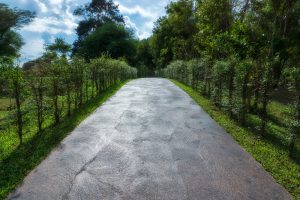
Beautiful resurfacing puts your home at a distinct advantage over the others on the block. Prospective buyers see a maintained walkway, and in Palm Beach, curb appeal is key. Decorative resurfacing demonstrates you care and that you pay attention to the details, and that counts in competitive markets.
As a hard, sleek-looking surface, it’s a selling feature. Buyers understand they won’t be having huge repair bills anytime soon. With prices ranging from $1 to $12 per square foot, resurfacing is an inexpensive enhancement that delivers a strong return at closing.
Durable finishes, properly cleaned and re-sealed on schedule, withstand sun, salt, and storms while maintaining value season after season.
Resurfacing Explained
Concrete walkway resurfacing Palm Beach is a multi-step process that rejuvenates old and tired paths. Rather than ripping up and replacing the entire slab, resurfacing adds a fresh layer or coating that refreshes the walkway’s look, heals minor imperfections, and extends durability. This strategy is popular because it is affordable, with resurfacing running three to seven dollars per square foot, usually forty to sixty percent less than total replacement.
Additionally, resurfacing can extend useful life by as many as twenty years with proper maintenance. The area’s mild winters enable resurfacing nearly year-round, while spring and fall provide the best conditions for curing and adhesion.
1. Surface Preparation
Good prep is the foundation of every winning resurfacing job. The surface should be clear of any debris, dirt, oil, or loose concrete. Pressure washing is typically the initial step, with degreasers occasionally applied to stubborn stains. Once cleaned, the existing slab is inspected for cracks, spalling, or unevenness.
Small cracks get patched with concrete menders, but major structural damage must be repaired before proceeding. Grinding or shot blasting roughs up the surface and provides a profile that allows the new overlay to bond tightly. All steps must pass municipal codes in Palm Beach, keeping the walkway safe, long lasting, and in accordance with local standards.
2. Overlay Options
Palm Beach homeowners have a choice of multiple overlay systems. Stamped overlays utilize rubber mats to stamp either tile or stone designs. Think Florida’s favorite coquina or coral stone! Stained overlays add deep color without obscuring surface texture.
Microtoppings can even out small imperfections. Acrylic overlays are flexible, UV fade resistant, and weather temperature swings well, making them perfect for exterior walkways. Epoxy overlays are highly durable to heavy foot traffic, though they can require additional prep and strict moisture management. Overlay selection impacts maintenance as well, with acrylics typically requiring less upkeep.
All overlays should be inspected as seasons transition.
3. Color and Texture
Colors are chosen to complement Palm Beach’s airy, coastal palette and rich landscaping. Earth tones, sandy beiges, and ocean blues are popular selections. The slab can be broom finished for slip resistance, trowel finished for a smooth appearance, or decoratively stamped to look like slate or wood.
Many contractors utilize sample boards and color charts, allowing owners to preview the combinations before they are applied. Decorative broadcast aggregates, such as crushed shell or colored quartz, can be added to the walkway’s appearance and texture to provide a customized flair that complements the style of the home.
4. Sealing Process
The last phase is sealing the resurfaced path. Good sealers keep out moisture and resist UV rays and fading. Acrylic-based sealers are popular in Palm Beach because they fall somewhere in between durability and clarity.
It is recommended to seal every 2 to 3 years to keep surfaces looking sharp and prolong their life. Sealers cure rapidly in warm weather, typically permitting light foot traffic after 24 to 48 hours. Regular care, such as sweeping and immediate stain cleaning, helps safeguard your investment. The majority of installations are completed in as little as a weekend.
Palm Beach Challenges
Palm Beach’s subtropical climate makes resurfacing concrete walkwayshttps://helenasconcreteresurfacing.com/concrete-walkway-resurfacing-palm-beach-services/
a tricky proposition. Heat, salt air, and high humidity conspire to wear, fade, and crack. Local ordinances, drainage requirements, and safety codes, particularly close to the coast, all influence resurfacing method decisions. Our challenges are unique to South Florida, where daily rains, sun, and coastal winds are a way of life.
|
Environmental Factor |
Impact on Concrete Walkways |
|
|---|---|---|
|
Intense Sun |
Fading, surface cracking, heat absorption |
UV-resistant coatings, color selection |
|
Salt Air |
Corrosion, spalling, surface deterioration |
Durable, salt-resistant materials |
|
High Humidity |
Moisture intrusion, mold, slow curing |
Moisture barriers, proper drainage |
Intense Sun
The sunshine in Palm Beach is incredibly strong. Sunlight gradually breaks down sealants and coatings, resulting in fading and cracking. UV-resistant coatings protect the surface and keep colors from washing out. Among Palm Beach challenges, lighter colors reflect more sun, helping keep walkways cooler for bare feet.
That’s why it’s a smart option for homes and public spaces. Washing down the walkways regularly removes dust and salts that can shorten the life of your finishes. For optimum results, schedule major resurfacing during the cooler months, typically November through March, to allow new materials to set properly and prevent problems from excessive heat or precipitation.
Salt Air
Salt air, blowing in on breezes off the Atlantic, is hard on concrete. Salt can infiltrate through porous surfaces and initiate corrosion, particularly in reinforced concrete. To combat this, apply sealers and coatings designed for coastal environments. Polymer-based products resist salt better than typical mixes.
Choosing overlays with high durability ratings is essential for Broward and Palm Beach counties. Examine surfaces frequently for warning signs of early damage, such as flaking or pitting, and reseal every two or three years. These steps help you comply with strict local safety codes and keep you from having to make expensive repairs. Routine maintenance is not just cosmetic; it’s about staying ahead of weather and salt damage.
High Humidity
Humidity in Palm Beach is crazy almost all year. This results in moisture being trapped in concrete, which can lead to mold, slippery spots, and slow curing when resurfacing. Waterproof coatings are a necessity.
Drainage is equally critical, so surfaces need to be sloped or have French drains installed to prevent water pooling. Do work when it’s not so humid, usually in the winter, so new surfaces settle nicely. Watch weather forecasts and select dry weeks for repairs. Keeping an eye on humidity and planning for it keeps surfaces safe, clean, and long-lasting.
Beyond the Basics
Concrete walkway resurfacing in Palm Beach is so much more than filling in cracks or applying a new top coat. Homeowners and property managers want walkways that are smart, climate-resilient constructions with eye-catching finishes that are perfect for South Florida’s weather and aesthetic.
Some key features include:
- Smart drainage integration for year-round storm protection
- Earthy materials for less impact and more staying power.
- Custom textures and finishes that look like luxury stone for a fraction of the price.
- Slip-resistant coatings, UV-resistant sealers, and color-matched borders.
- Under lighting or accent pavers for pleasant nighttime safety and added curb appeal.
Drainage Integration
Drainage is an important issue in Palm Beach, with seasonal rains and hurricane risk. If you’re resurfacing projects, begin with a little more respect for where the water flows across your property. Sloping the walkway to grade away from structures, typically at 2% or one-quarter inch per foot or more, assists in funneling water off the surface.
Going beyond the basics, installing trench drains, channel grates, or French drains along low areas discourages pooling and mitigates long-term erosion. Concrete alone can weather a heavy rain if placed with appropriate PSI ratings, generally 3000 for walkways, and proper sub-base treatment.
In some cases, soil is removed to a depth of 8 to 10 inches. For best results, find local pros who know Palm Beach drainage codes and can design a system that works with both your walkway and landscape.
Eco-Friendly Materials
Palm Beach property owners are going greener with resurfacing. Incorporating recycled concrete aggregates or fly ash into the concrete mix reduces raw material consumption while increasing strength and durability. Certain local suppliers make mixes that are up to 30% recycled, so they divert potential landfill material.
Sustainable sealers and colorants, typically water-based and low in VOCs, can be sourced locally. These earth-friendly options not only reduce the carbon impact of your venture but extend concrete’s durability in Florida’s humid, blazing summers, where conventional ingredients can degrade due to UV and heat-induced cracking.
Over the course of decades, eco-friendly surfaces can last as long as 40 years with good maintenance, so they’re an investment that pays off for the environment and your wallet.
Mimicking Luxury Stone
Concrete resurfacing isn’t just functional, it can appear upscale. Decorative stamping and staining allow you to mimic the look of travertine, slate or coral stone, a fave of Palm Beach outdoor design. Choose from an extensive selection of patterns and colors to coordinate with adjacent patio or pool deck designs.
With natural pebble inlays or broom finish, you can have a custom, slip resistant surface that feels high end but costs less than real stone. Concrete overlays let you create borders or medallions that give each walkway a unique flair.
Since concrete cures for 24 to 48 hours and reaches maximum strength at 28 days, custom finishes fare well in Palm Beach’s hot, wet climate when properly installed and sealed.
Cost Versus Value
Concrete walkway resurfacing is a balance between the cost and value to the homeowner. Knowing both the dollar figures and the tangible benefits is crucial for any potential buyer deliberating their choices in this area. Local climate, high property values, and demand for curb appeal all factor into the equation, so it is important to consider more than just the upfront price tag.
You have a clear understanding of how resurfacing compares to full replacement and what kind of return and savings you can anticipate.
|
Option |
Cost per Sq Ft |
Avg. Total Cost |
Lifespan |
Time to Complete |
Curb Appeal Impact |
Maintenance |
Value Add |
|---|---|---|---|---|---|---|---|
|
Resurfacing |
$3–$10 |
$600–$13,000 |
10–20 years |
2–4 days |
Moderate–High |
Low |
High |
|
Stamped/Decorative |
$7–$20 |
$2,500–$15,000+ |
10–20 years |
2–5 days |
High |
Low |
High |
|
Replacement |
$8–$18 |
$2,500–$25,000+ |
25+ years |
5–10 days |
High |
Moderate |
High |
Initial Investment
The cost to resurface a concrete walkway typically falls in the range of $3 to $10 per square foot for simple projects. Decorative options, such as stamped designs, increase that to $7 to $20 per square foot. Most Palm Beach homeowners see their entire project bill ranging from $600 to $13,000, averaging around $2,000 for standard residential work.
Materials will typically be 20 percent of that, while labor can vary depending on experience and scope. In comparison, complete replacement of a concrete walkway typically runs $8 to $18 per square foot and can climb to over $25,000 for larger or more complicated sites. Resurfacing can save you thousands upfront, particularly if your underlying slab is still rock solid.
Accounting for material quality and skilled labor is important since both have a strong impact on finish and durability.
Long-Term Savings
Walkways resurfaced tend to require lower maintenance over time. Annual cleaning and resealing cost between $1 and $1.75 a square foot and prevent fading and surface damage. It’s easier and more affordable to maintain than it is to patch or replace cracked slabs.
With proper care, the new surface can last 10 to 20 years, extending your return on investment. Reflective coatings, common in Palm Beach because of heat, help keep surfaces cooler, which can reduce energy use for adjacent air conditioning. Homeowners receive a value bump as houses with new safe sidewalks sell.
Return on Investment
Cost versus value Of course, any good ROI starts with a boost in property value and curb appeal. A nicely finished walkway enhances curb appeal, which is crucial in Palm Beach’s cutthroat real estate market. Functionality improves as well, smoothing out tripping hazards or uneven areas.
The 10 to 20-year life of resurfaced surfaces means you won’t be paying for repairs or replacements anytime soon. According to local market trends, homes with refreshed concrete surfaces tend to sell quicker and at a price closer to the asking, so resurfacing is a smart bet for homeowners wanting to preserve and increase their investment.
Finding Your Pro
Selecting the right specialist for concrete walkway resurfacing in Palm Beach is about more than just locating a name online. This is its own ecosystem of weather patterns, codes and challenges, so you want to tread slow and carefully when searching for a contractor. The right pro can help demystify not only what will work with your local sandy soils and humid climate, but Palm Beach’s notoriously strict municipal codes.
For most of us, the ideal time to schedule your resurfacing is late fall or winter, when the weather remains drier and those surprise rainstorms are less frequent and less likely to interrupt the curing process. These local particulars count when resurfacing walkways that have to endure sizzling summers and pouring rains.
- Verify the contractor’s license and insurance. Trustworthy contractors provide evidence and this safeguards you from liability or incomplete projects. Palm Beach licensed professionals are aware of the local codes and can assist you in staying in compliance with neighborhood or HOA rules.
- Request a written quote that itemizes costs, including labor, materials, and additional fees. In this area, you can anticipate a cost of anywhere from $3 to $10 a square foot, based on materials, surface condition, and design decisions. Grab a minimum of three quotes to compare services and identify outliers.
- Go online and check reviews and testimonials. Get some local references. Seek reviews regarding quality, timeliness, and communication. A quality contractor will have recent work they’ve completed in Palm Beach demonstrating their knowledge of how the heat and humidity affect the application.
- Talk through your requirements with each contractor. Discuss slip resistance, color options, maintenance, and resealing frequency. In high-traffic or exposed locations, resealing every 2 to 3 years is ideal for maintaining a robust finish.
- Ensure contractors account for proper curing time. In humid climates, such as in Palm Beach, everything requires 24 to 48 hours or more to cure before you can use it. Missing this step can reduce the lifespan of your walkway.
- Some homeowners like to work with the town or county directly for advice or employ a pro who’s already familiar with the local codes. It can save you from expensive errors or fines later on.
A true Palm Beach-quality resurfacing job can last between 8 and 20 years and beyond only if you plan for the local conditions and select a pro who seals every stage, from prep to finish.
Conclusion
When you want to keep your walkway in Palm Beach looking sharp, resurfacing really is the difference. Salt air, summer heat, and heavy rains beat up on plain concrete really fast in our neck of the woods. A quality resurfacing treatment prevents cracks and chips, increases traction, and allows residents to select a color or pattern that suits the location. Only a pro knows the right mix for the local weather and spots problems before they begin. Neighbors notice the curb appeal boost immediately. Prices remain reasonable, and the workmanship stands the test of time even with all that foot traffic and Florida storms. Is your walkway giving you problems? Contact a local team that understands Palm Beach. Begin anew and watch your walkway gleam once again.
Frequently Asked Questions
What are the benefits of resurfacing a concrete walkway in Palm Beach?
Resurfacing can elongate your walkway’s lifespan, increase curb appeal, and repair cracks or marks. It’s cheaper and less invasive than replacing the entire walkway.
How does Palm Beach’s climate affect concrete walkway resurfacing?
Palm Beach’s heat, humidity, and coastal salt can take a toll on concrete. Resurfacing shields your walkway from moisture and sun damage in South Florida.
How long does concrete walkway resurfacing last in Palm Beach?
If properly maintained, Palm Beach resurfaced walkways should last 8 to 15 years. The frequent cleaning and sealing keep it strong in our local climate.
What options are available for concrete walkway finishes in Palm Beach?
Stamped concrete, textured overlays and colored finishes are among some of the most popular options. Many homeowners choose designs that fit with Florida’s coastal atmosphere.
Is resurfacing more cost-effective than replacing a walkway?
Yep, resurfacing tends to be more affordable than complete replacement. It is a labor, materials, and time saver yet refreshes your walkway’s appearance.
How do I choose a reliable walkway resurfacing contractor in Palm Beach?
Find licensed, insured, and local experts with experience. Be sure to check reviews and request recent project photos. Local experience is key for Palm Beach conditions.
Can cracks and stains be fixed with resurfacing?
Indeed, resurfacing covers most cracks and stains. It provides your walkway with a new, clean look and protects it from further harm.