- Key Takeaways
- Why Resurface?
- Palm Beach’s Climate
- The Resurfacing Method
- Best Local Materials
- Beyond The Walkway
- Local Regulations
- Conclusion
- Frequently Asked Questions
- What are the benefits of resurfacing a concrete walkway in Palm Beach?
- How does Palm Beach’s weather affect concrete walkways?
- Which materials work best for walkway resurfacing in Palm Beach?
- How long does concrete walkway resurfacing last in Palm Beach?
- Are permits required to resurface a concrete walkway in Palm Beach?
- Can decorative finishes be added during resurfacing?
- Is resurfacing better than replacing a walkway in Palm Beach?
Key Takeaways
- YOUR CONCRETE WALKWAY RESURFACING PALM BEACH, FLORIDA Curbed walkways add to the curb appeal, safety, and value of your property and are a dramatic money saver over replacement.
- Selecting the appropriate resurfacing materials and methods is critical for managing Palm Beach’s scorching sun, elevated humidity, salt air, and sandy soil that affect concrete longevity and upkeep.
- From surface preparation and crack treatment to primer bonding, overlay application, and sealing, we cover every step of the resurfacing process to guarantee a long-lasting attractive result.
- Local overlay choices like acrylic, epoxy, stamped concrete, and cool decking offer a variety of finishes, durability, and comfort for South Florida properties.
- We don’t just resurface walkways. We resurface pool decks, patios, driveways, and entryways, tying together safe outdoor spaces throughout your property.
- You’ll need to comply with Palm Beach County regulations, permit necessities, and HOA guidelines for your resurfacing project to go well and be up to local code.
Concrete walkway resurfacing palm beach repairs your worn or cracked walkways with a new smooth surface that resists Florida’s heat, rain, and salt air. Homeowners and property managers turn to resurfacing to maintain safe, neat walkways without the expense of full replacement.
Almost all local contractors apply slip-resistant coatings and UV-stable finishes for durability. To discover what works for Palm Beach homes, the main body spills the beans on options.
Why Resurface?
Palm Beach concrete walkways endure their own special kind of abuse. Brilliant sun, salt air, and unexpected showers all accelerate the degradation process. These things, over time, cause cracks, uneven surfaces, color fade, and standing water.
Resurfacing is a convenient means to address these concerns without the inconvenience and expense of a complete replacement. It is functional and beautiful, and it brings safety and value to your home.
- Revitalizes your walkway’s appearance, giving it an updated, appealing vibe.
- Evens out rough spots and cracks, which reduces trips.
- Cuts costs by avoiding full replacement—save up to 75%.
- Adds value to your home by increasing curb appeal and showing concern.
- Prolongs the life of your walkway against damage.
Boost Curb Appeal
When you resurface, it revives your walkway, making it an attractive feature of your house rather than a detractor. With decorative finishes from stone stamped concrete to smooth overlays, you can complement your walkway to your style or the neighborhood.
Palm Beach houses are known for their landscaping and diverse architecture, so you can choose hues and textures that complement your yard or home’s outer shell. There’s something about a new surface crafted by talented artisans that pops, greets visitors, and makes a memorable entrance.
Enhance Safety
Walkways deteriorate as Florida’s heat, rain, and shifting soil leads slabs to sink or crack. These rutted areas turn into tripping hazards, particularly for small children or the elderly.
Why resurface? Resurfacing adds textured overlays for additional grip, even in wet conditions, which reduces slips. It’s all about good drainage in Palm Beach. Resurfacing can repair those low spots where puddles form, keeping your paths dry.
Meeting basic safety codes for walkways is simpler post-resurfacing, ensuring your property is prepped for everyday use.
Save Money
|
Option |
Avg. Cost per Sq. Ft. |
Total Cost (200 sq. ft.) |
|---|---|---|
|
Resurfacing |
$3–$7 |
$600–$1,400 |
|
Full Replacement |
$8–$15 |
$1,600–$3,000 |
Resurfacing isn’t just cheaper up front, it reduces maintenance costs. Why Resurface? A new, sealed surface fares better against Palm Beach’s weather, so you’ll patch cracks and stains less frequently.
Budget-friendly options are available regardless of your budget, and some contractors provide payment plans or financing. By repairing what you already have, you retain more capital for other ventures.
Increase Value
A nice, cared for walkway makes your home shine in Palm Beach’s hot market. They’re looking for buyers and buyers want homes that appear cared for, beginning at the curb.
Long-lasting resurfacing proves you’ve invested in good materials and stayed on top of maintenance. That level of detail can make your home stand out and sell quicker or for more.
Palm Beach’s Climate
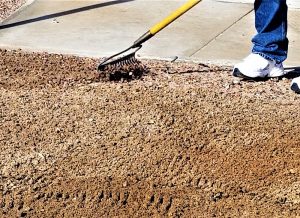
Palm Beach climate presents a special combination of elements that define the fate of concrete walkways, from piercing sun rays to salty sea air and ever changing sandy soil. High heat and humidity are the norm year-round, with pavement measuring 158°F. These elements accelerate wear, strain, and deterioration on concrete, emphasizing the importance of using appropriate steps and materials when resurfacing and maintaining it.
Intense Sun
The direct sun in Palm Beach is harsh and prolonged most days, resulting in fading, cracking and breakdown of surfaces. Coating with sun-blocks such as acrylic sealers or UV-stable epoxies protects walkways from UV rays and maintains color and texture fresh. Heat-reflective surface finishes reduce heat absorption, which keeps the walkway cooler and less susceptible to cracking.
It’s best to resurface during the cooler months or early morning when the heat is lower and the materials set right. Regular maintenance, such as power washing and resealing, assists in decelerating degradation caused by the heat of the sun, particularly in vulnerable, unshaded areas.
Salt Air
Salt air from the ocean, blown by the wind, deposits itself on outdoor surfaces and accelerates corrosion. Selecting materials designed to withstand salt, like concrete mixes with corrosion inhibitors or high-density overlays, minimizes damage. These little things, like hosing down walkways with fresh water, prevent salt accumulation from eroding the concrete.
Protective sealants prevent salt and moisture penetration. Walkways should be inspected occasionally for pitting, cracking, or areas where the surface feels rougher, as these are indications of salt damage.
High Humidity
Palm Beach’s humidity remains high, which can translate to mold, mildew, and slippery surfaces. Utilizing moisture-resistant products such as polymer-modified overlays prevents mold and maintains safer walkways. When resurfacing, try to schedule for dry periods so the new layer has time to cure without excessive humidity.
Especially for outdoor spaces, allowing air flow prevents humidity from accumulating and molding. Inspect for water stains, black patches, or areas that feel spongy or slippery, and repair them before they become serious.
Sandy Soil
Palm Beach’s sandy soil is conducive to shifting or settling walkways. Testing the soil prior to any resurfacing project lets us find those weak spots. Installing drains or channels diverts water and prevents it from eroding the base of the walkway.
Anchoring the foundation with crushed gravel or mesh provides additional strength to aging surfaces. Local experts can advise which materials, such as fiber-reinforced concrete, are best suited for sandy sites and torrential downpours.
The Resurfacing Method
We take a no-nonsense, step-by-step approach to concrete walkway resurfacing in Palm Beach, saving you both time and money while creating an extremely durable finish. This method is popular due to its low cost and quick turnaround.
It works particularly well in the region’s subtropical climate where sun, rain, and salt are omnipresent. Every step of the process, from power washing to clear sealing, caters to the specific demands of Palm Beach walkways, optimizing beauty, slip resistance, and durability.
1. Surface Preparation
Purging is first and essential. Workers utilize pressure washers to strip away dirt, mold, and old sealers. Anything that can interfere with a strong bond between old and new must be removed.
Any oil spots or salt deposits, which are frequent occurrences in Palm Beach from air and lawn treatments, have to be scrubbed or chemically cleaned. Any major cracks or surface damage are patched with commercial-grade repair mortars.
Smoothing out the surface matters. Uneven slabs or raised edges that frequently cause tripping can be ground or filled. Once cleaned, the surface should dry completely, as any moisture that is trapped will cause future delamination or mold growth.
Drying is seasonal and is usually quicker in late fall or winter when humidity is lower.
2. Crack Treatment
Catching cracks early saves money and time. The majority of cracks in Palm Beach walkways originate from shifting soils or tree roots. Flexible fillers, like polyurethane-based compounds, are utilized because they expand and contract with temperature.
This prevents fissures from reopening. We photograph every crack before we treat it, which helps us see patterns and detect repeat offenders. After filling, check if the patch sits flush with the surrounding surface.
Any bumps should be sanded away before proceeding.
3. Primer Bonding
Next, a bonding primer is applied. Select one designed for the particular overlay system. Acrylic primers perform nicely in humid climates such as Palm Beach.
Paint with a roller or sprayer and allow to dry, typically 30 minutes to an hour, depending on weather above 50°F. Check to be sure it is evenly applied because voids can cause delamination down the road.
Go on to overlays only when the primer is tacky, not wet.
4. Overlay Application
Picking the right overlay is important. Polymer-modified overlays are a crowd favorite because they survive the sun, rain, and shuffle. Stir and spread as per maker guidelines, with trowels or squeegees for smoothness.
I work in small portions, roughly 15 minutes per cup, to keep from having it cure in the heat. For Palm Beach’s climate, overlays cure faster but still allow 24 hours prior to heavy use.
5. Sealing and Curing
The best sealer protects against these things and moisture, stains, and salt intrusion. Use once the overlay is cured, typically 1-3 days depending on weather and concrete age.
Appropriate curing boosts walkway durability and longevity. Reseal every few years and rinse walkways frequently to remove salt, particularly after storms.
Walkways constructed in this manner stand the test of time and maintain a crisp appearance indefinitely.
Best Local Materials
Selecting the appropriate materials for Palm Beach concrete walkway resurfacing comes down to local climate, sustainability and building codes. They have to withstand high heat, humidity and those notorious downpours. Locally sourced products not only support the environment but tend to exceed regional standards for ruggedness.
The following table compares popular overlay choices and their primary advantages:
|
Overlay Type |
Main Benefits |
Best Use Case |
|---|---|---|
|
Acrylic Overlays |
Fast install, UV resistant, durable |
Decorative, high-sun areas |
|
Epoxy Coatings |
Tough, chemical resistant, low upkeep |
High-traffic, harsh conditions |
|
Stamped Concrete |
Custom look, slip resistance |
Mimics stone, design flexibility |
|
Cool Decking |
Low heat, barefoot comfort |
Pool decks, sunny walkways |
Acrylic Overlays
Acrylic overlays work great for Palm Beach because they don’t fade in the UV or get those nasty color stains. They’re versatile so you can choose from a wide variety of colors and textures. Custom stencils and stains allow you to complement or contrast with any outdoor decor.
Fast cure times lead to less downtime for high traffic zones. With acrylic, heat and humidity virtually never pose a problem. These overlays have moisture-sealing and mildew-blocking sealants.
Cleaning is simple: sweep and rinse with water. Most just require resealing every couple of years. Acrylic overlays add traction, keeping walkways safer in summer storms.
Epoxy Coatings
Epoxy coatings are a solid choice for walkways with heavy foot traffic or that require a rugged barrier against Florida’s unforgiving weather. They are renowned for standing up to chemicals, stains, and scuffs, making them a clever option for commercial spaces or entryways.
Epoxy is available in a wide color palette, in addition to matte or glossy finishes. This series allows you to coordinate the surface to your look or brand. Maintenance is easy: mop or hose off dirt.
A number of Palm Beach professionals suggest epoxy for its extended life and minimum maintenance requirements. Consult your contractor to select the ideal formula for your climate and building code.
Stamped Concrete
Most local materials patterns can replicate brick, stone, or tile. The slip-resistant finish is great for wet weather safety. Stamped overlays are made from the finest local materials, so they withstand sun and rain.
Stamped concrete installation is time-consuming. From prepping the old slab to pouring the overlay, stamping, and sealing, the majority of projects complete within a few days. Drying times are weather dependent.
Stamped surfaces endure when sealed properly and inspected annually for cracks or wear.
Cool Decking
Cool decking is made for places like hot, sunny Palm Beach. It employs heat-reflective materials, so walkway surfaces remain significantly cooler to the touch. This is perfect near pools or patios where toes walk around barefoot.
We can select various textures and colors, and the surface maintains a great grip when wet. Installation is fast, and professional preparation and sealing are essential for optimal results.
With periodic cleaning and resealing every few years, the surface remains safe, looks new, and meets local code.
Beyond The Walkway
On top of walkways, concrete resurfacing in Palm Beach goes all the way, providing both functional enhancements and aesthetic cohesion throughout outdoor areas. Local factors such as sandy soil and seasonal rains can deteriorate concrete, so looking beyond the walkway for wider use means safety and style for the entire property!
- Pool decks
- Patios
- Driveways
- Entryways
Pool Decks
Resurfacing a pool deck is about more than just a new look. That’s why the proper finish is slip resistant, a major key for pool areas that attract lots of wet feet. Slip-resistant coatings protect pool-goers and reduce liabilities, particularly in areas where grade changes exceeding one-fourth inch can cause tripping.
Stylistic accents, such as colored concrete or textured overlays, allow you to coordinate the deck with your pool’s aesthetic or develop a visual connection to the rest of your lawn. With local weather in mind, consistent upkeep ensures pool decks stay in tip-top shape, particularly after torrential storms that can lead to cracked or shifting decks.
Patios
A decorative overlay can transform a tired patio into a hospitality haven. In Florida, it’s not just what’s on top; it’s what’s underneath. The moisture, sun, and sandy soil can eat away at a weak surface quickly.
Concrete overlays made for the climate endure rain, sun, and even the occasional cold snap. If you’re looking for that personal touch, finishes are available in different colors, shapes, and stamped designs. Drainage is essential for patios, with sloped surfaces or French drains preventing water from pooling and base erosion.
Driveways
Driveway resurfacing isn’t only cosmetic. It protects against cracking, water pooling and car traffic damage. They must support weight; opt for mixes meant for cars. Almost half of Palm Beach driveways have standing water after a rain, so it’s wise to install drainage options to prevent the pooling from coming in contact with the concrete and causing problems.
On a schedule for resealing every couple of years, driveway pavers are protected against fading and surface wear, which helps them stand strong and look sharp for a longer time.
Entryways
Entryways make the first impression. Resurfacing here allows you to seamlessly blend colors and textures with your home’s exterior, welcoming guests even before they enter. Slip-resistant coatings are a clever fall deterrent, especially on rainy days and around flowerbeds.
Routine inspection and maintenance will have your entrance looking its best, and quick repair for cracks or lifted areas prevents tripping hazards and keeps that welcome mat appealing.
Local Regulations
For example, Palm Beach concrete walkway resurfacing has a comprehensive list of local regulations, stringent permit requirements and frequently additional demands from HOAs. Palm Beach County adheres to Florida’s construction standards, while local codes and neighborhood rules provide additional layers. Each step, from planning to final approval, requires careful navigation to prevent delays or expensive errors.
- Permit required for most concrete, paving, or decorative work.
- Zoning checks needed for residential and commercial projects.
- County Public Works approval for driveways that connect to public roads.
- Must comply with FDOT driveway design standards in Palm Beach County.
- HOA approval if property is under a homeowners association.
- Notice of Commencement must be filed for work exceeding $5,000.
- County will check that no septic fields are under the proposed work area.
- Local regulations may change project requirements with little notice.
Permit Needs
Palm Beach County generally requires permits for resurfacing any walkway, driveway, or patio. This includes new concrete, stamped finishes, and decorative pavers. Homes and commercial properties encounter virtually the same paperwork, except that commercial jobs might require additional reviews. Supporting documents are a site plan, ownership, and information on materials and drainage.
Other projects, like those that connect to county-maintained roads, require approval from the County’s division of public works. The county will inspect for septic tanks or drain fields beneath the proposed site. Homeowners should plan for permit fees, which are determined by the size and value of the project.
For example, here in Broward County, a Notice of Commencement must be filed for any job over $5,000. For decorative purposes in Miami-Dade, a Construction Covenant with the county is necessary.
Cost planning issues arise as permit fees and extra steps can cost time and money to a project. Every city or county might tweak the rules, so you should always review the newest codes before you begin.
HOA Rules
If you’re part of a homeowners association, review their regulations prior to scheduling any concrete work. A number of HOAs have stringent regulations regarding alterations to walkways, driveways, and patios. These regulations can impose restrictions on permissible colors, finishes, and even varieties of concrete.
This normally involves submitting your plans and obtaining written approval. Overlooking HOA rules can result in fines or removal of new work. You want your house to fit the community’s look and abide by any neighborhood standards.
Some associations will want to see samples or preapprove contractors before work begins. If you are having trouble, open communication with the HOA can go a long way toward avoiding problems.
In certain Palm Beach neighborhoods, HOAs conduct weekly meetings to vet external projects. Residents are advised to attend and clarify questions prior to investing in permits or materials.
Conclusion
When it comes to sprucing up old walkways in Palm Beach, resurfacing is savvy. Our local sun, rain, and salty air will tear up concrete quick, but a nice resurface job can take it. Crews who know the local code and use hardy South Florida mixes deliver long-lasting results. Incorporating slip-resistant finishes helps keep everyone safe during the wet months. New looking ups the curb appeal, as well, so the entire place seems new. Much like many tropical homes by the sea, lighter hues help combat heat and stains and it works great here. For homeowners seeking low-maintenance with durability, resurfacing is a no-brainer. Have a walkway that needs a lift? Call a Palm Beach pro and watch your space sparkle.
Frequently Asked Questions
What are the benefits of resurfacing a concrete walkway in Palm Beach?
Resurfacing brings back the beauty, safety, and longevity to your walkway. It’s economical and perfect for Palm Beach’s sunny, humid weather.
How does Palm Beach’s weather affect concrete walkways?
Palm Beach’s heat, sun, and rain crack concrete and fade it. Resurfacing can help protect against weather damage and keeps walkways looking fresh.
Which materials work best for walkway resurfacing in Palm Beach?
Acrylic-based overlays and polymer modified concrete, in particular, are perfect. They withstand moisture, UV rays, and salt, so they are ideal for South Florida’s climate.
How long does concrete walkway resurfacing last in Palm Beach?
If maintained, resurfaced walkways have a lifespan of 10 to 15 years. Good materials and good craftsmanship are crucial in our local climate.
Are permits required to resurface a concrete walkway in Palm Beach?
Yes, permits are needed in most cities within Palm Beach County. Consult your local building department before beginning.
Can decorative finishes be added during resurfacing?
No way! You can incorporate color, texture, and even stamped patterns to match the style of your home and increase curb appeal.
Is resurfacing better than replacing a walkway in Palm Beach?
If the foundation is solid, resurfacing is quicker, more cost effective and less disruptive than replacement. This method is perfect for the majority of worn or faded walkways.