- Key Takeaways
- Why Resurface?
- Boca-Proof Materials
- The Resurfacing Process
- Beyond The Surface
- Local Regulations
- The Saltwater Factor
- Conclusion
- Frequently Asked Questions
- What are the main benefits of pool deck resurfacing in Boca Raton?
- Which materials work best for Boca Raton pool decks?
- How long does pool deck resurfacing usually take?
- Do I need a permit for pool deck resurfacing in Boca Raton?
- How does saltwater affect my pool deck?
- How soon can I use my pool after resurfacing?
- Is resurfacing more affordable than replacing my pool deck?
Key Takeaways
- In addition to making your pool area safer and more slip-resistant, pool deck resurfacing in Boca Raton combats the damage caused by Florida’s intense sun and heavy rain showers.
- By choosing travertine, shellstone, or stamped concrete and acrylic coatings, we provide Boca Raton pool decks that are durable, slip resistant, and easy to maintain in the coastal climate.
- With the right surface preparation, materials, and sealing, your pool deck can last much longer and endure sun, saltwater, and storm exposure!
- Setting up drainage solutions and keeping coping intact help prevent water buildup and structural problems that are prevalent in our humid region.
- Staying compliant with Boca Raton’s building codes and securing the right permits guarantees your project satisfies safety standards and does not incur expensive hold-ups or fines.
- These regular inspections and maintenance, particularly for saltwater pools, keep your deck looking and performing at its best, safeguarding your investment for years to come.
Pool deck resurfacing boca raton means repairing weathered, cracked, or faded concrete or paver decks around pools. Most homes in this seaport city utilize textured coatings or cool deck paint to maintain the surface heat and slip resistant.
Sun and rain in South Florida will eat up old finishes quickly. New finishes or overlays are applied to keep decks bright and strong.
Next, discover how local crews approach every phase.
Why Resurface?
Pool deck resurfacing in Boca Raton isn’t just a beauty patch. This process takes care of safety and value and gets your home ready for Florida’s weather and enhances your outdoor living area. The special climate here—scorching sun, pouring rain and hurricane risk—makes regular maintenance and timely upgrades a necessity for any pool deck.
Safety First
A pool deck can become dangerous when it ages. Cracks, chipped spots, or worn-out texture cause slips and falls. Applying wet area non-slip coatings decreases the likelihood of a slip and fall. These finishes are a perfect match to Boca’s humid climate and are pool-side safety tested.
Fixing bumps and cracks prevents water from leaking in and creating invisible destruction. Nonstop sun and rain in South Florida can eat away at concrete and tiles quickly, so selecting a coat designed to fight UV rays counts. Certain materials are more durable because they won’t blister or peel under intense sunlight, necessitating fewer repairs down the road.
Safety is peace of mind as well. With a silky, sturdy deck, let the kids romp around and entertain your guests with flip-flop-free strolls. Resurfacing promptly prevents small problems from becoming large dangers and ensures your pool is safe and functional throughout the year.
Property Value
Good stuff, it enhances your curb appeal and it works. Throwing in some color or texture with resurfacing gives you a custom look without an entire replacement. This makes your backyard more enticing and makes your home pop if you’re in the market to sell.
Taking care is important. Regular washing and sealing might extend your new deck for 10 to 15 years. Resurfacing is an economical enhancement that preserves your asset and generates a robust return upon re-sale in Boca’s booming real estate market.
| Material | Cost (per sq ft) | Pros | Cons |
|---|---|---|---|
| Concrete Overlay | $3–$7 | Durable, customizable, non-slip | Needs sealing, can crack |
| Pavers | $6–$10 | Stylish, replace single units | Can shift, higher install cost |
| Stamped Concrete | $8–$12 | Many designs, smooth finish | Slippery if not sealed |
| Tile | $10–$15 | High-end look, easy to clean | Expensive, grout maintenance |
Hurricane Prep
- Inspect your pool deck for loose tiles or pavers.
- Check and clear all drainage to avoid water pooling.
- Choose coatings that resist water and wind damage.
- Secure outdoor furniture and fixtures before storms.
Drainage is crucial during hurricane season. Without it, water collects, resulting in cracks or even deck collapse. Strengthening the deck’s skeleton and surface allows it to withstand the strong winds and floods that are common in Boca Raton.
It’s not just code compliance; it’s what makes your upgrades STORMPROOF. Why Resurface? Deliberate homeowners get less warpage and more deck life.
Boca-Proof Materials
Pool deck Boca Raton resurfacing is about more than a fresh appearance. Between our brutal sunshine, salty air and torrential downpours, our city’s decking takes a beating all year long. They have to pass safety standards, be sun fade resistant, mold resistant and slip resistant.
Durability and low maintenance are essential, particularly with saltwater and tropical storms. Selecting finishes and textures appropriate for your home’s style is crucial. Most people are attracted to something that will last for decades with minimal effort, like resealing every two to three years.
1. Travertine Pavers
Travertine pavers are an all-time favorite for luxury pool decks throughout Boca Raton. There’s something about natural stone that has a timeless, sophisticated appeal. The material stays cool in the sun, so even bare feet remain happy on the deck during the dog days of summer.
Travertine’s porous surface makes it less slippery when wet, keeping everyone safe around the pool. You can pick from a wide palette: ivory, walnut, gold, and silver blends, in both tumbled and honed finishes. Patterns such as French pattern or running bond allow for custom layouts.
2. Acrylic Coatings
Acrylic coatings lay a seamless shield on concrete, building a waterproof barrier that resists Florida’s humidity and heavy downpours. Boca-Proof Materials: These coatings come in a range of colors and textures, from smooth to spray, providing a simple solution to coordinate your pool area’s appearance.
Cleanup is easy, too. Typically, a gentle detergent and water do the trick, and the surface repels leaves, sunscreen, or pool chemicals from staining. Premium acrylics are designed to withstand UV fading and are less prone to cracking or peeling over time, making them a low-maintenance favorite.
3. Stamped Concrete
Stamped concrete transforms plain slabs into snappy surfaces that resemble flagstone, brick, or slate. Patterns are embossed during installation, and colors are infused to simulate natural materials or create striking, bespoke styles.
This alternative is typically more cost effective than natural stone and is just as strong, particularly when sealed routinely. Mold and mildew resistance is integrated, and touch-ups are easy. Stamped concrete weathers Boca Raton’s frequent storms with very little maintenance.
4. Shellstone Pavers
Boca-Proof Materials Shellstone’s blend of shell fragments and limestone brings a coastal charm. It’s slip-resistant and inherently textured, so you don’t slip after rain or by saltwater pools. Shellstone’s light colors reflect heat, making the surface cooler underfoot.
Boasting a variety of sizes and shapes, shellstone complements both contemporary and classic homes. When sealed, it holds up to heavy rain and sun, lasting for years without major wear in appearance.
5. Rubber Surfacing
Rubber surfacing is a great family option, providing a desirable soft, sponge-like sensation beneath your feet while staving off accidents. It’s flexible enough for unusual shapes and pool layouts and available in a variety of colors and designs.
Quick to install, its surface is fade and mold resistant. Rubber remains cool to the touch even in direct sun, which makes it very kid friendly. Maintenance is a breeze; a simple once-in-a-while cleaning keeps it looking like new.
The Resurfacing Process
Pool deck resurfacing in Boca Raton requires diligent attention to detail. With high humidity, blazing sun, and heavy rains, they break down faster than anywhere else. It has to work around those things to make a safe deck that lasts. Below is an outline of the typical steps, each tailored for local needs:
- Inspect the deck for damage, stains, and worn areas.
- Wash and degloss the surface to eliminate all dirt and stains.
- Repair cracks, chips, and any hidden defects that may compromise the finish.
- Install your selected material with methods appropriate for your climate and deck.
- Seal and cure it to lock in durability and protect it from the sun and water.
Deck Inspection
The examination begins by searching for obvious issues, such as cracks, discoloration, or flaking. Even tiny imperfections allow moisture in, which causes problems down the road. Every inch of the deck is inspected, particularly by pool edges or drains, where water puddles.
Occasionally, color changes will reveal more serious issues, such as rust or water damage. Structural checks ensure that nothing shifts beneath your feet, which is crucial for safety. Discoveries are documented with notes and images, so the fix-it team knows exactly what to repair.
This step prepares the remainder of the smoother and makes the resurfacing last.
Surface Preparation
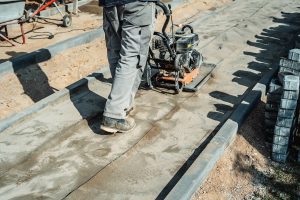
Of course, all loose debris, dirt, and old sealant is cleared away, usually with pressure washing or, for improved dust control, a blasting method. In Boca Raton, this step is extra crucial because mold and algae can set in quickly with the moist air.
Any damage, cracks, or chips are patched with material-specific fillers. The surface needs to be dry and clean because moisture underneath will destroy the finish. We have prep guides for most products.
You want to observe these so the new layer adheres nicely and remains for years.
Material Application
When it comes to resurfacing, there are tons of options — acrylic coatings, stamped concrete, textured finishes, to name a few popular ones in South Florida. Both have their advantages, with textured selections being slip resistant and cool underfoot even on warm days.
The application is smooth and systematic, with each section inspected for bubbles or transparency. Several coats may be required, depending on the material and the desired appearance. Weather is a huge factor, and high humidity or rain can make a mess of drying times, so work is typically planned when the forecast looks dry.
Drying times can run 24 hours for light foot traffic, but full use requires 3 to 5 days.
Sealing and Curing
Sealing preserves the deck against water, sun, and pool chemicals. The correct sealant blocks UV rays, resists stains, and extends the life of the deck for 10 to 15 years or longer.
Curing is just as key; rushing this step results in the surface remaining soft or becoming damaged. All of them have a different curing time, but you shouldn’t use most decks until it is set.
Annual or as-needed inspections and resealing maintain the deck’s safety and aesthetics. Good drainage and slip resistance are always verified before the job is deemed complete.
Beyond The Surface
Boca Raton pool deck resurfacing is more than just repairing worn-out surfaces. It means considering long-term wear, safety, and the appearance of your outdoor areas. Our local climate, with all that sunshine and salt air, can be ruthless on pool decks, so periodic inspection and renovations are a wise investment.
With the appropriate equipment and attention to detail, you can maintain your poolside haven safe and sumptuous 365 days a year.
Coping Integrity
Coping is the edging around the pool that separates the deck from the water. In Boca Raton, the heat, storms, and salty air make it imperative to check the coping frequently. Check for cracks, loosened pieces, or where water may get behind the coping.
These little indications, if left unfixed, can translate into much bigger problems such as leaks or shifting deck slabs. Selecting the appropriate materials will have a significant impact. Marble and travertine are favorites for their durability and natural aesthetic.
Brick pavers and limestone are fashionable, both providing nice grip and resistance to pool chemicals. Most people opt for acrylic overlays because they’re durable and low maintenance, with some lasting decades with proper care.
Pounce on confusion. Even a tiny chip or joint can allow water to seep, washing away the sub-base and increasing the chance of expensive repairs. Resealing is key. Plan on resealing coping and deck surfaces every 2 to 3 years.
This preserves the integrity of the structure and maintains a sharp appearance. For style, coping is your opportunity to add panache. Pick a bullnose edge for a timeless appeal or a square edge for a contemporary flair.
Choose from color and shape options so you can complement the deck with your home’s style.
Drainage Solutions
- Trench drains channel water away from the deck edge.
- Channel drains for wide or flat deck layouts.
- French drains for sub-surface water control.
- Slot drains for minimal visual impact.
- Deck sloping (minimum 1/4 inch per foot) toward drains.
- Permeable pavers to allow water through the surface.
Correct grading is the initial action. The deck must fall a little away from the pool to take water to drains. Bad grading causes puddles that can discolor or erode the surface.
Inspect drainage swales frequently, particularly following storms. Blocked drains or shifted pavers can trap water and cause damage. A quick inspection can save you some bigger headaches down the road.
Color and Texture
Choose colors and textures that complement your home and plants. Soft earth tones like beige or gray mix nicely with South Florida homes, while brighter colors give a bold pop. Textured finishes such as broom or stamped concrete provide a little extra traction and prevent these surfaces from becoming slick when wet.
Experiment with finishes to bring dimension. Salt finishes, exposed aggregate or tile inlays can help interrupt blank surfaces and make your space pop! Trends evolve, so it’s worth seeking out new patterns or color inspiration every couple of years.
Color is not just about appearance. Light colors, like sand or off-white, reflect sunlight and help make the deck cooler during hot days. Darker colors can heat up considerably, which is a poor choice for warm, bare feet in Boca Raton!
Keep on top of new materials or design trends by reading about them. Today’s homeowners prefer a mix of textures, such as smooth coping with rough deck surfaces for comfort and style.
Local Regulations
Pool deck resurfacing in Boca Raton is governed by numerous local regulations to help keep renovations safe, lawful, and up to code. Understanding these regulations is important, as mistakes can result in expensive delays, fines, and even legal action that could impact your ability to sell your property or file insurance claims.
Local authorities change their standards from time to time, so check for the most recent requirements prior to beginning your project.
- If you’re thinking about structural changes, like changing the pool deck’s thickness, shape, or surface material, permits are generally required.
- If you don’t get your permits, you can be fined up to $500 a day in some Florida counties.
- Minor repairs such as patching, cleaning, or acid washing may not require permits. Always confirm with Boca Raton’s Building Department.
- You might need permits for resurfacing projects over a specific size, say 100 sq. ft.
- Risks of non-compliance include stop-work orders, denial of insurance claims, redoing projects, or not being able to sell your property.
- Be sure to check with local officials to clarify what documentation is required and stay on top of new local ordinances.
Permit Needs
Begin by calling Boca Raton’s Building Department to confirm whether your intended resurfacing project necessitates a permit. Typically, resurfacing that alters the deck’s composition, such as moving from tile to concrete or modifying the deck’s thickness, requires official approval.
A few little fixes, like cleaning or small patch jobs, may not require permits, but don’t count on it. Local Regulations: Always check with the city because rules can change and differ by county.
Getting all of your paperwork in up front keeps things flowing. Incomplete or missing forms can bog down the process and even end up costing you more if inspectors have to show up again.
Save digital or paper copies of all permits and approvals in case you need them down the line. This is particularly crucial if you’re thinking of selling or refinancing. Collaborate with licensed contractors who understand Boca Raton’s permitting process. Their experience can accelerate approval and prevent errors.
Code Compliance
| Code/Regulation Type | Boca Raton Requirement | Notes |
|---|---|---|
| Shell Thickness | Must meet city minimum standards | Inspections required |
| Surface Material Change | Permit required for surface changes | Approval before work starts |
| Area Threshold | Permit needed if >100 sq ft resurfaced | Varies by county |
| Drainage & Slope | Must direct water away from structures | City inspection post-install |
| Barrier & Fencing | Must meet height and spacing codes | Safety checks mandatory |
Stay ahead of code changes by checking in at the city’s site or phoning the Building Department. Regulations may change based on weather, safety, or environmental concerns.
Working with engineers and specialists who know Boca Raton’s codes helps you avoid issues and protect your investment. Putting compliance first keeps your project safe and legal and means you won’t have to do over work or get fined.
Being informed and organized keeps pool deck resurfacing projects sailing along smoothly and on time, with no legal headaches.
The Saltwater Factor
Boca Raton pool decks are up against an especially hard regimen from the saltwater, sun, and humid air cocktail that’s typical along Florida’s shoreline. This saltwater factor is huge when selecting the appropriate material and method for resurfacing, as salt water can accelerate the wear on your deck. Salty air doesn’t only rust metal — it can break down many common deck surfaces and cause them to crack or flake.
Sun and salt are notorious for eating away at decks, so it’s vital to consider what materials will withstand this environment prior to resurfacing.
Step one: select the appropriate material. For example, concrete and wood are common choices for pool decks, but they can both struggle to endure saltwater. Concrete, though tough, can crack and pit as salt seeps in and erodes the surface.
Wood can warp, split, or rot when exposed to salty air and moisture, particularly if it’s not maintained regularly. Travertine is one substance many Boca Raton homeowners opt for as it tends to resist the effects of salt better than most other options.
Its dense weave withstands the salt air and retains its appearance even after years by the sea. Homeowners who aren’t crazy about the idea of repairing or fading often gravitate toward travertine or other types of stone that don’t tend to break down as much in saltwater environments.
Choosing saltwater-resistant coatings and finishes is just as important as the core material. Not all sealants are for saltwater pools or coastal air. Sealing concrete or stone with a premium, salt-resistant finish can prevent cracks and stains.
The proper finish prevents moisture and salt from soaking in and disintegrating the surface from within. Acrylics are more popular, as they offer a robust barrier and may endure longer than regular sealers.
Epoxy finishes are an alternative for those looking for maximum protection, though they can be pricier up front. Regardless of finish, it’s wise to ensure it’s rated for salt exposure and to adhere to the manufacturer’s recommendations for reapplication frequency.
Regular maintenance is essential for extending the life of a pool deck in Boca Raton’s saltwater environment. Rinse off salt buildup, inspect for premature wear and reseal as necessary. Even the finest materials and coatings require assistance to resist the relentless onslaught of salt and sun.
Catch hairline cracks and chips before they become bigger problems. Cleaning on a regular basis prevents salt from sitting on the surface too long, which causes the material to break down faster.
Knowing how to care for your saltwater pool deck is a piece of maintaining your deck’s great looks and functionality for years. For homeowners, it pays to be up to speed on new products and techniques designed for use on the coast.
Chatting with local pros or tapping the experience of other pool owners nearby can help you absorb actionable advice that works for Boca Raton’s special blend of sun, salt, and humidity.
Conclusion
To keep a pool deck fresh in Boca Raton, combine the right blend of skill, good equipment, and an acute sensitivity to the havoc salt and sun can cause. Decks in Boca deteriorate fast from the elements, so a good resurface equals more years and less slip. We’re talking good prep and tough finishes that stand up to splash, heat, and salt air. Local rules help keep it safe and increase home value as well. Each decision, from the grit in the mix to the topcoat, leaves its own genuine imprint on the deck’s appearance and longevity. Put some muscle behind your pool zone. Contact a Boca Raton expert and see what a new deck can add to your backyard rendezvous.
Frequently Asked Questions
What are the main benefits of pool deck resurfacing in Boca Raton?
Resurfacing is partially about safety, partially about restoring beauty and partly about extending your pool deck’s lifespan. It assists your deck in resisting Boca Raton’s brutal sun, rain, and salt air.
Which materials work best for Boca Raton pool decks?
Among the most taken options are acrylic overlays, stamped concrete, and cool deck coatings. They deal well with heat, humidity, and saltwater, which makes them perfect for South Florida’s climate.
How long does pool deck resurfacing usually take?
Most Boca Raton jobs last between two and five days, based on deck size and your material selections. Weather and curing times may influence the schedule.
Do I need a permit for pool deck resurfacing in Boca Raton?
Yes, Boca Raton requires permits for resurfacing. Check with local officials or your contractor to make sure you’re in compliance with the building codes.
How does saltwater affect my pool deck?
Saltwater can cause surface damage and fading. Selecting salt-resistant materials and sealers guards your deck and maintains its appearance.
How soon can I use my pool after resurfacing?
You can expect to walk on your new deck in 24 to 48 hours or so. Wait at least 3 to 7 days before arranging furniture or using the pool per your contractor’s advice.
Is resurfacing more affordable than replacing my pool deck?
Yes, resurfacing typically is far less expensive than a replacement. It rejuvenates the appearance and utility of your deck without the cost or downtime.