- Key Takeaways
- Why Resurface?
- Palm Beach Climate
- Resurfacing Solutions
- Our Process
- Walkway Aesthetics
- Protect Your Investment
- Conclusion
- Frequently Asked Questions
- What is concrete resurfacing and why choose it for Palm Beach walkways?
- How long does resurfacing a walkway take?
- Will resurfacing hold up to Palm Beach weather and salt air?
- Can resurfacing change the look of my walkway?
- How long does a resurfaced walkway last?
- Is resurfacing more cost-effective than replacing concrete?
- Do I need a permit for walkway resurfacing in Palm Beach?
Key Takeaways
- Resurfacing breathes new life into existing walkways, saving you money versus replacement and providing a range of decorative options, such as stamped overlays, stains, and Acrylic coatings that increase curb appeal in Palm Beach neighborhoods.
- Select materials that are UV resistant, salt-air tolerant and moisture-breathable to endure Palm Beach sun, coastal salt and high humidity and prevent long-term wear.
- Proper surface preparation and repair are essential for adhesion and strength. They adhere to a simple process of cleaning, crack repair, overlay, and professional sealing.
- Safety first. Level trip hazards and apply slip-resistant textures or coatings, particularly around pools and high-traffic walkways Palm Beach homes tend to have.
- The majority of resurfacing projects wrap up in days with fast-setting overlays and quick curing coatings, reducing downtime and getting walkways back in service swiftly.
- Protect your investment by cleaning regularly, repairing quickly, and resealing periodically based on your local climate to keep it looking and performing at its best.
Palm Beach concrete walkway resurfacing brings new life to faded sidewalks and paths in shore-side Florida communities. It essentially replaces thin top layers, fixes cracks and applies salt- and UV-resistant coatings appropriate for local humidity and sun.
Contractors use polymer-modified overlays and textured finishes that match era homes in Palm Beach gardens and on the beach. Local codes and HOA rules determine material selections and colors.
The main text covers expenses, deadlines, and household tips for enduring outcomes.
Why Resurface?
Resurfacing saves utility and curb appeal without the time and expense of total replacement. Palm Beach concrete walkway resurfacing involves our teams first evaluating substrate condition, mapping cracks, and testing bonding to determine overlay type. This pre-check steers decisions between thin polymer overlays, stamped micro-toppings, or thicker cementitious mixes.
Local climate, salt air, and UV exposure dictate material selection to avoid delamination and fading.
1. Cost Savings
About: Why Resurface? Resurfacing costs significantly less than a complete remove and pour. Material and labor typically cost $200 to $400 per square foot to resurface, versus $2,000 to $3,000 for the full replacement, so it is about one-tenth the replacement cost in many cases.
Local suppliers and minimalist prep work minimize truck time and labor hours. Hard-wearing finishes and sealants reduce ongoing repair expenses. Resealing every 2 to 3 years reduces these costs by 50% in the long term, multiplying surface longevity.
We have financing options because your standard Palm Beach County walkway job should not break your bank. We can stretch small costs out into manageable monthly payments.
2. Enhanced Curb Appeal
Designer concrete choices transform ordinary sidewalks into custom landscape features. Stamped patterns, color overlays and integral pigments let you coordinate with the Mediterranean, coastal or modern style homes prevalent throughout Palm Beach.
Designed textures simulate natural stone or wood grain, all without the maintenance. Custom borders, exposed aggregate and accent bands enhance property presentation and can increase neighboring property value by improving streetscape appearance.
These aesthetic enhancements appeal to buyers and guests alike while keeping project budgets down to earth.
3. Improved Safety
TRIPHAZARD® addressing your trip hazards begins with accurate leveling and crack repair, removing abrupt joints and settled slabs. Slip resistant coatings and spray applied texture finishes will reduce slips on wet walkways and pool decks common in the region.
Surface prep and moisture mitigation, of course, stops water ingress that causes freeze-thaw problems elsewhere and salt spalling right here. Enhanced sightlines with contrasting edge bands and textured surfaces support access for all and ADA considerations where applicable.
4. Increased Durability
Additives, polymer blends and premium sealants reinforce surfaces against UV, salt air and humidity found in South Florida. Choose Acrylic or polyurethane overlays for high-traffic trails. These resist abrasion and keep color longer.
By reinforcing the substructure when resurfacing, resurfacing prevents recurrent cracking and can extend service life from a minimum of 8 to over 20 years with good maintenance. Resurfacing is the quickest, least resource-intensive and fastest to complete option compared to replacing.
5. Quick Transformation
The majority of resurfacing projects are completed within days, not weeks. Resurface’s fast-setting overlays enable you to get back on your feet early with minimum disruption to your daily schedule.
Skilled crews with the right tools can produce advanced finishes in a hurry without sacrificing quality. The outcome is a resilient, beautiful pathway with no extended construction period.
Palm Beach Climate
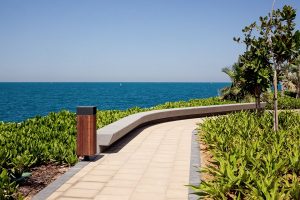
Palm Beach’s climate is brutal on exterior concrete. Harsh sun, humidity, storm season and salt air conspire to wreak havoc on surfaces and reduce service life. For Palm Beach Concrete Walkway Resurfacing, knowing those forces informs material selection, method and care regimens to achieve the standard 8 to 15 year lifespan range.
Sun Exposure
UV rays and high daytime temperatures drive surface breakdown and color fade. Use UV-resistant coatings and decorative finishes formulated for exterior concrete. These products contain pigments and stabilizers that slow photodegradation and prevent chalking.
Choose light-colored overlays and reflective materials to lower surface temperature. A lighter finish can reduce heat absorption and lower thermal expansion cycles that lead to cracking. Prolonged sun causes micro-cracking that lets in moisture, so protect against surface degradation with elastomeric sealers that remain flexible under heat.
Maintain appearance and protection with regular reseal treatments, applied every few years depending on foot traffic and wear. Consider high-SRI (solar reflectance index) options where shade is limited.
Salt Air
Coastal salt causes corrosion in embedded steel and degrades surface paste. Plan Palm Beach Concrete Walkway Resurfacing with corrosion-resistant materials and sealants, such as non-metallic fibers, corrosion-inhibiting admixtures, and marine-grade Acrylic-modified sealers.
To prevent spalling and surface damage, apply dense, low-permeability protective coatings that prevent chloride ingress. Patch systems should employ chloride-resistant repair mortars. Use concrete mix additives like pozzolans or silica fume to minimize permeability and resist salt damage.
Arrange periodic maintenance and inspections, post-storm and at least once a year, to detect the first indications of efflorescence, pitting, or hairline fractures.
High Humidity
Prolonged exposure to high humidity increases moisture loads and promotes biogrowth that can disfigure or degrade coatings. Use moisture sealers and coatings that are vapor permeable but not water permeable.
With proper surface preparation—grinding and complete contaminant removal—to prevent blistering and peeling in the presence of humidity. Inadequately prepared substrates are moisture traps and bring a coating’s life to an early end.
Apply breathable overlay systems and cementitious products designed to allow trapped moisture to escape, reducing pressure under coatings. Keep an eye out for water stain concrete and act quickly with cleaning, spot repairs, and resealing to preserve its structural and aesthetic condition.
Resurfacing Solutions
Resurfacing returns function and form for Palm Beach Concrete Walkway Resurfacing – it renews surface wear without the expense and upheaval of complete removal. Select method according to usage, salt air and sun exposure, pool slip risk, and aesthetic. Here’s a quick breakdown of your primary choices and where each belongs.
|
Option |
Key traits |
Best for |
|---|---|---|
|
Stamped overlays |
Decorative patterns, polymer-modified cement, can mimic stone, textured for slip resistance |
Walkways, patios, entrance paths where aesthetics matter |
|
Spray textures |
Thin, spray-applied acrylic or cement blends, cool-to-touch, slip-resistant |
Pool decks, patios, high-traffic outside areas |
|
Stained concrete |
Color depth with acid or water based stains, sealed finish, low profile |
Historic sidewalks, modern paths, areas needing color match |
|
Epoxy coatings |
Tough, chemical-resistant, seamless, quick cure options |
Garages adjacent to walkways, heavy-wear zones, commercial paths |
Stamped Overlays
|
Benefit |
Style examples |
|---|---|
|
Cost-effective high-end look |
Slate, cobblestone, brick |
|
Surface grip options |
Light texture, troweled grooves |
|
Repair-friendly |
Feathered edges blend to existing slab |
Stamped overlays apply a thin polymer cement that is impressed with rubber mats and top coated with a décor kit to add joints, washes, and color. For Palm Beach situations, opt for overlays with UV-stable pigments and salt-spray resistant additives.
A well-executed stamped overlay can give you the stone look for a small fraction of pavers, with labor and materials typically coming in the range of $1 to $12 per square foot depending on pattern complexity.
With emergent effects, think expert teams to resurface typical walkways in one to three days, with an additional 24 to 48 hours for light usage.
Spray Textures
Spray textures are applied with a hopper or sprayer to create a thin, even layer to cover small cracks and even out blemishes. The materials are designed to resist heat and stay cool under the Florida sun, leading to less heat transfer on pool decks.
They enhance slip resistance through fine aggregates or anti-slip additives and can be cleaned with regular pressure washing. The lifespan ranges from 8 to 20 years with good sealing; we prefer breathable outdoor sealers to prevent trapped moisture and eventual peeling.
Maintenance is simple, involving occasional resealing and patching as needed.
Stained Concrete
Staining alters concrete tone and maintains its existing surface profile. Acid stains impart variegated, natural colors. Water-based stains offer solid colors.
A stain and breathable sealer for Palm Beach fights humidity and salt spray. Stained walkways generally demand less maintenance than overlays and can hide age-related yellowing, raising curb appeal for roughly one-tenth the cost of replacement.
Our resurfaced, sealed surfaces can endure 10 to 20 years with regular maintenance.
Epoxy Coatings
Epoxies create a hard, chemical-resistant, abrasion-resistant, sinker-resistant, foot-traffic-resistant seamless coat. Select UV-resistant topcoats when working on exterior projects in Palm Beach.
They cure fast, reducing downtime, and they can be made textured for safety. Epoxy can be more expensive initially, but it minimizes long-term repair costs and maximizes service life, a very pragmatic choice when it comes to commercial walkways.
Our Process
At Palm Beach Concrete Walkway Resurfacing, we have a definitive order of work that has proven to produce consistent results over and over again for the Palm Beach weather and environment. Here’s an overview of the entire process, then more specifics on surface prep, repair work, overlay, and sealing and curing.
- Surface assessment and cleaning: Inspect existing walkway, note cracks, settlement, drainage, and prior coatings. Remove dirt, debris, and old coatings with pressure washing and grit diamond pads to reach a sound substrate.
- Concrete repair scope: Mark and repair cracks, spalls, and undermined sections. Conduct localized demolition where concrete is irreparable and place load-rated patches.
- Substrate leveling and preparation: Grind high spots, fill low areas, and verify slope for drainage. Add French drains or adjust pitch where pooling is observed.
- Overlay selection and mock-ups: Choose overlay material and finish, such as trowel micro-topping, sprayed polymer, or stamped overlay, based on texture, slip resistance, and color retention needs.
- Overlay installation: Apply overlay using the selected method, control thickness, and embed patterns or colorants as required.
- Sealing and curing: Follow the manufacturer’s cure schedule, apply a compatible sealer, and protect from traffic and rain until full cure.
- Final inspection and maintenance plan: Confirm even coverage, adhesion, and surface drainage. Provide owner with reseal intervals and cleaning guidance.
Surface Preparation
Surface prep starts with mechanical cleaning to strip contaminants that hinder adhesion. Use pressure washers and grit diamond pad grinding to expose aggregate and remove laitance. Strip all oils, salts, and organic stains.
These must be rinsed and dried prior to overlay. Probe for motion or gaps and identify these for restoration. For Palm Beach, plan this work in late fall or winter when the humidity is less and drying is faster.
Standard prep and cleaning require hours to a day for standard walkways, and the entire project takes two to four days.
Repair Work
Our Repair process applies certified patching compounds aligned with the substrate and local standards. Seal cracks with Acrylic or cementitious sealers sized for anticipated movement.
Remove any areas where steel has corroded or support has been lost. Cast concrete if required and cure at a minimum of 50°F. Make sure patched areas are feathered to provide a level plane for overlay.
Check drainage and slope a minimum of 1/8 to 1/4 inch per foot or incorporate drains to prevent pooling.
Overlay Application
Use trowel, spray, or stamping tools to apply overlays and achieve the textured and slip resistant surface you want. Aim for uniform thickness, typically one-eighth to one-half inch for micro-toppings and thicker for decorative stamp systems, and consistent mix ratios.
Colorants and release agents are used in application for lasting color retention. Anticipate time on site to fluctuate by technique. Expert teams are able to remove the majority of sidewalks inside of the documented project window.
Sealing and Curing
Create a sealing and curing checklist: ambient temperature, humidity, sealer type, and cure time. Let cure, frequently for a few days, before opening to foot traffic.
Use penetrating or film-forming sealers that not only increase stain resistance but add color. Reseal every few years, depending on wear.
Good sealing and regular salt rinsing extend the life from 8 years to over 20 years. Resurfacing costs are in the neighborhood of $1 to $12 per square foot and can generate curb appeal at a tenth of the cost of full replacement.
Walkway Aesthetics
Walkway aesthetics define a Palm Beach concrete walkway resurfacing project and influence how a path connects with regional architecture, weather, and landscape. Think Mediterranean villas, modern coastal homes, or lush tropics when selecting design elements. Walkway aesthetics color, texture, finish, and edge detail choices enhance curb appeal, longevity, and how the surface reacts to Palm Beach’s sun, humidity, and salty air.
Mediterranean Style
Choose warm earth tones, textured finishes and stone patterns to reminisce of timeless Mediterranean architecture. Travertine, slate or terra cotta mimicking stamped concrete lends authenticity without requiring upkeep. A broom or hand-troweled finish can provide understated texture that pairs perfectly with stucco walls and clay tile roofs.
Combine resurfaced walkways with stucco installation and custom patios for a cohesive exterior. Add decorative borders or inlays in darker shades to frame walkways and draw attention to entryways. Polyurethane coatings give us a tough top coat that resists UV, humidity and salt, so our stamped detail stays crisp and our colors stay true.
Beautifully crafted Mediterranean walkways add curb appeal and can increase your property value, so select materials and patterns that come across as deliberate and classic.
Modern Coastal
Choose clean lines, light colors, and minimalist textures for a modern coastal feeling perfect for today’s Palm Beach homes. Polished concrete or gentle spray texture finishes provide a chic surface that complements modern homes’ craving for clean lines. Acid stain resurfacing or decorative concrete in soft grays and pale sands gives you depth without the busy ornamentation.
Cool deck coatings lower the surface temperature, keeping walkways comfortable barefoot during sweltering summer days. Flank the path with cheerful, breezy patio tiles and refreshing deck refurbishing in catch-up areas for a cohesive look from house to pool. It’s all about keeping the deck really smooth and safe.
Resealing every season maintains sheen and prevents sun and salt discoloration.
Tropical Landscape
Celebrate bold color, organic shapes and lush textures reminiscent of a Palm Beach tropical landscape. Stamped overlays carrying leaf, shell, or irregular stone tile patterns offer visual interest and complement tropical plantings and pool decks. Match walkway designs and colors to pools, patios and custom pool decks and create a unified outdoor living space.
Stamped concrete and decorative coating add vibrant, deep colors that won’t fade. For textural interest, mix stamped surfaces with sleek banding or aggregate cuts to direct traffic. Homeowners can choose among a variety of colors and finishes and will want to schedule frequent re-sealings to help bold colors stay bright beneath heavy foot traffic.
Protect Your Investment
Palm Beach Concrete Walkway Resurfacing protects your curb appeal and saves you money in the long run by fighting against the unique hazards of South Florida’s weather. Resurfacing provides functional and aesthetic renewal and creates a surface that will bond well with appropriate sealers and coatings.
The steps below clarify regular maintenance, sealing’s role, and why fast repairs are good for longevity and safety.
Routine Cleaning
Sweep walkways often to remove sand, leaves, and organic matter that retains moisture to surfaces. Washing with mild detergent and low-pressure water, not harsh acids or bleach that strip decorative finishes.
Take care of oil, rust, and food stains immediately. Short-term spot treatment stops them from becoming permanent. Regularly cleaning preserves texture so slip resistance holds, which counts in the wet months and barefoot traffic frequent around Palm Beach homes.
Tips on maintaining resurfaced walkways:
- Remove grit and debris weekly to avoid surface abrasion.
- Rinse salts and fertilizers after coastal winds bring salt spray.
- Use soft‑bristle brushes for textured or stamped finishes.
- Use metal shovels or sharp tools that can chip overlays.
- Keep plants trimmed back to reduce root and moisture damage.
Periodic Sealing
Seal protects your investment. Select the appropriate sealer for Palm Beach Concrete Walkway Resurfacing jobs.
Acrylic sealers will endure two to three years and epoxies will endure five to seven years. Unsealed concrete in humid, sunny areas like South Florida, for example, fares three to five times worse because the UV, heavy rain, and high humidity degrade binder and color.
Sealants prevent water and chemical penetration, minimizing long-term repair expenses and maintaining beauty. A beautifully sealed surface assists in making a good first impression to potential buyers.
When to seal:
- Once the surfaces were prepped with the necessary pressure washing and crack filling.
- On new overlays once manufacturer cure time is met.
- Recoat every 2 to 3 years for acrylics and every 5 to 7 years for tougher systems.
- Once major storm events occur, if the surface shows wear or loss of sheen.
Prompt Repairs
Repair minor cracks and chips right away to prevent water seepage and subgrade damage. Turn to trained concrete repair contractors who specialize in stamped and overlay systems for dependable, durable repairs that seamlessly integrate texture and color.
Watch for flaking, loose overlay and discoloration. These are signs of moisture or bond failure and require immediate action. Timely patching keeps walks safe and prevents minor flaws from snowballing into big, expensive jobs.
Trust your contractors for continued maintenance and future fixings. Their skills guarantee proper prep, the right material selection, and long-term performance of Palm Beach Concrete Walkway Resurfacing.
Conclusion
Palm Beach concrete walkway resurfacing slashes repair costs and improves curb appeal – fast! Salt air and sun erode concrete. A thin overlay or stamped finish rehabilitates the slab, camouflages hairline cracks and adds slip grip for those wet days. Local crews are using a sealer that blocks salt and UV. The right prep and timed drainage efforts make the surfacing stick longer. A clean, textured finish suits coastal homes and protects feet and paws. For tenants or new buyers, a resurfaced walkway increases value and simplifies maintenance. For an easy next step, get a written quote from two local contractors, check references and inquire about local sealer life spans. Schedule an inspection and compare care plans.
Frequently Asked Questions
What is concrete resurfacing and why choose it for Palm Beach walkways?
Concrete resurfacing adds a thin, yet durable overlay to current concrete. It cosmetically repairs minor damage and adds slip resistance. It’s quicker and cheaper than replacement, which is perfect for Palm Beach where the heat and humidity wear down any surface.
How long does resurfacing a walkway take?
The majority of residential walkways require one to three days, prep and curing included. Bigger projects could require more time. Fast completion means less inconvenience and safe access is restored quickly.
Will resurfacing hold up to Palm Beach weather and salt air?
Yes. Modern overlays incorporate polymer blends and sealers resistant to UV, moisture, and chloride corrosion from salt air. With the right prep and marine-grade sealants, it can hold up for a surprisingly long time under Palm Beach’s coastal conditions.
Can resurfacing change the look of my walkway?
Definitely. Select from stamped textures, color tints, and broom, trowel, or exposed aggregate finishes. Resurfacing allows you to update style and boost curb appeal without replacing concrete.
How long does a resurfaced walkway last?
With good installation and yearly sealing, anticipate 7 to 15 years of life. Longevity varies with traffic, maintenance, and Palm Beach’s coastal exposure.
Is resurfacing more cost-effective than replacing concrete?
Yes. Resurfacing generally runs 30 to 60 percent less than replacement. It lowers labor, demolition, and disposal fees and offers comparable aesthetics and function for tons of walkways.
Do I need a permit for walkway resurfacing in Palm Beach?
Most small resurfacing projects don’t require permits. Regulations differ by municipality and HOA. We suggest inquiring with Palm Beach County or your local town hall prior to beginning.