- Key Takeaways
- Why Resurface
- Palm Beach Problems
- Resurfacing Solutions
- The Design Process
- Beyond The Concrete
- Long-Term Care
- Conclusion
- Frequently Asked Questions
- What is concrete walkway resurfacing?
- Why is resurfacing important for Palm Beach walkways?
- How long does the resurfacing process take?
- What resurfacing materials work best in Palm Beach?
- Can I customize the look of my resurfaced walkway?
- How do I care for a resurfaced walkway?
- Is resurfacing more affordable than replacing concrete?
Key Takeaways
- Concrete Walkway Resurfacing Palm Beach – In the heart of South Florida, concrete is everywhere. Concrete is used for everything.
- Innovative resurfacing materials and methods enhance walkway longevity and offer protection from Palm Beach’s intense sun, coastal salt air, and humid conditions.
- With decorative options like stamped overlays, stained concrete, and cool decking, you can completely customize your look, increasing curb appeal and property value as well.
- With the right surface prep, professional application, and final sealing, you can rest assured that your walkway has been created to last and stay protected from the elements.
- Regular cleaning, occasional sealing, and addressing repairs promptly are key to extending the life and beauty of resurfaced walkways.
- By factoring in HOA guidelines, hurricane preparedness, and insurance implications, resurfacing projects are compliant with local standards and add long-term value to Palm Beach properties.
Palm Beach concrete walkway resurfacing simply means restoring tired, worn walkways to once again function and appear like new.
In Palm Beach, the humid air and salty breeze can take a toll on concrete quickly. Resurfacing keeps walkways smooth, safe, and clean, even with the local weather.
Homeowners frequently select it to conserve funds and bypass complete replacement.
Read on to find out what works, which products fit the climate, and tips for lasting results.
Why Resurface
Why Resurface Concrete Walkways In Palm Beach Resurfacing old, cracked or uneven concrete walkways in Palm Beach is an excellent way to restore them while saving money and increasing the value of your property. It assists homeowners in satisfying safety regulations and maintains sidewalks looking crisp, clean, and fresh even in Florida’s sweaty, moving dirt.
1. Enhanced Safety
Walkways in Palm Beach are notorious for cracking with displacement, uneven slabs and hazardous lips from soil shifting. Even a vertical lift of more than one-quarter inch is a trip hazard and non-ADA compliant, which can endanger pedestrians and leave property owners liable.
Resurfacing gives you a smooth, even surface that helps reduce the likelihood of slips and falls. Textured finishes provide traction, which is crucial during Palm Beach’s rainy season when walkways become slick. By resurfacing uneven surfaces at the right time, you can avoid injuries and make the path safer for all.
2. Increased Value
Take a Resurfaced Walkway. Curb appeal, increased by a clean and uniform look, attracts buyers’ attention. Homes with maintained sidewalks can really shine in a competitive Palm Beach market.
Resurfacing is a great investment that can pay off when you sell, as it shows you have taken the time to take care of things. Color or patterns from resurfacing provide an aesthetic lift that contributes to the property’s value. Nice sidewalks are a testament to good property management.
3. Superior Durability
Today’s resurfacing mixes include polymers and other additives that can ensure your walkways stand the test of time, even under Florida’s sun and monsoon rains. These materials combat weather damage such as moisture and infrequent freeze-thaw cycles that can move slabs out of place over time.
Great repair materials make wear come to a crawl, guard against cracks, and keep rot at bay. Resurfacing is a preemptive means to prevent these small problems from evolving into expensive repairs or replacement.
4. Aesthetic Upgrade
Resurfacing allows for so many design possibilities. Owners can choose stamped patterns, colored finishes, or exposed aggregate for a custom appearance.
It transforms a boring sidewalk into an accent that complements the home or neighborhood. Customization means walkways do not have to be boring gray; they can reflect your property’s individual personality. Decorative finishes are attractive and add a layer of protection to the surface.
5. Cost Savings
- Resurfacing can be up to 75 percent less than replacement.
- It pays in future repair savings by addressing minor problems at an early stage.
- Remodeling in Palm Beach is inexpensive and fast, frequently performed within a couple of hours.
- Concrete that lasts longer requires fewer materials and costly removal.
Palm Beach Problems
Palm Beach problems for concrete walkways derive from the area’s coastal location, elevated water table and sandy soil. The area’s rain, sun and salty breeze accelerate surface deterioration, which results in fading, chipping and structural damage. Walkways frequently become bumpy, forming tripping hazards and violating ADA requirements particularly where the earth heaves or drains badly.
These are the types of issues that require resurfacing techniques tailored to the local climate and surroundings.
Sun Damage
UVs in Palm Beach are brutal. UV fades concrete walkways and makes them brittle. Paint or stained surfaces can begin to peel, flake, or chip, especially after a couple of seasons of sun and rain.
You need protective sealants and coatings. They act as a barrier, bouncing UV rays and preserving the walkway’s hue and finish. Resurfacing with UV-resistant compounds can bring a sun-bleached walkway back to life, improve its appearance and help prevent additional deterioration.
|
Effect of Sun Damage |
Potential Solution |
Benefits |
|---|---|---|
|
Fading and chalking |
UV-resistant sealants |
Longer-lasting color |
|
Peeling, flaking |
Quality resurfacing mix |
Fresh, even finish |
|
Brittle surfaces |
Protective coatings |
Improved durability |
Salt Air
Salt from ocean breezes is a perpetual menace in Palm Beach. Salt air soaks into concrete, accelerating corrosion of any metal inside and weakening the surface. This is typical within a couple of miles of the coast, where salty mist wafts down on a daily basis.
Special resurfacing mixes with salt-resistant additives can help combat this issue. Applying these materials when resurfacing provides an additional shield, making the walkway last longer. Continued attention, rinsing walkways and resealing surfaces, is important in salt-saturated areas.
Salt, when not cared for properly, can crack and spall, causing expensive repairs.
Humidity Issues
South Florida’s humidity pushes water into the concrete making it swell and the surface breaks down, often in cracks. Water that gets trapped inside provides the perfect breeding ground for mold and mildew, particularly in shaded or poorly drained areas.
Resurfacing can introduce a moisture barrier that blocks water, helping to prevent mold and mildew growth. Smart drainage, such as sloping walkways or adding channels, helps water run off and away from susceptible locations.
These measures minimize upkeep while maintaining the surface more secure and appearing cleaner.
Shifting Sands
Palm Beach’s notorious sandy, unstable soil is known to move below walkways. This shifting causes uneven slabs, trip hazards, and water-collecting gaps. If unchecked, shifting can create vertical changes in excess of one-quarter inch, in violation of the ADA.
Proper sub-base prep prior to resurfacing is crucial. This involves compacting the earth, filling voids, and setting drainage. Resurfacing can smooth out existing uneven spots, but continued monitoring is necessary to identify new shifts early.
These types of surface repairs may need to be redone if the base keeps shifting, so periodic inspections are part of good walkway maintenance.
Resurfacing Solutions
Resurfacing Palm Beach FL Concrete Walkways spans the entire spectrum of renewing old or broken paths and adds the benefit of creative designs. They repair cracks and unevenness and boost curb appeal, helping to keep outdoor spaces safe and attractive. Whether it’s your home, condo complex, or public walkway, selecting the proper resurfacing method is crucial for both long-term durability and aesthetic compatibility with your property.
With the area’s humidity and salt air, resilient materials that withstand day-to-day use and weather changes are essential.
Cool Decking
Cool decking provides a convenient resurfacing solution for walkways directly under a blazing sun, such as beside a pool or patio. Its primary virtue is that it has the capacity to maintain surface temperatures cooler than conventional concrete, so it’s nice and comfortable for bare feet on scorching Palm Beach afternoons. This is what makes it such a family and outdoor living favorite.
It’s available in a variety of finishes that complement contemporary or traditional homes, from textured appearances to muted tones. Cool decking is toughly built for heavy foot traffic, fighting off chips and fading even in high-use areas.
Stamped Overlays
Stamped overlays transform a ho-hum walkway into a show-stopper. These overlays are poured, then pressed with pattern molds, such as flagstone, slate, or brick. The end result is a decorative surface that appears to be natural stone but is less expensive and typically simpler to maintain.
Stamped overlays endure longer than bare concrete since the top coat protects from abrasion and minor fracturing. The customization options are almost limitless, so homeowners can select shapes, colors, and textures that match their vision, whether for a historic cottage or new construction.
Some overlays utilize color hardeners and sealers to extend life and maintain crisp patterns. Others can mix patterns for a custom look like a herringbone brick border with a slate center. For high-traffic walkways, a stamped overlay’s additional strength and slip resistance are a wise choice.
Epoxy Coatings
Epoxy coatings enhance both beauty and durability for aging walkways. Epoxy not only enhances the look of your floor but seals it from stains, water, and UV damage. It makes walkways stand the test of time and minimizes maintenance.
Epoxy is easy to clean—simply sweep or rinse away debris—so it’s suitable for active households or retail locations. It is available in a wide array of colors and finishes, from vibrant to understated, with flakes for slip-resistance. Curing times vary, however most walkways can be brought back into service within a few days, depending on the weather.
Stained Concrete
Concrete stains transform boring, gray walkways into deep, vibrant tones. Stains absorb into the concrete, creating hues that will never peel or chip, even after years of sun and rain. Options range from earth tones to deep blues to vibrant reds with stone or marble effects.
Staining is great for both new and older concrete, camouflaging imperfections and giving it flair without having to redo it completely. It resists foot traffic and weather, particularly if you seal it regularly.
Stained concrete is a great way to tie in garden beds, patios, or pool decks and give outdoor spaces a cohesive, welcoming feel.
The Design Process
Palm Beach concrete walkway resurfacing requires a very good plan that suits our climate, soil and torrential rain. Scouting the path, selecting the most suitable materials, ensuring proper drainage and adhering to municipal regulations are all important steps. Each step ensures the sidewalk is secure, visually appealing and durable.
Initial Consultation
An initial consultation allows both the client and Ron Sorrentino to examine the existing path. Make sure to inspect thoroughly for cracks, lifting, or water damage, particularly here in Palm Beach where heat and humidity worsen wear faster. This aids in determining whether resurfacing is feasible or if complete replacement is preferable.
In these discussions, customers discuss their desires, such as slip-resistance, color, or whether the walking surface needs to be ADA-compliant. Contractors tell you what is best for high-traffic areas and if you need sloped edges or French drains for drainage. Candid conversations catch issues early and establish goals.
Expert guidance is crucial since choosing the wrong material could result in the surface not holding up as long in our climate.
Surface Preparation
Preparing the surface is everything for new layers adhering. The team will wash away dirt, mold, and loose concrete with high-pressure washers and scrubbers. Any cracks or holes are cleaned out and filled with patching compounds.
If that old path has root heaves or water accumulation, those issues need to be addressed before resurfacing. Prep work consists of grinding down high spots and smoothing out any bumps that could become ADA issues by having gaps or edges over 1/4 inch.
Proper prep allows the new surface to last, look better, and stay safe.
Material Application
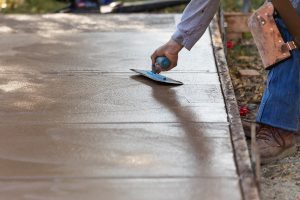
Once the surface is established, the appropriate overlay or coating is applied. Experienced artisans stir and apply the selected material, commonly using trowels or squeegees, so it lays smooth. Adhering to manufacturer instructions, such as mixing and curing times, prevents flaking or peeling down the road.
Contractors toss on finishes, broom, stamped, or stained, based on whatever the client desires and what plays nice with Palm Beach’s climate. Diligent craftsmanship at this stage implies no bumps or streaks and a surface that can hold up to sun, rain, and heavy usage.
Final Sealing
A sealant finally traps in this new surface and protects it from water, sun, and stains. There are options—acrylic or epoxy sealers, each with advantages and disadvantages with respect to gloss and durability.
Sealing enhances colors and textures, so that your walkway appears crisp and vibrant. Waiting the proper amount of time after resurfacing is crucial so the seal adheres properly. Resealing every two to three years keeps the walkway sturdy, reduces maintenance, and maintains its appearance.
Beyond The Concrete
Palm Beach concrete walkway resurfacing is more than just making old pathways look new. There are other forces that influence the result, from community ordinances to security and even coverage. All of it counts for homeowners, HOAs, and really anyone looking for something to stick.
- HOA rules determine the style, color, and finish of walkway resurfacing.
- Palm Beach’s hurricane risk dictates which materials and methods are most effective.
- Insurance premiums can vary according to walkway maintenance and improvements.
- Drainage and ADA are required for safety and neighborhood standards.
HOA Harmony
Palm Beach resurfacing projects require strict HOA guidelines. Rules frequently dictate color palettes, finish types and design standards for all outdoor enhancements. Great design decisions make neighborhoods remain cohesive and beautiful, which keeps values stable.
For instance, a stamped finish or earth-tone colors can allow a walkway to blend into the community landscape. Collaborating with the HOA in advance prevents expensive revisions. Certain HOAs will even ask for mock-ups or pre-approval on samples.
A freshly sealed path, slick, flat, and consistent with other pavements, demonstrates a sense of community care. Working with HOA leadership ensures your plans fit within the community vision and saves you time and aggravation getting approved.
Hurricane Prep
Palm Beach’s weather calls for selecting hardy, durable materials. Concrete resurfacing can provide an additional barrier against wind driven rain, salt and flying debris. High-strength mixes and sealants help walkways stand up to hurricanes, while proper drainage like French drains or sloped paths keeps water from pooling and causing cracks or swelling.
Since most repairs complete in hours, it’s downtime before the next storm. Routine maintenance is crucial. When you keep surfaces sealed and free of debris, water drains away and not under the slab.
Following a storm season, walkways with slabs or raised edges measuring more than one-fourth inch are considered to be trip hazards by the ADA. Rapid leveling and frequent inspections can prevent minor trouble from escalating.
Insurance Impact
Insurance companies sometimes incentivize well-maintained properties. Just resurfaced walkways minimize risk through decreased slips, trips, and injuries. Homeowners can watch premiums drop by eliminating risks and maintaining clear documentation of improvements, particularly if they have before and after photos or paid invoices on hand.
Others might ask to see evidence of ADA access or drainage enhancements. Consulting with your agent after resurfacing ensures you claim all applicable savings. Economical restorations, ranging from $1 to $12 per square foot, demonstrate concern.
Municipalities save as much as 75 percent over full replacement and the identical logic holds for private homes. Good maintenance leads to fewer claims and better rates.
Long-Term Care
Concrete walkway resurfacing Palm Beach long-term care is what keeps your surface strong, safe, and attractive for years. The humid, coastal environment in South Florida can accelerate wear and tear. A well-considered care plan is critical. Maintenance is a lot like the multidisciplinary approach in human LTC. Care, early intervention, and support all count.
Below are common maintenance tasks that help keep resurfaced walkways in top shape:
- Sweep walkways weekly to clear sand, leaves, and debris.
- Wash surfaces with low-pressure water and mild detergent monthly.
- Inspect for cracks, chips, or stains after heavy rain.
- Reseal the surface every 2–3 years for extra protection.
- Repair any damage as soon as it appears.
- Avoid harsh chemicals that can erode concrete.
- Use non-abrasive tools to prevent scratching.
Routine Cleaning
Maintaining clear walkways isn’t simply a matter of aesthetics. In Palm Beach, sand and plant debris accumulate quickly because of wind and rain. If left alone, these can combine with moisture against the surface, leading to stains, mold or even slick spots that cause slips.
Weekly sweeping and rinsing helps prevent buildup and keeps the walkway safe. An easy combination of water and dish soap is generally enough, and it’s mild on decorative finishes. Tough stains, such as palm berries or rust, might require a gentle scrub with a nylon brush.
Neglecting cleaning damages over time. Dirt and grit, like sandpaper, wear down sealers and decorative layers underfoot. An uncluttered path enhances curb appeal, which counts for both houses and stores in this beach town.
Periodic Sealing
Sealing protects the resurfaced concrete from water, salt air, and sun. In Palm Beach, our climate is hard on concrete, so resealing every two to three years is best. Sealing prevents moisture from entering, which helps avoid cracking and inhibits fading or flaking of the finish.
On colored or stamped walkways, a quality sealer maintains the colors vivid and the texture crisp. Be sure to consult the product directions. Different sealers require different prep and application procedures. Using the incorrect type or skipping steps can reduce the life of the walkway.
Prompt Repairs
Splits and dings can pop up quick, particularly after storms or rough-housing. Addressing these immediately prevents water intrusion leading to bigger issues beneath the surface. A little quick patching with top-notch repair mixes keeps surfaces silky smooth and safe.
We use strong stuff so your fix will hang in there, even with tons of feet or sweltering wet weather. Just as in long-term care for people, having a plan in place for regular checkups and repairs means little problems get addressed before they become big ones.
It is a smart practice for homeowners to maintain a care log and establish reminders for periodic inspections.
Conclusion
To spruce up a Palm Beach walkway, there’s nothing like a fresh facing of concrete to brave the heat, salt and torrential downpours. Resurfacing reduces cracks and stains, allowing people to have a firm walkway that looks great. A quality finish not only keeps mold at bay, but assists with slips and falls during damp weather, which is a concern so near the coast. Easy measures — such as sealing and cleaning — extend the life. Choose colors and textures that fit the style of your home — from contemporary to coastal. Resurfacing doesn’t just save you money, it breathes new life into old concrete without a lot of mess. Ready to give your walkway a facelift? Contact local pros who understand Palm Beach weather and style back to front.
Frequently Asked Questions
What is concrete walkway resurfacing?
Concrete walkway resurfacing is applying a new layer over old concrete to repair damage and improve appearance. It’s an affordable means to rejuvenate tired walkways without complete replacement.
Why is resurfacing important for Palm Beach walkways?
Palm Beach’s heat, humidity and salt air can crack and stain concrete. Walkways benefit from resurfacing because it protects them against the elements, enhances curb appeal, and prolongs their service life.
How long does the resurfacing process take?
Most walkway resurfacing projects in Palm Beach typically last one to three days, based on size and inclement weather. Curing may require additional time for optimal outcomes.
What resurfacing materials work best in Palm Beach?
Acrylic and polymer overlays are a hit in Palm Beach. They resist moisture, endure torrential downpours, and even reflect sunlight, preventing heat build-up and fading.
Can I customize the look of my resurfaced walkway?
Yes, resurfacing permits a ton of design possibilities. Select from color, patterns, and textures to complement your home’s style or design a customized look for your Palm Beach residence!
How do I care for a resurfaced walkway?
Rough sweep regularly and wash with mild soap and water. Of course, resealing every few years protects against stains, mold, and Palm Beach’s salty air.
Is resurfacing more affordable than replacing concrete?
That’s right, resurfacing almost always costs less than demolishing and repouring. It is a time saver, a waste saver, and just plain works for Palm Beach walkways.