- Key Takeaways
- Why Resurface?
- Palm Beach’s Climate
- Finding Your Contractor
- Popular Local Finishes
- The Resurfacing Process
- Protecting Your Investment
- Conclusion
- Frequently Asked Questions
- What is concrete resurfacing?
- Why is resurfacing important in Palm Beach?
- How do I choose the best concrete resurfacing company in Palm Beach?
- What popular finishes are available for Palm Beach homes?
- How long does concrete resurfacing take?
- How can I protect my new concrete surface?
- Is resurfacing more affordable than replacing concrete?
Key Takeaways
- Palm Beach concrete resurfacing increases your curb appeal, prolongs the life of your current surface, and is extremely affordable compared to replacement, all while factoring in that region’s hot, humid, and coastal climate.
- Choosing UV-resistant, salt-resistant, and moisture-resistant materials is vital to endure the intense sun, salt air, and high humidity of Palm Beach and keep your patio looking great for years to come.
- With decorative resurfacing options like stamped, stained, or textured finishes, property owners can tailor surfaces to fit with their home’s style and local aesthetic trends without sacrificing functionality.
- Correct surface preparation, application and curing are key to ensuring uniform results and optimizing the performance of resurfaced surfaces in storm-prone and hot weather regions.
- Selecting a reputable contractor entails checking credentials, examining past work, inquiring about materials and warranties, and comparing comprehensive estimates to ensure quality work and competitive rates.
- Maintenance, such as routine cleaning, immediate damage inspection and occasional re-sealing, is required to guard the investment and maintain resurfaced concrete at its best against Palm Beach’s brutal weather.
Top concrete resurfacing company Palm Beach provides expert work, transparent cost, and quick projects for residences and businesses.
Teams know the local climate and select the appropriate mixes for heat, rain, and salt air.
Best concrete resurfacing company Palm Beach. Most leading edge companies in Palm Beach offer free inspections, use dust-free equipment, and supply durable seals for longevity.
To select the appropriate one, glance at clear labor, reasonable costs, and reliable feedback from actual neighbors.
Why Resurface?
Resurfacing old concrete in Palm Beach isn’t all cosmetic. It addresses genuine problems created by the region’s rough climate. The humidity, the sun, and the salty air are all working to accelerate wear on your driveway, patio, and pool deck.
This eventually results in cracks, spalling, and rough patches. Resurfacing provides these areas a new lease on life, making them safer and more enjoyable to walk on and reducing trip risks associated with uneven terrain.
The Look
Concrete resurfacing has a variety of stylish options for Palm Beach homes. Simple overlays provide a sleek, neat appearance, while fancy alternatives such as stamped or stained finishes simulate stone, brick, or even wood.
You can coordinate the color palette to your home, from light sand tones to deep grays. Textured finishes, like brushed or exposed aggregate, make great pool decks and patios, adding slip resistance and character.
Custom patterns allow you to make your driveway or walkway pop, complementing local landscaping and architecture. Custom artistic overlays can even apply logos, borders, or repeating patterns.
The Lifespan
A resurfaced slab, when it’s done right and with superior materials, can hold up for 10 to 15 years even in Florida’s hot, wet climate. Salt air in Palm Beach will eat away at untreated concrete, but a nice overlay or sealer holds it up.
Sun, storms, and everyday wear all count, so choosing the right finish and having professional prep work is essential. Routine cleaning, minor repairs, and resealing every few years keeps surfaces sharp and extends their life.
Basic maintenance is easy. Sweep up leaves, hose off the dirt, and inspect for minor fissures around the edges that can expand.
Palm Beach’s Climate
Palm Beach, FL, lies in a subtropical zone with an average temperature hovering around 75°F and humidity hanging heavy nearly year round. They enjoy approximately 283 days of sunshine per year, mild winters, and hot, sticky summers. Outdoor surfaces here endure sun, salt air, and torrential downpours during the wet season.
These climate conditions influence how homeowners and contractors should approach each resurfacing project in the area, and they need to use the right materials and techniques for enduring results.
Intense Sun
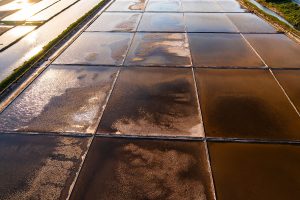
Palm Beach UV rays are strong, decomposing cement coatings quickly. UV-resistant coatings prevent fading and surface wear, especially on driveways and patios that receive full sun most days. Sunlight eventually breaks down concrete, causing it to crack or powder.
Shade structures, such as pergolas or awnings, reduce this wear, particularly for pool decks and walkways. Check regularly and spot chalky patches or color fading early so issues don’t escalate. Using light or reflective finishes assists by keeping surface heat down, creating safer, more comfortable outdoor living spaces, even on the hottest days.
Salt Air
Salt air from the Atlantic accelerates corrosion on concrete, particularly just blocks from the coast. Salt-resistant mixes like those with added pozzolans or polymers fare better long-term. Sealants serve as a barrier, preventing salt from penetrating into cracks and rusting the steel within.
Salt crystals can accumulate, so washing down surfaces, particularly after storms or strong winds, prevents them from disintegrating. Being down near the coast means a lot of cleaning and reapplying sealant, or even the hardest concrete will start to crumble and rust-stain much faster than inland surfaces.
High Humidity
Humidity in Palm Beach seldom relents. Moisture-resistant coatings, such as Acrylic or acrylic, prevent water from being absorbed and sustaining the mold. Drainage is just as critical; sloped surfaces or additional drains prevent puddles from developing and deteriorating the surface.
Mold and mildew thrive in warm, moist weather, so even covered patios require frequent inspection and cleaning. Dehumidifiers assist in confined spaces, such as garages or storage sheds, that can otherwise turn slick or moldy in those muggy summer months.
Hurricane Season
Hurricane season in Palm Beach is filled with heavy rain and high winds that put a stress test on every resurfaced surface. Selecting hardy materials and backing it with mesh or fiber assists concrete in resisting storm damage.
Palm Beach’s climate, along with good drainage from gutters, French drains, or simple grading, prevents flooding that can wash out new surfaces. Upkeep before and after storms is crucial. Caulk cracks, drain debris, and secure loose sections.
More robust reinforcement in patios, pool decks, and driveways minimizes repairs after a hurricane and maintains surfaces safe for longer.
Finding Your Contractor
When you’re choosing a Palm Beach concrete resurfacing company, you want expertise, reliability and an intimate understanding of local requirements. The region’s humid subtropical climate, stringent building codes and distinctive property styles demand pros who understand the local terrain. Homeowners and property managers should pay attention to more than just price or skim reviews. The appropriate contractor will combine technical and honest communication with local experience.
- Request evidence of Palm Beach and Florida licenses, insurance, and certifications.
- Request references from recent clients, ideally in your neighborhood.
- Check online ratings on several sites, not just your contractor’s.
- Obtain no less than three competitive and comprehensive bids with line item costs and a timetable.
- Inquire about experience with Palm Beach’s climate and local building codes.
- Seek portfolios with a variety of finishes and actual results.
- Choose contractors who use proven, high-quality materials.
- Prioritize clear communication, eco-friendly practices, and safety standards.
1. Verify Credentials
Always verify that contractors have appropriate concrete work licenses in Palm Beach County. Make sure their insurance is liability and workers’ comp. Seek additional certifications in resurfacing techniques or specialty materials, which demonstrate a dedication to continued learning.
Check Florida’s state licensing boards to see if there are any complaints or disciplinary history. Contractors who know your local building codes and permitting processes keep things running smoothly and help you avoid fines.
2. Scrutinize Portfolios
A robust portfolio provides an evident sense of ability and design. For instance, study before and after photos of prior work. Are there details of finish, color, or edges? Request to see projects completed in similar homes or businesses in your area.
Contact references to inquire whether the contractor completed on schedule and within budget, and whether the surface has stood the test of time. Contractors capable of presenting custom designs, such as stamped patterns or color blends, tend to add more versatility to your undertaking.
Look for a variety of resurfacing options in their portfolio, including decorative overlays, Acrylic coatings, and slip-resistant treatments. This gives you more to choose from to fit your requirements.
3. Understand Materials
Inquire about the advantages and disadvantages of every resurfacing material your contractor deploys, whether polymer-modified overlays, microtoppings, or Acrylic systems. Talk with them about which materials actually last the longest in Palm Beach’s weather and how often they’ll require maintenance.
Quality goods are more fade, stain, and crack resistant under sun and salt air. Sample boards or swatches allow you to view the colors and textures in close proximity.
4. Demand Warranties
A good contractor will tell you whether their warranty covers materials, labor, or both. Check how long coverage lasts and what’s excluded. Certain warranties protect you solely against major defects, while others address issues such as peeling or surface cracking.
Good warranties demonstrate a contractor believes in their work.
5. Compare Estimates
Obtain written proposals from a minimum of three contractors. Each estimate should detail labor, materials and preparation, plus any extras like sealing or custom finishes. Breakdowns allow you to identify hidden costs or shortcuts.
Look at warranties, materials and workmanship, not just price. Open conversations about payment plans or scheduling often help to make the project fit your needs.
Popular Local Finishes
Palm Beach houses are known for concrete finishes that combine beauty with practicality. A lot of finishes play off the region’s coastal architecture and nature. Homeowners here desire selections that appear polished, survive blazing, muggy summers, and require minimal maintenance.
Popular local finishes are polished concrete, patterned or stained surfaces, and textured surfaces that remain safe when wet. Soft creams, sandy tones, and beachy grays rule the roost in the color palette, mimicking our local landscape. Smart selections, such as thermal cooling coatings and UV-resistant top coats, assist in maintaining surfaces that are comfortable and durable.
These finishes frequently utilize heavy-duty acrylic overlays or Acrylic systems, which resist both the weather and everyday use.
Pool Decks
Safety first on pool decks. Slip-resistant finishes are de rigueur in Palm Beach when an afternoon downpour leaves everything slick. Broom or knockdown texture are especially popular choices because they help prevent slips and integrate with the laid-back sophistication of the region’s outdoor spaces.
As a finishing touch, popular local finishes like stamped overlays that resemble natural stone give style and make pool decks inviting. We’ve seen many poolside surfaces utilize cooling treatments now, like light-colored acrylic overlays, to reflect sunlight and reduce deck temperatures.
This is smart on sweltering days. With proper care and maintenance, such as mild cleaning and resealing, these finishes maintain their new look and can stand up to chlorine, salt, and sun.
Driveways
Driveways in Palm Beach are subject to tons of wear and tear, so durability is essential! Acrylic resurfacing and Acrylic flake systems are popular because they withstand tire marks, oil, and unpredictable weather. These finishes outlast bare concrete.
Homeowners enhance their home’s exterior by selecting patterns or stains. Warm, sandy tones and gentle grays are common choices, complementing the beachy atmosphere. A smart driveway incorporates drainage gutters or gentle inclines, so that water does not collect and crack.
By comparing the lifespan of resurfacing materials, homeowners can better pick cost-effective solutions, with many lasting a decade or more if maintained properly.
Patios & Lanais
Patios and lanais become additional living space. Popular local finishes are stained concrete and natural stone patterns that merge with native plants and outdoor accents. These finishes allow for a seamless look between inside and outside.
Popular local finishes, such as acrylic overlays, hold up to sun and rain, so the patio stays crisp for years. By adding decorative borders or inlays to them, you can give each space a personal touch.
These selections assist in making outside spaces usable throughout the year, giving you a nice cool nook for entertaining or relaxing evenings.
Garage Floors
Epoxy coatings are a favorite in Palm Beach garages. These floors withstand cars, tools, and spills. They’re simple to clean as well. Popular local finishes include flake or chip finishes, which add style and grip, reducing slips.
Surface prep is key prior to coating. Floors are ground smooth for optimal capture. Other homeowners choose metallic Acrylic for a contemporary, high-shine look.
In addition to looking sharp, these textured finishes help keep the garage safe even when wet. This makes the garage a more functional area of the house.
The Resurfacing Process
Palm Beach concrete resurfacing is a technical, multi-step procedure that combines both artistry and craftsmanship. Every phase, from the initial inspection to the topcoat application, is molded by regional weather, specialty property variations and customer demands. It’s all about good planning and systematic execution of the resurfacing process, particularly in the region’s hot, humid climate.
The top firms in Palm Beach utilize simple workflow processes to guarantee long-lasting, attractive outcomes.
Resurfacing Steps:
- Initial consultation to understand property needs and style preferences
- Detailed cleaning and repair of existing concrete
- Removal of any old coatings or sealants
- Filling cracks and leveling uneven areas
- Application of chosen resurfacing material
- Monitoring environmental factors for proper curing
- Sealing the finished surface for protection
- Providing care and maintenance guidelines for long-term durability
Surface Prep
Surface preparation is the beginning of the resurfacing process. It begins with a deep clean of the concrete to remove dirt, grease, and organic buildup, which is extremely common in Palm Beach’s salty, coastal climate. Any old paints, stains, or previous sealants that might prevent adherence of new material are ground away or pressure washed.
Next, cracks, pits and surface imperfections are filled with patching compounds. It provides a smooth, even foundation and helps avoid problems down the line. For surfaces with deep damage, specialty repair mortars are sometimes used to fortify brittle areas.
The surface is then allowed to dry completely, as residual moisture will cause bonding failures when the new layer is applied. All the debris, loose aggregate, or dust is swept or vacuumed, creating a clean slate for the next step.
It’s the prep work here that enables the new surface to tightly bond and last for years, even with heavy foot traffic or Florida’s harsh sun.
Material Application
Application is when you mix the resurfacer and apply it to the surface. Technicians apply with trowels, squeegees, or sprayers based on the selected finish and project size. For a simple broom finish, a giant squeegee is all that’s needed for a clean coat. Decorative layers might require stencils or texturing tools.
Weather has a lot to say at this point. In Palm Beach, high humidity can drag out curing, and direct sunlight accelerates it. Both can impact how the material cures and its ultimate appearance. Experts track temperature and humidity to lightly tweak their application rates to avoid any bubbling or drying problems.
We adhere to the manufacturers’ instructions for mixing and applying the resurfacer. This guarantees uniformity throughout the entire surface, including the driveway, pool deck, or patio. For minor projects, the work is sometimes completed in one day, providing property owners with instant gratification without a lengthy delay.
Curing & Sealing
Curing is the phase that allows the new surface to realize its strength potential. In Palm Beach’s environment, this could translate to curing blankets or watering to prevent the material from dehydrating too quickly. For the resurfacing process, proper curing protects against cracks and surface dusting that can reduce the longevity of the resurfacing work.
Once cured, we apply a sealer to lock out moisture and stains. This guard is important in a moisture-laden, rainy region. The sealer imparts a slight shine and can accentuate the color or pattern selected by the client.
They’ll confirm that curing and sealing times align with product specifications and local weather. Trying to rush this part of the process can result in weak areas or discoloration.
I just teach clients how to maintain the new surface. Washing and resealing every few years helps protect your investment and keeps the place looking sharp. If you skip maintenance, your covering can fade, become stained, or wear down prematurely.
Protecting Your Investment
Protecting your concrete resurfacing investment in Palm Beach requires a combination of smart planning, regular maintenance, and top-notch materials. With Florida’s sun, humidity, and salt-laden air, driveways and pool decks encounter specific issues. A solid protection plan guards surfaces against abrasion, increases curb appeal, and maintains value for the long haul.
Cleaning Routines
A regular cleaning schedule prolongs outdoor concrete. Start with a checklist: sweep debris from surfaces weekly, rinse with water, and spot-clean stains as soon as they appear. For decorative finishes, choose pH-neutral cleaners to prevent colors and textures from fading.
Pressure washers should be used only once or twice per season when doing a deep clean because too much force can chip overlays or lift sealers. On pool decks, clean up sunscreen spills or leaves swiftly to prevent surface staining. Educate homeowners to peruse labels and steer clear of abrasives or stiff brushes that scratch decorative finishes, particularly in high-traffic areas.
Sealer Integrity
Sealants are important in Palm Beach because moisture and UV exposure are unavoidable. Check sealers every couple of months for any fading, cracking, or peeling. When water ceases to bead on the surface, it is a sure indication that the sealer requires another application.
Reseal driveways and pool decks every two to three years, or sooner if surfaces become dull or begin soaking in stains. Opt for Florida-rated sealers designed to withstand high humidity and sun exposure, which provide that extra layer of defense and assist textured finishes in remaining slip-resistant during wet weather.
Teach homeowners how to identify issues early. Dark spots or white fog indicate sealer failure, which demands swift remediation.
Damage Inspection
Regular check-ups find minor issues before they become big ones. Walk surfaces after storms to inspect for cracks, chipping, or color changes. These can indicate water seepage or sun damage. Address small imperfections immediately before they lead to major restoration.
For homeowners, be on the lookout for uneven spots, spalling, or efflorescence, particularly on older concrete or heavily used driveways. Proactive measures like filling small cracks and resealing maintain curb appeal and provide a significant return on investment.
Textured finishes assist by minimizing slip hazards and making imperfections more visible, which is key during the rainy season in Palm Beach. These checks keep both the look and value of your property protected.
Conclusion
To get your concrete looking sharp in Palm Beach, you need more than a new paint job. Salt air, sun and rain eat up even the hardest surfaces. Local crews know this material like the back of their hands. They apply the proper mix for this heat and proper sealers to combat the wet season. Easy tasks are completed quickly. Big patios or pool decks require more craftsmanship, and the best guys in town demonstrate their craftsmanship. Inquire about slip-proof finishes if you desire barefoot strolls. Stay on top of cleaning and sealing to avoid big bills down the road. Not sure who to call? Read actual reviews, query your neighbors, and view completed projects in the vicinity. Begin your project today and experience the difference for yourself.
Frequently Asked Questions
What is concrete resurfacing?
Concrete resurfacing is a means to repair and upgrade aging or damaged concrete. It employs a proprietary coating to renew surfaces such as driveways, patios, and pool decks, bringing them new life and longevity.
Why is resurfacing important in Palm Beach?
Palm Beach has intense sun, rain, and humidity. Resurfacing safeguards concrete against cracks, fading, and water damage. This keeps your property looking great and helps you prevent expensive repairs.
How do I choose the best concrete resurfacing company in Palm Beach?
Seek licensed, insured companies with experience in your local area. Look at customer reviews, request references, and examine their portfolio. A reliable contractor knows Palm Beach’s climate and provides warranties on their work.
What popular finishes are available for Palm Beach homes?
Stamped concrete, spray texture and colored overlays are big in Palm Beach. These finishes are heat-resistant, slip-resistant and complement the local coastal style, which is perfect for patios and pool decks.
How long does concrete resurfacing take?
Here in Palm Beach, the majority of projects run anywhere from 1 to 3 days, depending on size and weather. Walkways and driveways might require additional drying time, particularly on humid days.
How can I protect my new concrete surface?
Maintain it by keeping clean, resealing every two to three years, and avoiding harsh chemicals. Maintenance keeps away stains, cracks, and fading, particularly with Palm Beach’s humid weather.
Is resurfacing more affordable than replacing concrete?
Yes, resurfacing is a lot less expensive than ripping out concrete and replacing it. It brings value and curb appeal to your Palm Beach home without the mess or extensive downtime.