- Key Takeaways
- Palm Beach’s Toll
- Resurfacing Process
- Coastal Materials
- Condo Considerations
- Resurfacing Benefits
- Aftercare Plan
- Conclusion
- Frequently Asked Questions
- What causes catwalks in Palm Beach to need resurfacing?
- How does the resurfacing process work for Palm Beach catwalks?
- What materials are best for coastal catwalks in Palm Beach?
- Do condo associations need special permits for catwalk resurfacing?
- What are the main benefits of resurfacing a catwalk?
- How long does a newly resurfaced catwalk last in Palm Beach?
- What aftercare is recommended following catwalk resurfacing?
Key Takeaways
- Palm Beach’s unique coastal environment requires custom solutions to fight salt air corrosion, unrelenting sun, high humidity and hurricane stress that degrade concrete at an accelerated pace.
- Effective resurfacing requires a systematic process beginning with a detailed structural assessment, thorough surface preparation, targeted concrete repair, professional system application, and protective sealing to ensure long-term durability.
- By utilizing coastal-specific materials such as elastomeric coatings, polymer concrete and urethane sealants, the catwalks are able to resist cracking, moisture intrusion and UV damage, all of which are imperative for Palm Beach’s unique climate.
- For condos and multi-unit properties, foremost in our mind is clear resident communication, phased workflows, efficient debris management, and strict safety protocols to minimize disruption and protect everyone.
- Resurfacing concrete catwalks, walkways, and common areas in the Palm Beach area enhances safety, curb appeal, and adds significant property value. It extends the life of these structures.
- With a little aftercare, including inspections, cleaning, and resealing, you’ll keep resurfaced areas intact and beautiful for years to come, making the most of your investment in your property.
Palm beach catwalk resurfacing refers to repairing piers, docks, and bridge walkways along the coastline to maintain their safety, smoothness, and durability.
Saltwater, strong sun, and storms in Palm Beach put wood, metal, and concrete through the wringer. Crews apply slip-resistant coatings, sealers, and new boards to comply with local codes.
To demonstrate best methods and advice for Palm Beach catwalk resurfacing, the following sections will describe each phase.
Palm Beach’s Toll
Palm Beach has its own gritty reality when it comes to catwalks and walkways, influenced by its coastal environment. Concrete here wrestles with salt air, blistering sun, humidity and hurricanes. All of these elements take a toll on surfaces, keeping property managers and owners in a near-constant state of maintenance.
Knowing how each factor impacts concrete can help inform smarter decisions for repair and prevention, which could do a lot to extend the life of these catwalks.
Salt Air Corrosion
Salt air stains concrete, rust and flaking surface pitting appear first. Eventually, metal pieces embedded in the concrete like rebar begin to rust, compromising the entire structure. Hairline cracks can expand and allow more moisture in, accelerating the damage.
|
Preventative Measure |
How It Works |
Cost (Estimate) |
|---|---|---|
|
Sealant Application |
Blocks saltwater infiltration |
$1.50 per sq. ft. |
|
Epoxy Coating |
Applies a robust barrier |
$2.75 per square foot |
|
Stainless Steel Rebar. Resists rust. |
$1.90 per pound. |
|
|
Scheduled power washing |
Rids salt encrustation |
$0.20 per sq. ft. |
Salt air leads to more maintenance expenses. Palm Beach’s Toll Repairs and resurfacing total quickly, especially if early damage is overlooked.
Prevention measures cost less over time but have higher initial costs due to specialized coatings and materials. In such straits as Palm Beach, these investments are usually worth it to circumvent constant repair.
Specialized coatings, like epoxy or silane based sealers, form a hard barrier against salt air. These products are formulated for coastal living and have a longer lifespan than average sealants. They can be used to extend the life of walkways and decrease repair frequency.
Relentless Sun
UV rays tend to degrade the surface of concrete over time. Color bleeds, the top gets brittle and cracks. Florida’s sun is brutal, so these effects manifest sooner than in cooler, cloudier locations.
Picking dense, UV-resistant concrete mixes allows surfaces to stand up to the sun. Adding light-colored aggregates or surface treatments reduces heat absorption.
Reflective coatings, like acrylic or elastomeric paints, bounce sunlight away. This keeps walkways cooler and slows down wear. These coatings need reapplying every few years.
Sun damage is insidious. Regular check ups, a minimum of twice a year, let owners catch small fissures or discoloration before they develop into larger issues.
Humidity’s Impact
High humidity allows moisture to seep into concrete, resulting in bubbling and even mold or mildew. Over time, trapped moisture can weaken internal glues.
Waterproofers like silicate sealers absorb into concrete and repel water. They are most effective when used during dry periods.
Well-drainage prevents bird puddles on catwalks. French drains, slopes, or even basic gutters wick water away, allowing concrete to stay dry.
Test the humidity and walkways frequently. When you spot dark patches or slippery areas, it’s time for some extra maintenance.
Humidity can accelerate surface degradation. Early interventions such as crack sealing and patch replacements go a long way toward maintaining safe and structurally sound walkways.
Hurricane Stress
Hurricanes whip up wind and flooding that will rip concrete catwalks. Wind-driven debris chips away at paint and standing water infiltrates into the cracks.
Robust materials, such as fiber-reinforced concrete or high-strength sealants, endure storm strain more effectively. Utilizing these on repairs or new builds provides walkways a better opportunity to weather storms.
Palm Beach’s toll Property owners ought to have an evacuation plan ahead of hurricane season. That means boarding up walkways, clearing drains, and stowing loose items.
Search for chips, cracks or shifted slabs. Repairing damage immediately prevents the development of larger issues and maintains safe pathways.
Resurfacing Process
Palm Beach’s muggy air and monsoon-type of rain demand intelligent sidewalk maintenance. Catwalk resurfacing here does not merely mean a new look. It means stronger, safer walks that endure. It’s a meticulous process. Every step counts for results that stand strong against Florida’s sun and storms.
1. Structural Assessment
Full check comes first. Certified pros walk the stretch, inspecting for cracks, spalling, and indications of ground movement. They record all deterioration, from slight pitting to deep splits, as even hairline cracks can propagate rapidly in heat and rain. Each problem is recorded, which means there is a schedule for repairs and new coatings.
Here in Palm Beach, inspectors check for water damage due to rain or bad drainage. These accelerate deterioration and require specific repair techniques. Nailing this step prevents buried issues from resurfacing.
2. Surface Preparation
Surface preparation is about way more than just sweeping. Crews remove all sand, dirt, and organic debris, as anything remaining compromises the adhesion. For old gum or stubborn stains, pressure washing or scrubbing with eco-safe cleaners is handy.
Then, grinding or shot blasting roughs up the top, so the new layer adheres well. Any serious damage, such as deep cracks, holes, or areas where water pools, is repaired first. Local Palm Beach regulations dictate that these steps adhere to rigorous standards, which contribute to maintaining walks safe for all.
3. Concrete Repair
If cracks run deep, patching is a must before the fresh layer goes on. They fill cracks and repair any popped out chunks to prevent water intrusion. Only top-quality repair mixes are rated for Palm Beach’s damp, salty air and blazing summers.
Occasionally, a pliable filler is ideal for cracks close to tree roots or ground with shifting soil. These fixes translate to reduced swelling, moisture retention, or subsequent potholes. Professional advice helps select the best repair for each area.
4. System Application
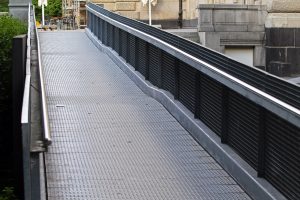
After your repair sets, they apply your new surface. It is blended on site, so it suits the local temperature and humidity. Workers spread the mix with trowels or sprayers, monitoring thickness for uniform, stable coverage.
For Palm Beach, the mix must allow the slab to ‘breathe,’ so moisture does not get trapped and bubble or peel. Timing counts as well; the hot sun accelerates drying, so work typically begins early or in the shade. Curing takes a day or two, weather and the concrete’s age notwithstanding.
5. Protective Sealing
Sealant is the final armor. It soaks in, shutting out water and UVs that degrade concrete. We PALM BEACH projects use breathable, outdoor-rated sealers that prevent moisture from becoming trapped inside.
Periodic resealing, every year or two, helps keep the surface robust. Owners are taught to identify wear and anticipate resealing, as this inexpensive measure can stretch life to over 20 years. For optimum results, sealing comes after a quality drainage plan, such as sloping or French drains, so water never lingers.
Coastal Materials
Coastal catwalk resurfacing in Palm Beach presents unique challenges. The salt air, UV intensity, and constant weather shifts all take their toll on material longevity. Effective resurfacing means using materials designed for these punishing conditions. Coastal-specific products, including elastomeric coatings, polymer concrete and urethane sealants, all combine to increase durability, safety and aesthetics.
Local concerns such as sand loss from storm damage encountered at Mid-Town Beach make material choice doubly crucial. Beach erosion can pose dangers to both beachgoers and catwalk users.
|
Material Type |
Main Benefit |
Coastal Adaptation |
Durability Level |
|---|---|---|---|
|
Elastomeric Coating |
Flexibility, crack resistance |
Strong UV and salt defense |
High |
|
Polymer Concrete |
Bonding, load support |
Resists corrosion, erosion |
Very High |
|
Urethane Sealant |
Waterproofing, UV shield |
Withstands coastal storms |
High |
Elastomeric Coatings
Elastomeric coatings are unique in that they can stretch and move with the concrete. They absorb temperature swings and micro-movements of the subgrade, preventing cracks. This is crucial in Palm Beach, where coastal winds and salt can deteriorate rigid coatings.
Using these coatings extends the life of a catwalk’s surface. Elastomeric membranes slow down water intrusion and stop small cracks from spreading. The result is less repair work and safer walkways, even after coastal storms that can speed up surface wear.
Color selections are more than cosmetic. Light colors deflect sun and reduce heat absorption. Darker colors might wear out quicker. Textured finishes can help camouflage wear and add traction.
Proper installation is key! These surfaces have to be dry and clean. Two or more coats are often rolled or sprayed on to get full coverage. Skipping steps causes thin patches that wear faster, especially in salty, sandy air.
Polymer Concrete
Polymer concrete uses resins rather than ordinary cement, so it adheres well to existing surfaces and resists salt and water. That makes it perfect for coastal catwalks, where standard concrete would disintegrate quicker. Its durability allows it to serve in high-traffic areas and even light vehicular traffic.
What a must-have restoration material! It patches spalled areas, fills potholes and coats exposed steel with less shrinkage and cracking than conventional mixes. It keeps getting better; polymer concrete requires even less maintenance and repair as the years go by.
It may be more expensive initially, but the reduced maintenance and durability pay for themselves over time. For public walkways and commercial beach fronts, they save time and downtime adds up.
Urethane Sealants
Urethane sealants prevent water and salt from seeping into joints and cracks. Their pliability allows them to shift with the concrete, which is key along dynamic coastlines where sand scour, as seen at Lake Worth Inlet, causes ground to become uneven.
We even make special formulas for coastal projects. They withstand UV rays, resist mold, and don’t decompose after monsoon or storm surge. These are essential for erosion-impacted and quick sand drop-off locations.
Tests proved that urethane sealants endure for years, even with direct sun and wet-dry cycles. That translates to fewer repairs and safer conditions.
Property managers should check sealant lines annually. Reapply or patch if gaps or peeling appear, particularly following a renourishment project, such as the Mid-Town Beach initiative, where nearly 500 yards of sand are dredged to add back lost ground.
Condo Considerations
Palm Beach condo boards will receive strict new rules on safety and upkeep, particularly post Surfside condo tragedy. Florida law requires extensive inspections, more frequent repairs, and larger reserves. Catwalk resurfacing is one of those repairs, and orchestrating such projects without inconveniencing residents is important.
Resident Communication
Clear communication is key. Condo managers should send notices well before work starts, listing dates, expected noise, and blocked pathways. Weekly newsletters or digital updates help keep everyone in the loop as work progresses.
Sometimes, there are last-minute schedule changes, so a mix of emails, text messages, bulletin boards, and even door flyers ensures all residents get updates. Feedback boxes or simple online forms let residents voice concerns or suggest ideas, which is vital if repairs affect routine access or safety.
Open forums or Q&A sessions can address common worries, especially if milestone inspection deadlines are approaching and residents face special assessments.
Phased Workflows
By dividing resurfacing into stages, it restricts how much it affects your day-to-day lives. We can start work on the lightly used catwalks or amenities decks in mid-mornings, when the residents are gone.
It facilitates early trouble spotting and the ability to modify the plan if new issues arise, such as water damage discovered during Phase One inspections. Work schedules should coordinate with contractor schedules and building quiet hours to maintain momentum and reduce inconvenience.
If a Phase Two inspection is required, the workflow has to change to accommodate testing and repairs within the year legal window. Specific tracking, such as checklists and progress charts, enables management to identify where delays are occurring and to correct them quickly.
Debris Management
Resurfacing generates dust and debris that can permeate onto hallways, elevators, and the parking garage. Crews have to install plastic sheeting and sealed bins to prevent messes before they even begin.
Housekeeping crews ought to sweep and shine lobbies daily, with additional spruces post major endeavors like grinding or concrete work. Signage near trash rooms can indicate to residents where to leave small debris, while larger items should be collected by the contractor.
They must follow Palm Beach rules for debris disposal because improper dumping results in fines and complaints.
Safety Protocols
- Tag all work zones with vibrant caution tape and rugged barriers.
- Mandate workers to wear hard hats, gloves, and masks at all times.
- Hang obvious alerts about slickness or object drop.
- Hold safety briefings for workers before each phase starts.
- Regularly check scaffolding and lifts for stability and wear.
- Only trained staff can operate heavy tools or machinery.
- Log all safety checks and incidents for recordkeeping.
- Modify safety plans after each inspection or near miss.
Resurfacing Benefits
Resurfacing catwalks and other concrete structures in Palm Beach provides its own set of benefits. These advantages are particularly important in this coastal area, where a combination of brutal sun, pounding rain, and salt air can degrade surfaces quickly. Fresh finishes and new methods can make all the difference for security and resale value.
Below is a summary of key benefits that local property owners can expect:
- Restores worn and cracked concrete to like-new condition
- Improves slip resistance and is great for pool decks and walkways.
- Boosts property value by improving appearance and function
- Protects against UV, humidity, and salt air corrosion
- Cost-effective compared to full replacement
- Offers quick results, often in just a few days
- Supports custom looks with decorative finishes and stamped overlays
- Reduces surface temperature for more comfortable use
Enhanced Safety
Resurfacing has an immediate application in creating safer sidewalks, catwalks, and pool decks. Old, cracked concrete is a tripping hazard which can be a big liability for homes and businesses alike. Thanks to its ability to level out bumps, resurfacing can reduce fall risks, particularly in busy spaces throughout Palm Beach.
Slip-resistant coatings like textured overlays or cool deck finishes provide additional traction when wet. This is crucial for pool areas and high-traffic locations in the local humid climate.
After resurfacing, a comprehensive safety inspection aids in ensuring that the new surface complies with all local safety regulations. Homeowners need to keep up on the care of these surfaces, as routine cleaning and quick fixes are the best way to keep them safe. Here in Palm Beach, where storms and salt air accelerate wear, constant care is a necessity.
Property Value
Resurfacing is the intelligent choice for property owners seeking to increase their real estate investment value in Palm Beach. Everyone appreciates improved curb appeal from a fresh, well-maintained walkway or catwalk. It makes a strong first impression for buyers and renters.
In numerous local case studies, homes with newly resurfaced patios have experienced a distinct increase in appraised value, offsetting the project cost by several thousands of dollars, depending on the scale. For owners, the ROI can be compelling.
Rather than spending tens of thousands on complete replacements, resurfacing offers a punch for just a sliver of the cost. This approach is as practical as it is strategic in today’s market.
Curb Appeal
With all the decorative finishes to choose from, resurfaced catwalks and driveways can be in any style! With stamped overlays and custom stains, homeowners can select specific looks, everything from plain concrete to brick, stone, or tile patterns.
These remodels are particularly in demand among buyers seeking both aesthetics and utility. Landscaping elements like extra plants or stone borders complement resurfacing nicely. Collectively, these updates make homes pop on the street, attracting attention and increasing value.
Longevity
Resurfacing can save concrete catwalks years beyond their initial lifespan. Contemporary ingredients defy Florida’s harsh elements, from blazing sun to briny breezes, and aid in staving off fast decay.
With a little routine care, sweeping here and sealing there, owners can enjoy resurfacing benefits for years. Far less disruptive and much more affordable than tearing out and replacing old concrete, resurfacing has many benefits.
With proper maintenance, these enhancements can endure for years and maintain surfaces in pristine condition.
Aftercare Plan
These high-traffic walkways take a beating in our humid, sunny climate and strong coastal salt air, so a thorough aftercare plan for Palm Beach catwalk resurfacing is essential to keeping them in peak shape. Regular maintenance helps defend the investment, prolong the life of the resurfaced concrete and keep it safe for all people.
Regular inspections help to identify small cracks, chips or wear before they intensify. For Palm Beach properties, check the catwalks monthly because the salt, sand and sun can accelerate decay. Target joints, corners and high traffic areas. If you observe any standing water, mold or slick areas, identify them for immediate repair.
Routine walk-throughs following heavy rain or storms are wise, as weather events here can wreak havoc overnight. Logging every inspection and fix, even minor ones, can help you track patterns and schedule for larger repairs.
A defined cleaning and resealing routine maintains the surface’s appearance and prevents deterioration. For most Palm Beach runways, wash down at least once per week with a mild, pH-neutral cleaner and water to wash away sand, salt, and plant debris. Avoid harsh chemicals and abrasive scrubbers that can erode the finish.
Every 9 to 12 months, reseal the surface with a quality, UV-resistant sealer made for Florida’s climate. This protects the concrete from fading, staining, and moisture, all typical coastal concerns. In high traffic zones such as public boardwalks or condo complexes, it could be wise to reseal even more frequently.
Educating property owners and managers on best practices is as important as the work itself. Share simple tips: Don’t use metal shovels or sharp tools to clear debris. Install mats at entrances to reduce grit. Don’t drag around heavy gear or furniture, which can scar the finish.
Emphasize remaining off the resurfaced area for a minimum of three days post-work, as excess use or moisture from swimming or sweating can hamper curing and cause premature wear. If maintenance consists of any type of peel or surface treatment, advise patients not to pick or rub the surface and, if exposed to the sun, wear SPF 30+ mineral sunscreen, as this prevents fade and spot formation.
Avoid direct sunlight and tanning beds for a minimum of one month post resurfacing to prevent heat damage. For new or sensitive areas, cold compresses for 10 to 15 minutes, 1 to 2 times every 2 hours in the first couple of days can alleviate swelling or warmth.
Wiping the area down 4 to 5 times a day with a gentle cleaner during week one will help avoid buildup and infection. Sleeping with an extra pillow can help to reduce swelling if the work was near doorways or seating.
Conclusion
Palm Beachers know salt, sun and storms take a toll on catwalks. Crews here select durable wood and slip-resistant surfaces to ensure boardwalks endure and remain safe. Condo boards and owners decide on rules, choose colors, and schedule work with local codes in consideration. Post work, simple maintenance like rinsing sand, repairing loose boards or applying grip tape makes new surfaces go further. Good resurfacing equals fewer falls, less drama, consistent feet and calm heads on these walkways. Got a catwalk that needs some lovin? Talk with your building manager or local pro. Don’t wait for a loose board to slow you down—keep Palm Beach catwalks safe and convenient all year long.
Frequently Asked Questions
What causes catwalks in Palm Beach to need resurfacing?
Salt air, humidity and heavy foot traffic break down catwalk surfaces. Cracks and erosion over the years necessitate resurfacing for safety and curb appeal.
How does the resurfacing process work for Palm Beach catwalks?
Resurfacing begins with washing and patching the existing surface. Then, another layer of concrete or coating is applied, designed for coastal weather.
What materials are best for coastal catwalks in Palm Beach?
Coastal catwalks require slip-resistant and salt-resistant materials such as epoxy coatings or polymer-modified concrete. These materials have a longer lifespan in Palm Beach’s climate.
Do condo associations need special permits for catwalk resurfacing?
Yes, the majority of condo associations in Palm Beach have to obtain local permits before resurfacing. Be sure to heed town and HOA rules for compliance.
What are the main benefits of resurfacing a catwalk?
Resurfacing for safety, beauty, and value. It keeps out moisture and salt damage from occurring, meaning you’ll spend less on future repairs.
How long does a newly resurfaced catwalk last in Palm Beach?
If taken care of, a resurfaced catwalk can last for 8 to 15 years here in Palm Beach. With occasional maintenance, its life is prolonged despite the brutal coastal weather.
What aftercare is recommended following catwalk resurfacing?
Maintain by cleaning, omitting aggressive chemicals, and periodically checking for cracks or wear. Fast repairs after storms preserve this new finish.