- Key Takeaways
- The Core Benefits
- Resurface or Replace
- Palm Beach Materials
- Resurfacing Techniques
- Beyond The Surface
- The Local Process
- Conclusion
- Frequently Asked Questions
- What are the main benefits of driveway resurfacing in Palm Beach?
- How do I decide between resurfacing and replacing my driveway?
- Which materials are commonly used for driveway resurfacing in Palm Beach?
- What resurfacing techniques are often used in Palm Beach?
- How long does a newly resurfaced driveway last?
- Is the resurfacing process disruptive for homeowners?
- What should I expect from the local driveway resurfacing process?
Key Takeaways
- Driveway resurfacing can boost safety and curb appeal by removing surface imperfections and revitalizing exterior aesthetics. This makes homes more appealing to buyers.
- High-quality resurfacing materials provide exceptional durability and can resist weather fluctuations typical of areas such as Palm Beach, delivering lasting results and minimizing upkeep.
- Choosing the right materials involves considering heat resistance, salt tolerance, and humidity to make sure everything lasts as long as possible with the least amount of wear and tear caused by the local climate.
- Several resurfacing methods, such as concrete overlays, stamped concrete, epoxy coatings, and paver resurfacing, offer a range of customization, durability, and design enhancements to suit your property’s needs.
- Given this, effective planning might include evaluating your existing driveway state, the cost and time impact of resurfacing versus replacement, and local codes and permitting.
- Whether you’re hiring licensed professionals, checking their experience, or requesting in-depth estimates, these are all important steps toward effective and compliant driveway resurfacing results.
Palm Beach driveway resurfacing is applying a fresh surface to existing driveways for a sleek, durable result. Most Palm Beach homeowners choose resurfacing to repair cracked, stained, or faded areas without the need for complete replacement.
It’s a great way to extend the life and appearance of driveways. Choices commonly are concrete, pavers, or asphalt. To select the proper technique, consider cost, climate, and aesthetics.
The following section outlines steps and advice for every resurfacing option.
The Core Benefits
Palm Beach driveway resurfacing offers both functional and aesthetic benefits to homeowners. It solves safety, property value, and durability concerns while typically costing less than a complete replacement. Below are the primary benefits:
- Improves safety by fixing cracks and potholes
- Increases property value with a well-kept appearance
- Enhances curb appeal for a strong first impression
- Offers long-lasting durability with quality materials
- Lowers costs compared to full driveway replacement
1. Enhanced Curb Appeal
A resurfaced driveway can transform any house by masking the stains, cracks, and wear that develop over time. Selecting from decorative choices such as stamped concrete, colored finishes, or smooth overlays allows every driveway to match the homeowner’s personality.
Minor details, such as a border or pattern, infuse personality and set the exterior apart. Even simple resurfacing that smooths bumps allows the driveway to blend with the rest of the property for a cohesive and well-maintained appearance.
When selling a home, this first impression can be crucial as buyers tend to judge a house by its curb.
2. Increased Safety
Cracks, potholes, and bumps aren’t just unsightly; they’re trip hazards or potential for vehicle damage. Resurfacing masks these imperfections, providing a smooth, uniform surface that is safer to walk and drive on.
By adding appropriate drainage, you keep water from pooling, which reduces slips and prevents water from eroding the base. Durable substances such as asphalt or concrete blends formulated to withstand heavy vehicles protect the driveway during rush hours or when family and guests visit.
Nighttime safety gets a boost as well, with a smooth, level driveway that is easier to see in dim light.
3. Higher Property Value
There’s something about a good-looking, really well-working driveway that contributes value to a home. Buyers read a maintained driveway as an indicator that the entire property is in good shape.
When conducting home showings, a driveway without cracks or stains can be the difference maker to get the buyer over the edge. Investing in resurfacing is rewarding because it enhances curb appeal and may just help your home sell quicker or at a higher price.
A neat, paved driveway is one of the few things that real estate agents will tell you is a selling feature.
4. Superior Durability
Driveway resurfacing employs materials that resist weather, UV rays and winter salt. These include polymer-modified asphalt and premium sealants, which protect the surface from cracking and fading.
Good resurfacing means less repair later. With consistent sealing and maintenance, a driveway lasts up to 15 years or more while maintaining its appearance and structural integrity.
5. Cost Savings
Resurfacing a driveway is less expensive than building a brand-new one. Prices for resurfacing can be as low as $0.60 to $0.90 per square foot, a fraction of the cost of replacement.
Resilient materials lead to reduced maintenance expenses, as the surface won’t degrade as quickly. By addressing issues when they’re still minor, resurfacing prevents more significant and expensive restoration down the road.
This keeps the driveway functioning without a premium price.
Resurface or Replace
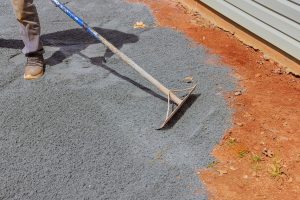
When it comes to resurfacing or replacing your driveway, there are a lot of factors that come into play. The correct decision factors in cost, time, safety, and remaining life of the old material. Consider the form, vintage, and appearance of your drive and decide on what you want and require.
It’s important that it affects the planet because replacing equates to more trash and more new material.
The Tipping Point
Small cracks, slight pits, and faded spots are indications that resurfacing is a good idea. If it’s mostly level, just worn or stained, resurfacing can mask imperfections and make it less slippery at night. Resurfacing can assist when you’re looking to alter the appearance, add color, or even incorporate a pattern to match your style.
It’s typical for sellers to resurface their streets to increase curb appeal. If deep holes, wide cracks or sinking spots appear, replacement might be optimal. If the base is weak or the drive is older than 20 years, new layers won’t stick.
In those instances, replacing is safer and lasts longer. In some cases, the price to resurface big damage is close to the cost of a new drive, so replacement is the wiser choice. The driveway’s age concerns as well. A newer drive with light wear resurfaces well.
A surface that has been subjected to years of freeze and thaw or abuse might be on its last legs.
Cost Comparison
|
Option |
Average Cost (per m²) |
Lifespan (years) |
Maintenance Needs |
Hidden Costs |
|---|---|---|---|---|
|
Resurfacing |
$30 – $50 |
8 – 15 |
Low |
Few (cleaning, prep) |
|
Replacement |
$60 – $120 |
20 – 30 |
Low |
Removal, disposal |
Resurfacing is typically cheaper initially and adds value if you’re going to sell. It can extend your drive longer and save you money in the long run. Replacement is a greater expense but signifies a clean slate and reduced maintenance for years to come.
Sneaky costs, such as disposing of the junk drive, can boost the bottom line. Make sure you always get detailed quotes and ask about every fee so that you’ll know what you’ll pay.
Time Investment
Resurfacing takes a day or two, and your drive is good to go pretty quick. If you schedule for nice weather, you prevent setbacks and ensure the new course cures properly. That translates to less disruption and chaos in your house.
Replacement requires more downtime, usually a week or more, because crews have to break up, remove, and pour new concrete. You’ll have to prepare for additional noise and increased parking restrictions.
If you want to minimize stress, resurfacing is the speedier choice.
Palm Beach Materials
Palm Beach driveway resurfacing takes some thought as the climate and weather are hard on materials. Selecting the right option counts for both aesthetics and durability of the surface. Driveways here contend with intense heat, coastal salt air, and humidity throughout the year.
Materials need to be durable, resist salt and water, and maintain color and texture. The following list covers the main options for Palm Beach driveways:
- Concrete is a favorite for its durability and longevity. Concrete decks can endure 25 to 50 years with proper maintenance. Concrete resurfacing brings old driveways back to life without all the construction.
- Terrazzo is aesthetically eye-catching. It combines stone or glass chips in a binder, creating decorative designs. It is more often used for high-end or designer initiatives.
- Porcelain — Because of its minimal water absorption, porcelain remains less slick when wet and is easy to clean, making it a popular choice in humid coastal areas.
Heat Resistance
Because Palm Beach experiences high summer temperatures in excess of 32 °C, heat resistance is a key requirement for driveway materials. Concrete mixes that prematurely set in hot weather risk cracking, so slow-setting or modified blends avoid early failures.
Porcelain is distinguished for reflecting sunlight, which keeps it cooler underfoot and maintains its appearance. Heat-reflective coatings can be applied to concrete or terrazzo as well, which reduces heat absorption and surface breakdown risk.
Over time, heat-resistant materials and coatings prevent driveways from fading, peeling, or cracking after countless hot summers and extend their lifespan by years.
Salt Tolerance
Saltair, a typical coastal issue, accelerates erosion for numerous driveway substances. Concrete will disintegrate or stain if not protected with the appropriate sealant, so salt-tolerant resurfacing products are recommended.
Porcelain, being so dense, is inherently salt and moisture resistant and less susceptible to damage or repairs. Specialized coatings shield concrete and terrazzo from salt.
Cleaning and resealing regularly sustains this shield and keeps cracks and erosion at bay. Actions such as these extend the life of driveways and maintain their finish.
Humidity Impact
Palm Beach’s intense humidity requires driveway materials that can withstand moisture without weakening or disintegrating. Porcelain’s low water absorption sets it apart in these wet environments, as it fights mold and does not slip easily.
Good drainage is essential. Driveways are designed and must be sloped and edged so that water drains off and does not pond. Concrete mixes formulated for wet climates, particularly those marked moisture-resistant, fare best of all.
Regular cleaning and sealing prevent surfaces from developing algae or moss and keep water out of the cracks. Given proper care, concrete driveways can endure for decades even in moist environments.
Resurfacing Techniques
Driveway resurfacing combines new and old-school methods to enhance the appearance and durability of exterior surfaces. Each has different procedures, expenses, and outcomes. Choosing the right one involves considering your lifestyle, local weather, and desired aesthetic to achieve a driveway that endures, is aesthetically pleasing, and fits your budget.
Concrete Overlays
Concrete overlays are excellent for resurfacing tired driveways without having to eliminate the old surface. This begins with cleaning the driveway and repairing cracks or potholes. Then, a thin layer, generally about a quarter to a half an inch or 6 to 13 mm, of new concrete washes over the surface.
It is a cheap solution for stain, chip, or sun fade. Homeowners can choose from many colors and textures, from slick to rough and slip resistant. This allows you to coordinate your driveway with the remainder of your home or make a statement.
Nothing will happen until the surface is cleaned and treated just before the overlay goes on. Poor preparation can make your overlay peel or crack.
Stamped Concrete
Stamped concrete imparts stone, brick, or tile patterns. It’s a common selection among homeowners seeking a personalized appearance. It begins by pouring a new concrete slab and stamping a pattern into it while still wet.
Most select natural colors and shapes so the driveway melds with gardens, patios, or walkways. This produces rock-hard surfaces. However, stamped concrete does require sealing and periodic maintenance to maintain pattern definition.
If you live in a heavy rain or humid area, sealing is absolutely essential to prevent fading or water damage. Stamped concrete is more design flexible and tends to be more expensive than basic overlays.
It’s ideal for those seeking that one-of-a-kind appearance and are willing to perform frequent upkeep.
Epoxy Coatings
Epoxy coatings provide driveways with a brilliant, glossy surface that resists both chemicals and the elements. Cleaning, patching, and priming are necessary steps. After that, the epoxy resin and hardener are combined and applied in a 1-3mm thick layer.
These coatings cure quickly, in many cases in 24 hours, and resist stains or oil spills. From here, users can select from a diverse array of colors, flakes, or slip-resistant textures. The biggest con is that epoxy is slippery when wet.
With routine sealing and cleaning, it will keep your surface in prime condition.
Paver Resurfacing
Paver resurfacing utilizes small, interlocking bricks made out of concrete, clay, or stone. This method requires more labor up front, with each paver positioned by hand on a flat substrate. The results are hardy and repairable.
If a paver cracks, simply replace it. Pavers are available in multiple sizes and colors, which allow you to design patterns or borders. Installation requires more work and might be more expensive, but the long-term reward is huge.
Pavers do fantastic in humid locations because the gaps between them allow water to drain and keep it grounded. Maintaining and replenishing sand between joints prevents weeds and pest infestations.
Beyond The Surface
Palm Beach driveway resurfacing is about more than just a face-lift. It provides more durability, a safer zone and the opportunity to redesign landscaping. When done correctly, resurfacing helps driveways resist the area’s brutal sun, salt air and surprise storms.
Utilizing green products or recycled products can bring in that sustainability factor that many owners care about.
Water Drainage
Water back doesn’t just roll off a driveway by accident. Grade and slope are critical. Not enough pitch causes the water to puddle, cracks form, and it weakens the foundation.
Incorporating drainage channels or in-ground systems when resurfacing will maintain water flow off the surface. This prevents damage and helps keep the driveway secure to walk or drive on, even after a hard rain.
The right drainage translates into less chance of mold and less erosion on the edges. Here in Palm Beach, where storms hit quick and strong, these technologies allow a driveway to last over 15 years with maintenance.
Heat Reduction
Concrete can become blisteringly hot in sun-laden climates. Selecting resurfacing materials of lighter color or reflective top coats reduces heat absorption. This keeps driveways cooler and safer for bare feet, animals, and even cars.
Other owners provide shade with trees or ground cover near the edges to press down surface temperatures even more. Eco coatings, such as water-based sealers, do not only reduce heat; they can extend the driveway’s life through high temperatures and salt air.
Both comfort and longevity increase with these small but clever modifications.
Modern Landscaping
A new driveway can transform the curb appeal of the entire estate. A lot of people opt to combine fresh concrete with landscaping to match today’s trends, such as geometric designs, clean lines, or mixed materials.
Utilizing native plants assists with water usage while maintaining simplicity of maintenance. Hardscape, including pavers, stone borders, or a low wall, can add appeal and increase the function of outdoor space.
Some employ colored gravel beds or even recycled glass mulch for color and texture. The aim is a design in which plants, concrete, and accessories all collaborate, resulting in an area that is not only functional but desirable as well.
The Local Process
Driveway resurfacing in Palm Beach is not simply a matter of choosing a finish or contracting a crew. It means understanding the local environment, abiding by regulations, and collaborating with the appropriate individuals. All steps have to be adapted where possible to local requirements and regulations, be it in the design or the final inspections.
Below is a breakdown of the main steps involved in a typical Palm Beach resurfacing project:
|
Step |
Description |
|---|---|
|
Site Assessment |
Inspect driveway, check for cracks, drainage, and soil conditions. |
|
Plan Submission |
Prepare two plans (paper or digital) showing the proposed work for review and approval. |
|
Permit Application |
Submit permit forms, including Notice of Commencement for high-value jobs, to the county office. |
|
Review and Approval |
Wait for the county to review plans and check compliance with the Florida Building Code. |
|
Material Selection |
Choose materials suited to local climate and site conditions. |
|
Scheduling |
Set project dates based on optimal weather and contractor availability. |
|
Construction |
Remove old surface, repair base, install new surface, and ensure drainage and code compliance. |
|
Inspection and Sign-Off |
Final county inspection to confirm code compliance and project completion. |
Climate Preparation
Palm Beach deals with high humidity, rain and a fierce sun that all contribute to tough driveway surfaces. Opt for surfaces such as concrete with sealants or resin-bound aggregates to withstand moisture and UV exposure.
For instance, porous pavers let water drain, which decreases post-storm puddles and slip hazards. Schedule resurfacing in dry months, typically late winter to spring, when rain is infrequent and temperatures remain consistent. This allows finishes to properly cure, preventing cracks or premature wear.
The right timing and materials make your driveway more durable and require less maintenance.
Permit Navigation
Permits begin with local procedure. Almost all work requires two plans for county review, illustrating footprint setbacks and any accessible pathways. If the work is over a certain amount, record a Notice of Commencement.
Reviews may take weeks and you should plan for the delays. Codes such as the Florida Building Code direct safety, slope, width, buffers, and drainage. For DIYers, homeowners have to sign an Owner-Builder Affidavit, promising to comply with all regulations and codes.
A little good planning keeps projects on track and avoids fines.
Contractor Selection
- Check contractor licenses and insurance are current and valid.
- Request images of previous driveway resurfacing, particularly in Palm Beach.
- Hit your neighbors or community groups for trusted names.
- Request explicit quotes including job scope, cost in $US, and timelines.
- Don’t forget to include material specs, site cleanup, and warranty in the contract.
Consult with at least three contractors before you make a decision. Seek out teams who understand local codes and climate challenges.
A good contractor will be your friend in terms of permits and plan details and will make this part of the process smooth. Everything should be in writing, always: start dates and payment steps to avoid surprises along the way.
Conclusion
Palm Beach driveway resurfacing provides a bright road to repair cracks, enhance at-the-curb appearance, and extend the lifespan of your drive. To choose the best technique, consider the condition of your drive and the surrounding climate. Select a combination of solid base preparation and quality top material for maximum durability. Palm Beach crews know how to work with heat and rain, so projects finish quickly and wear impressively. Straightforward discussions with area experts establish faith and assist in establishing transparent plans. Feel like getting started? Contact a reliable local crew and request a site inspection. Arrange a scheme that suits your requirements, your financial worth, and your flair.
Frequently Asked Questions
What are the main benefits of driveway resurfacing in Palm Beach?
We specialize in driveway resurfacing. It’s less expensive and more environmentally friendly than complete replacement.
How do I decide between resurfacing and replacing my driveway?
Opt for resurfacing if the base is good and it’s just the surface that is scuffed. Replacement is preferred for driveways with deep cracks or structural damage.
Which materials are commonly used for driveway resurfacing in Palm Beach?
Among the favorite materials are concrete, asphalt, and pavers. All provide strength and styles tailored to local weather.
What resurfacing techniques are often used in Palm Beach?
Methods range from adding a new surface on top to stamped finishes and applied color. Experts choose the optimal technique depending on your driveway’s condition and your design requirements.
How long does a newly resurfaced driveway last?
An adequately resurfaced driveway will endure from 8 to 15 years, based on the materials used, your local climate, and routine upkeep.
Is the resurfacing process disruptive for homeowners?
Resurfacing is less of a disruption than replacement. Generally, projects are completed within days at most and the pros hustle to reduce disruption.
What should I expect from the local driveway resurfacing process?
Local professionals evaluate your requirements, pre-treat the area, and install the material of your choice. They guarantee quality, safety, and adherence to local codes.