- Key Takeaways
- Why Resurface
- Palm Beach Climate
- Resurfacing Materials
- The Right Timing
- Local Regulations
- Professional Process
- Conclusion
- Frequently Asked Questions
- What are the main benefits of driveway resurfacing in Palm Beach?
- How does Palm Beach’s climate affect driveway resurfacing?
- Which materials are best for Palm Beach driveway resurfacing?
- When is the best time of year to resurface a driveway in Palm Beach?
- Are there local regulations for driveway resurfacing in Palm Beach?
- How long does driveway resurfacing typically take in Palm Beach?
- Should I hire a professional for driveway resurfacing in Palm Beach?
Key Takeaways
- Palm Beach driveway resurfacing isn’t just about curb appeal. It’s about increasing property value and safety by addressing cracks, potholes, and other hazards that are synonymous with South Florida’s coastal climate.
- Choosing UV-resistant and corrosion-resistant roofing materials is key to enduring the intense sun, salt air, and heavy rain of Palm Beach. This provides long-term durability and low maintenance.
- Proper drainage and permeable materials are key to handling regular rain, avoiding standing water, and being environmentally conscious.
- By scheduling resurfacing projects during the dry season and prior to hurricane season, we help you optimize curing, minimize weather-related issues, and guard your investment from storm damage.
- In accordance with local HOA guidelines and Palm Beach County codes to evade fines, uphold safety, and sustain neighborhood standards, never get any necessary permits prior to working.
- Hiring licensed experts for prep, application, and sealing delivers superior, durable outcomes tailored to local needs and standards.
Palm Beach driveway resurfacing refers to the process of restoring worn or deteriorated driveways with a fresh surface layer to enhance both appearance and durability.
Hot and humid weather and salty air in Palm Beach make cracks and stains pop up quickly. Many people opt for concrete or brick pavers for a new look that matches area homes.
To choose the appropriate resurfacing, it helps to understand what works best in Palm Beach’s distinctive climate.
Why Resurface
Driveway resurfacing in Palm Beach truly has benefits for homeowners who are looking to maintain their property looking sharp and safe. It seals cracks, covers worn spots and injects new style. Here are some main reasons to resurface:
- Increases home value by improving curb appeal
- Makes driveways safer by fixing cracks and potholes
- Extends the lifespan by making the surface stronger
- Saves money over full replacement
- Allows for custom finishes to match your home
1. Boost Curb Appeal
Something about a pristine driveway tells a lot about a home. Why resurface About Resurface. Resurfacing allows you to transform a worn out, cracked drive into a highlight. You can complement or contrast your home with decorative concrete, colors and stamped patterns.
In Palm Beach, style says it all and a new driveway makes your estate pop. Choosing a clever finish like a light sand color to reflect the sun helps everything stay cool and crisp looking. Even the small things like matching stone edged white wooden steps express concern and increase attraction.
A tidy, even driveway furthermore facilitates vision in the dark and diminishes stumbling hazards.
2. Increase Property Value
Investing in driveway resurfacing is a wise decision if you think you’ll sell your house. Buyers see your front entry first and a new looking driveway delivers in a big way. For a competitive Palm Beach marketplace, things like this can make your property stand out.
A drive that’s been resurfaced sends the message that you look after your home, which buyers love. When your driveway has a fresh finish, it feels firm underfoot and displays the value of your property.
3. Enhance Safety
Old concrete gets rough, cracked, or uneven. These cracks, if left alone, get wider and deeper, making tripping and slips more probable. Resurfacing masks and fills these cracks, smoothing out the driveway once again.
In wet Palm Beach, insufficient drainage creates puddles and slick areas. Professional resurfacing can slope the surface so water drains off, minimizing risks. Why resurface A bright, uniform surface is simpler to see during evening hours, which keeps foot and vehicle traffic safe.
4. Fortify Durability
Palm Beach weather is hard on driveways, sweltering sun and driving rain with salt air mixed in. Good resurfacing utilizes substances designed to endure in these environments. It creates a fresh surface that can withstand sun, rain and car traffic.
Protective coatings can even be applied for additional protection, reducing cracks and potholes. If less than 30% of the surface requires repair, resurfacing is your best bet. It can double the life of a driveway under 20 years.
5. Save Money
About: Why Resurface Full driveway replacement is much more expensive than resurfacing, especially for large driveways. As long as cracks are less than 1/4 inch wide and not too deep, resurfacing is all you need.
By using durable materials, resurfacing keeps maintenance low. The savings accumulate as you prevent constant repairs and prolong the driveway’s lifespan.
Palm Beach Climate
Palm Beach is a subtropical, coastal climate with constant sun, salty air and consistent humidity. Hot summers, high UV and surprise rainstorms are just part of life here. Driveway surfaces, particularly asphalt and concrete, encounter consistent erosion from these elements. Choosing the ideal resurfacing method is crucial to any Palm Beach County resident who demands their driveway endure under the sun, salt, and rain.
Intense Sun
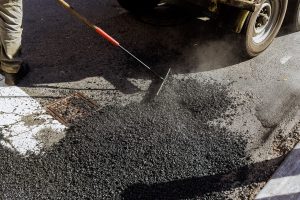
Surface fading and deterioration is typical with the powerful sun and UV rays of Palm Beach. UV-resistant materials wear well and don’t fade as soon. Asphalt treated with UV-blockers or special concrete mixes are both good bets. Reflective coatings assist in lowering the surface temperature, making the driveway cooler to the touch and less prone to cracks.
Working in the cooler months, late fall or early spring can produce better results as some materials cure optimally out of direct, extreme heat. The installation crews have an easier time getting a smooth finish if the surface is not blazing hot.
Sun damage, which can appear as light spots, hairline cracks, or loose surface pieces, requires frequent inspections. When you catch these early, you can reseal or patch before the damage proliferates.
Salt Air
Palm Beach’s salty coastal air speeds up corrosion. Standard rebar or metal fixtures in driveways can rust fast. Picking corrosion-resistant options like epoxy-coated rebar or composite mesh will keep the structure sound. For the surface, top-quality sealants are a must.
These block salt from soaking in and slow down wear. A straightforward design, such as a clean brushed finish, is simpler to wash and seal frequently. This reduces maintenance time and expenses.
The Palm Beach climate means driveways near the beach or main roads require routine rinsing to eliminate salt. Even simple weekly hose downs every couple of weeks will keep salt from building up and causing damage.
Heavy Rain
- Drainage Planning: Good drainage is key. Slope check, French drains and catch basin clearance. A driveway needs to roll away from the house with a minimum 2% grade to direct water off fast. French drains or trench drains help move water out after heavy rain, like we see in Palm Beach storms.
- Material Choice: Permeable pavers or porous asphalt let water drain through the surface, which stops pooling and reduces slip risks.
- Maintenance: Keep driveways clean and fill any small cracks before storms. This prevents water from seeping underneath and causing greater problems such as potholes or subsurface washouts.
- Timing: Resurfacing before the rainy season, usually late spring, gives new surfaces time to set well before heavy rains come.
Resurfacing Materials
Our driveway resurfacing materials in Palm Beach must endure local weather, salt air and abuse. The correct answer varies depending on considerations such as maintenance, aesthetics, cost and even HOA restrictions. Here are the key resurfacing materials and finishes in this area.
1. Concrete Overlays
2. Decorative Finishes
3. Cool Decking
4. Permeable Pavers
Concrete Overlays
Concrete overlays are a popular option for resurfacing aging driveways. These overlays, like acrylic or polymer blends, go right on top of old concrete, repairing cracks and worn areas without having to tear it all out.
Textured overlays may be finished smooth or rough, which decreases the chance of slipping when wet and withstands Florida’s salt air and rain. Several overlays are available in color, allowing homeowners to fit their style or comply with neighborhood regulations.
For driveways in storm areas, reinforced overlays provide additional strength and are impact rated. Homes and small businesses in Palm Beach count on overlays to save time and expense getting a new look. If sealed and cleaned on a regular basis, overlays can last longer than bare concrete in brutal coastal environments.
Decorative Finishes
Decorative finishes add a lot of style to a driveway. Stamped concrete looks like brick, tile, or stone, but costs less and requires less maintenance.
Staining provides color that complements landscaping or paint on your home. Some HOAs restrict bright stains or bold patterns. There are even eco-friendly stains and sealers for those that want green options.
These finishes allow homeowners to craft one-of-a-kind designs while maintaining a non-slip, easy-to-clean surface. Regular sealing makes decorative finishes stand up to sun and salt fade, for a Palm Beach truly timeless choice.
Finishing techniques are versatile. They can be used in conjunction with overlays or individually for new installations. This flexibility is crucial for driveways that must conform to both aesthetic objectives and municipal regulations.
Cool Decking
Cool decking materials for Palm Beach heat. These paints reflect sunlight, decreasing surface temperatures and actually making driveways cooler to walk on during hot months.
Cool deck surfaces are slip-resistant, perfect for by the pool or in covered driveways with high humidity. Offered in various light colors, they merge into tropical landscapes and minimize heat soak.
Premium cool decking withstands torrential rain, salt air and foot traffic and is easy to wash with mild soap and water. This finish is a go-to for comfort-seeking, safety-conscious homeowners all over the country.
Permeable Pavers
Permeable pavers solved drainage issues in Palm Beach. These pavers allow water to pass through, minimizing runoff and conserving local watercourses.
They’re available in a variety of shapes, patterns, and earth-tone colors to complement most home styles. Permeable pavers are environmentally responsible, promoting healthy soil and plant growth adjacent to the driveway.
There are fewer puddles and less erosion, which means upkeep is minimal. Opting for permeable systems is a wise decision for individuals who desire a green driveway that satisfies both city codes and environmental demands.
The Right Timing
Selecting the appropriate timing for driveway resurfacing in Palm Beach makes a significant difference in terms of both the procedure and the outcome. Our southeast climate, a blend of sun, humidity, and hurricanes, makes timing not only a matter of convenience but a matter of safeguarding your investment and maximizing your home’s results.
Understanding when to time work prevents moisture issues, surface cracking, and early wear. Good timing guarantees the resurfacing materials dry as they need to, providing a longer life for your driveway.
Dry Season
Dry months, generally late winter through spring, are optimal for driveway resurfacing in Palm Beach. During this time, rain is infrequent and temperature fluctuations are minimal, which is perfect for properly setting asphalt or concrete.
Paving crews prefer spring and fall for the majority of jobs because the weather is mild, allowing materials to cure evenly and adhere better to the base layer. Selecting a dry spell protects against rain pulling new ingredients, which create new cracks or unevenness.
In dry season, the air’s humidity remains low and the soil is less moist. This is important because moisture underneath can cause lifting or soft spots. If you book resurfacing in advance during these months, you’ll get a smoother job with less delay.
Homeowners who time their new driveways for the dry season experience greater longevity, cleanliness, and reduced maintenance. When selecting dates, seek out stretches with sun and consistent highs in the 70s or 80s predicted.
Steer clear of overly hot days because when temperatures become too high, the asphalt can become too soft and difficult to spread. Many paving crews get out there early in the morning to avoid the scorching midday heat, particularly in late spring. If you’re unsure, have your contractor help pick a week with the best weather window.
Hurricane Season
Hurricane season, running June through November, presents a unique set of problems for Palm Beach driveways. Downpours, winds, and flooding can deteriorate surfaces, so it’s wise to schedule resurfacing before the storms hit.
By addressing cracks or holes early, you reduce the chances of water seeping underneath and causing big damage when the storms come. You can prepare by scoping out your driveway each spring and repairing damage prior to the hurricane season.
This might involve sealing small cracks, leveling low spots, and applying sealant to ward off moisture. Wrapping the exterior fortifies it against high winds and flying debris, typical of summer storms.
Drainage is the name of the game when it comes to hurricane prep. Just remember to have your driveway slope away from your house and unblock drains or gutters.
Some additional drainage channels or gravel strips direct water off the surface and keep puddles from forming, which prevents water from soaking into the base.
Local Regulations
Driveway resurfacing in Palm Beach has layers of local regulations. Homeowners must satisfy their HOA’s and adhere to Palm Beach County codes. They are there to ensure neighborhoods remain safe, attractive, and uniform. If you don’t comply, you could be fined or have disputes or trouble if you sell your home.
Below is a summary table highlighting typical HOA rules and County code requirements:
|
Regulation Type |
Key Focus Areas |
Examples/Details |
|---|---|---|
|
HOA Rules |
Aesthetics, Approvals, Communication |
Approved colors, design limits, prior written consent, neighbor notification |
|
County Codes |
Safety, Materials, Methods |
ADA compliance, permitted materials (asphalt, concrete), setback requirements, drainage standards |
HOA Rules
Every HOA in Palm Beach has its own handbook. For the most part, they’ll have you go over their rules before you begin. These specify what kind of materials, colors, and patterns are permitted. Certain finishes may be banned or required to have a certain look to match the community’s image, at least according to some HOAs.
For example, you could have stamped concrete approved, but bright colors are not. If you don’t comply with these standards, you risk fines or having your non-conforming work forcibly removed.
You have to get written permission before breaking ground. This might involve plans, samples, or contractor information being submitted to the HOA board. Approvals typically take a few weeks. If you skip this step, your project can get stalled or you can get fined.
We recommend chatting with your neighbors about your plans. It maintains good neighborly relations and minimizes fuss about noise or interruption. This step shows respect and keeps things calm during construction.
HOAs usually desire designs that increase curb appeal. Easy, neutral patterns, either in pavers or brushed concrete, seem to be preferred. They aim to maintain driveways looking tidy, consistent, and in tune with the remainder of the street. Don’t forget to take a moment to measure your design against others locally.
County Codes
Palm Beach County codes offer technical guidelines for driveway resurfacing. They define what is acceptable, such as concrete, asphalt, or pavers, and how it should be installed. Projects need to be a certain minimum thickness, properly graded for drainage, and within your property lines.
Codes regulate accessibility, requiring driveways to be compliant with the Americans with Disabilities Act (ADA) when appropriate. Safety is a primary concern. County inspectors consider slip resistance, stormwater, and sight lines for vehicles exiting the driveway. Not meeting these standards can stop your work or push final approval back.
Local contractors know the ins and outs of Palm Beach codes. Hiring a licensed pro who works in the area means your project won’t run afoul of obscure requirements. They assist with the permit process.
Save all permits, approvals, and inspection reports. This paperwork is crucial if you sell the house or must demonstrate compliance in an insurance claim or dispute.
Professional Process
When you need driveway resurfacing in Palm Beach, it requires a professional process and expert hands to combat our local weather, sandy soils and typical moisture issues. A professional process guarantees the final surface is not only beautiful but durable, dealing with the intricacies of South Florida’s unique environment.
Using certified contractors with active licenses, $1 million liability coverage and proven expertise is essential for quality and peace of mind.
Surface Preparation
- Check out your existing driveway for cracks, potholes, or drainage. Catching these early helps keep from having deeper issues down the line.
- Pressure washers or commercial cleaners clean the surface. Scrape away dirt, mold, old sealants, and loose debris. Sand is the norm in Palm Beach, so additional cleaning might be necessary.
- Address any structural damage, such as crack repair or drainage. French drains or channel drains drain water away quickly and protect against moisture damage when the rains come down hard.
- Check for surface consistency, comparing sections to be sure the prep work is the same everywhere. This stage helps ensure the end product will be uniform and long lasting.
Material Application
- Prime if necessary, which gets the new surface to bond. Use the optimal thickness suggested by providers, typically no less than a quarter inch, to ensure your driveway holds up and is durable.
- Use trowels or sprayers to apply a resurfacing material, typically a polymer compound. Spraying reduces waste and is more environmentally friendly than rolling, which is a big local issue.
- Approach it in small areas to maintain an even finish. Palm Beach’s humidity and heat can impact the drying time of materials, so timing and technique are important.
- Brilliant contractors monitor weather and adapt techniques accordingly. For instance, placing material during cooler hours can avoid fast drying and subsequent cracking.
Curing and Sealing
- Let the new surface cure for anywhere from 24 to 48 hours depending on the product and weather. Rushing this step compromises the finish.
- After curing, seal the driveway with a premium sealant to guard against moisture, UV rays and wear. This is crucial in Palm Beach, where both sun and rain are ferocious.
- I would suggest cleaning it at least a couple of times a year and resealing every two to three years. This avoids quick fading and premature decomposition.
- Educate homeowners that curing and routine sealing make the investment last and maintain a fresh, new-looking surface.
Conclusion
Palm Beach driveway resurfacing maintains your curb appeal and your ride! Salt air, rain, and heat erode even the finest concrete or asphalt. Local crews know how to patch cracks quickly and use top coats that withstand our crazy weather. Choose professionals who understand the county codes and utilize quality equipment. New surfaces distinguish your home on the block and reduce future repairs. Require fast response? Most jobs are completed in a day or two, so you avoid that extended delay. Rev up your curb appeal. Come on down for a driveway that pops and will last. Contact a Palm Beach driveway resurfacing team and find out how a simple resurface can uplift your pad.
Frequently Asked Questions
What are the main benefits of driveway resurfacing in Palm Beach?
Resurfacing enhances curb appeal, boosts property value, and extends the life of your driveway. It guards against the blistering Florida sun, torrential rain, and salt air of Palm Beach.
How does Palm Beach’s climate affect driveway resurfacing?
Palm Beach’s hot, humid, and rainy environment can cause cracks and fading. It creates a guard, so your driveway becomes extra resilient to sun, moisture, and salt damage.
Which materials are best for Palm Beach driveway resurfacing?
Concrete and asphalt are a hit because of their toughness. Certain homeowners select pavers for a chic appearance. These materials weather Palm Beach’s weather well and need less maintenance.
When is the best time of year to resurface a driveway in Palm Beach?
The ideal time is during the dry winter months, between November and April. This allows the materials to cure correctly and results in a more durable finish.
Are there local regulations for driveway resurfacing in Palm Beach?
Yes. As far as permits go, Palm Beach County really does require them for just about anything that’s resurfacing. Check with the local building department to ensure your project complies with all regulations.
How long does driveway resurfacing typically take in Palm Beach?
Typical projects require one to three days, depending on size and material. Weather can delay the timeline a bit.
Should I hire a professional for driveway resurfacing in Palm Beach?
Yes. Experts know local codes, have the proper equipment, and can deal with Palm Beach’s specific climate obstacles. This guarantees you a premium and durable driveway.