- Key Takeaways
- Palm Beach Benefits
- Local Challenges
- Material Selection
- The Process
- Future-Proofing Surfaces
- Choosing A Pro
- Conclusion
- Frequently Asked Questions
- What are the main benefits of resurfacing catwalks and driveways in Palm Beach?
- How does Palm Beach’s climate affect driveway and catwalk surfaces?
- Which materials work best for resurfacing in Palm Beach?
- How long does the resurfacing process usually take?
- How often should I resurface my driveway or catwalk in Palm Beach?
- Can resurfacing help prevent future damage?
- Why should I hire a local professional for resurfacing in Palm Beach?
Key Takeaways
- Palm Beach catwalk and driveway resurfacing increases curb appeal and property value. It uses decorative options that complement the area’s coastal vibe and adhere to local regulations.
- Premium resurfacing solutions tackle particular Palm Beach environmental factors, including UV rays, salt air, and humidity, keeping surfaces intact and secure.
- When you choose the right surface treatments, such as acrylic coatings, stamped overlays, or paver systems, you give homeowners an adaptable, economical option that is customized to their local weather and aesthetic desires.
- Expert surface preparation, application and sealing are important measures in ensuring these results last and future maintenance is kept to a minimum for Palm Beach residences.
- Advanced technologies like cool pavement and permeable options provide sustainable, future-proof solutions for Palm Beach’s hot and rainy climate.
- Homeowners should opt for trusted local contractors with deep portfolios, material knowledge, and glowing reviews to guarantee quality and dependable results.
Catwalk and driveway resurfacing palm beach means repairing worn walkways and driveways to maintain their safety and appearance.
The local weather with sun, salt, and rain breaks down surfaces fast, so most people desire resilient, slip-proof coatings that withstand heat and storms. Selecting the right materials and techniques for this zone is critical.
The following sections have steps, options, and tips for superior, longer-lasting surfaces that suit Palm Beach style.
Palm Beach Benefits
Resurfacing catwalks and driveways in Palm Beach is not just a facelift. In addition to complying with stringent zoning regulations and building codes in Palm Beach County, the process infuses actual, functional worth into residences and commercial establishments. The area’s sandy soil and humid climate make materials and finishing options critical.
1. Elevated Aesthetics
Decorative concrete overlays can transform bland outdoor areas. Patterns, embossed borders and dyed edging evoke the coastal vibe that distinguishes Palm Beach. Homeowners opt for soft sand tones or shells pressed into walkways, in keeping with the neighborhood style.
Tailored designs, like geometric scoring or faint mosaics, express individual style and remain locally appealing. Whether you want your home to pop or disappear, colored concrete, from light beige to deep slate, helps your home do just that. Spotless, landscaped driveways and catwalks help to capture attention from visitors or prospective buyers.
2. Increased Value
A pristine, contemporary driveway or walkway increases a home’s curb appeal and marketability. Focus buyers see new finishes, and in Palm Beach’s hot market, details sell. Resurfacing is a modern, cost-effective solution that extends the usable life of concrete and reduces future repair costs, attracting both buyers and investors.
For the long-range planner, a resurfaced area can add years to the property’s lifespan. Professional resurfacing provides an equally robust return, particularly when the project falls within the $1 to $12 per square foot range common for the region.
3. Enhanced Safety
Resurfacing evens out the cracks and bumps that make people trip and fall. Textured finishes, such as broom or aggregate, reduce the likelihood of slipping even in South Florida’s constant rain. Water management with slope adjustments and French drains that keep water from pooling is key when the sandy soil can shift or settle unevenly.
Care and maintenance, including resealing and salt rinsing, extend the safe use of walkways. In activity-filled zones, these precautions ensure safety for locals and visitors alike.
4. Superior Durability
Daily wear is tough in Palm Beach, from foot traffic to salty air. Top-of-the-line concrete overlays do not crack or fade, even with high humidity and sun. When prepped with the right materials, a resurfaced sidewalk lasts eight to twenty years.
Excellent drainage and maintenance, including resealing every few years, translates into less repair and more reliability. Tough, low-maintenance surfaces are a no-brainer for homeowners who want beauty to last with minimal stress.
5. Cost Efficiency
Resurfacing is usually significantly less expensive than ripping up and repouring concrete. With prices in Palm Beach ranging from $1 to $12 per square foot, most homeowners can discover an option suitable for their budget.
In the long run, permanent finishes translate to fewer repairs and less cash outlay. Certain firms provide financing, spreading out the expense and simplifying upgrades. Selecting hard, beautiful finished surfaces now can pay off big down the road.
Local Challenges
Catwalk and driveway resurfacing in Palm Beach translates into dealing with a specific set of local challenges that define each step of the project. The area’s climate, its soil and surroundings all contribute. High sun, salt air, and humidity will eat away at even the best concrete. Sandy soil and fast-changing weather throw in additional challenges.
Projects have to conform to local codes, to the climate, and take into account the area’s special blend of heat, storms, and ocean breeze. All of these challenges require strategizing and smart decisions in both materials and timing.
Sun Exposure
Palm Beach’s fierce UV rays deteriorate bare concrete, making it pale and brittle and prone to cracking. Sun protective finishes are important at this stage because they create a slim shield that protects the surface from direct sunlight. UV-resistant materials wear better and last longer.
For instance, tinted sealers or concrete mixes with special UV stabilizers maintain their color and do not chalk as well as plain concrete. Reflective coatings matter as well because they reflect sunlight and assist in maintaining a cooler surface, reducing heat stress and slowing degradation.
Regular sun damage inspections catch early warning signs, such as surface flaking or fading, allowing repairs to begin before problems escalate.
Salt Air
Palm Beach’s coastal air carries salt that attaches itself to concrete, accelerating wear and rust, particularly in spots where rebar rests close to the surface. Salt-resistant mixes or epoxy-coated rebar, for example, impede it, which is why pathways and driveways constructed with those materials last longer.
It’s smart to rinse frequently with fresh water—it washes away salt and prevents deposits that corrode the gel. Marine or coastal sealants provide a waterproof membrane that prevents salt intrusion and enhances surface resistance.
In Broward, projects must exceed heightened safety and environmental standards, which means selecting materials that extend beyond simple longevity.
Humidity
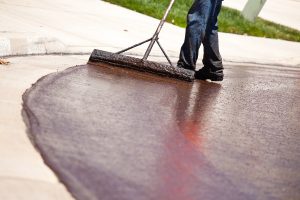
Palm Beach’s high humidity makes it prone to mold and mildew on concrete. Waterproof coatings, such as acrylic or epoxy sealers, prevent water absorption and reduce the growth of green or black stains. Proper drainage and ventilation are critical.
Bad grading or plugged drains hold moisture and accelerate surface deterioration. It encourages you to scrub counters frequently and search for slick areas or blackish patches that indicate mold has begun.
Pouring concrete at 50°F and above during the drier months, such as late fall or winter, allows for a superior cure and protects the finish from humidity.
It requires resealing, at a minimum, every couple to three years to combat rain, heat, and salt. Local challenges include checking local rules for resurfacing, permits, and inspections as a matter of course.
You might get fined if you skip these steps. Soil and weather factors influence the longevity of resurfaced concrete, particularly when sandy soils require additional measures to stabilize walkways.
Material Selection
Palm beach catwalk and driveway resurfacing materials must be chosen carefully due to the region’s hot, humid climate and sandy soil. Your choice not only increases curb appeal but ultimately affects durability, upkeep, and the bottom line. Homeowners need surfaces that endure Florida’s sun and summer storms and still meet their style and budget needs.
Environmental concerns are a factor as well; materials need to minimize runoff and be rugged enough to withstand local conditions without incessant maintenance.
Acrylic Coatings
Acrylic coatings provide a convenient way to revamp and protect outdoor concrete surfaces. These coatings adhere to existing concrete and provide a protective layer that resists fading, moisture, and minor surface damage. This makes them perfect for South Florida, where the sun and humidity can ravage unprotected surfaces quickly.
Homeowners love acrylics for pool decks, walkways, and driveways as they’re versatile. Acrylic coatings are simple to apply and generally dry in a few hours. This rapid drying means less down time and less disruption.
The spectrum of colors and finishes provides homeowners the flexibility to coordinate with their individual tastes from understated, neutral hues to striking, contemporary patterns. Resealing regularly is advised, and this low-impact upkeep makes concrete surfaces endure far beyond what they would otherwise.
The Process
Resurfacing catwalks and driveways in Palm Beach requires a methodical process. Every step requires craftsmanship and care to handle regional weather, terrain, and everyday wear. It’s a method that keeps walkways and driveways durable and beautiful, consistent with the region’s upscale sensibilities and weather requirements.
Here is a summary of how it works and why it matters.
- Assessment and Planning: Every project starts with a full site inspection. Experts check old surfaces for cracks, drainage issues, and wear. They measure the area, note trouble spots, and decide if a simple overlay will work or if more repairs are needed.
Planning includes picking the right time of year—late fall or winter is best due to fewer rainstorms and average temperatures above 50°F.
- Surface Preparation: Cleaning, fixing cracks, and leveling are critical. Experts use power washers to clean grime. Cracks are filled with flexible sealants, and uneven patches are leveled with concrete grinders or patching compounds.
Drying is very important; there should be no moisture before coatings are applied. Occasionally, pros suggest sloping surfaces or installing French drains to prevent water from pooling, a frequent issue in Palm Beach’s sandy soil.
- Application: Skilled workers spread overlays or coatings using trowels, rollers, or sprayers. They observe product directions because the wrong mix or thickness can spell early doom.
High-powered brushes lay on flat so you get even layers and nice finishes. For ornamental finishes, they could employ stamps or pigments. Hand labor is important because Palm Beach’s humidity can alter drying times and application requirements.
- Curing and Sealing: After application, the new surface must cure. This can require one to three days, with humid or rainy conditions lengthening the time frame. Homeowners should schedule up to a week prior to intense use.
It adds a sealant to help keep out moisture, salt, and sun damage, which is key in coastal areas. A good cure typically requires an additional 24 to 48 hours after the surface appears dry.
- Final Inspection and Care: Technicians walk the site to spot any flaws or weak spots. They test for drainage, texture, and thickness of the coating. Homeowners receive advice on cleaning and maintenance.
Maintaining with these steps will allow your surface to last longer and look better.
Surface Preparation
Surface preparation is the foundation of any quality resurfacing project. Any loose debris, oil stains, and moss need to be cleaned from the surface with power washers and stiff brushes. Once cleaned, cracks are filled with flexible epoxy or concrete fillers.
Workers grind down high spots or fill in low areas. This leaves the surface smooth and primed for paints.
Drying properly is key. Dampness can destroy adhesion, so professionals use blowers or air dry for a minimum of 24 hours. For Palm Beach homes close to the coast, we check and clean salt contamination to avoid long term complications.
A professional evaluation goes a long way in determining if you need special primers or bonding agents, particularly for concrete that is older or deeply scarred.
Application
There’s an art and science to applying resurfacing materials. They apply using squeegees, trowels, or sprayers, depending on the product and finish desired. Thicker overlays may require two coats, while decorative finishes get stamped or etched after the first layer sets.
Make sure to follow manufacturer directions as mixing ratios and set times vary.
Artisans are a must, particularly in Palm Beach’s steamy heat. Workers have to really hustle to distribute them before the product hardens.
High tech gear, such as self-leveling spreaders and airless sprayers, accelerates the work and guarantees an even coat.
Curing and Sealing
Curing traps in the strength and the durability. Most products recommend 24 to 72 hours of curing, but elevated humidity can extend that timeline. It’s clever to wait a day or two before driving or walking on the new surface.
Sealing is equally crucial and prevents moisture, UV rays, and chemicals from destroying the surface. In Palm Beach, where sea air and storms abound, a good quality concrete sealer is non-negotiable.
Homeowners need to heed any and all post-cure care tips, such as holding off on washing or setting heavy items on the surface.
Future-Proofing Surfaces
Catwalks and driveways in Palm Beach encounter hard sun, salt, and storms. Future-proofing those surfaces around here means utilizing intelligent techniques and materials that resist sun, water, and wear. With new thoughts in paving, improved protection, and consistent maintenance, it’s possible to maximize every dollar invested, increase property value, and minimize future repair work.
Cool Pavements
Cool pavements employ either light colors or special coatings that reflect sunlight rather than absorb it. This keeps surfaces cooler to the touch, which counts during Palm Beach’s brutal extended summers. By making walkways and driveways less prone to burn bare feet or contribute to urban heat, they make things more comfortable for us all.
They use reflective stone or sealant mixes. They can reduce surface temperatures by more than 20°F on a hot summer day compared to conventional blacktop. That means less heat is flowing into surrounding buildings, potentially even helping reduce air conditioning bills.
Less trapped heat is good news for our planet. Cooler surfaces can decelerate the increase of local temperatures, decrease air pollution, and alleviate city resource demands. For individual homeowners, retrofitting additional cool pavements is a tiny step toward a greener, more livable community.
Permeable Options
Permeable paving allows runoff to filter through cracks or gaps, nourishing plants and alleviating stress on storm drains. Being a rainy, flood-prone area like Palm Beach, this prevents puddles, runoff, and erosion. Examples include porous concrete, pavers with wide joints, or loose gravel over sand.
Not only do these selections help control stormwater, but this minimizes the possibility of swelling or cracks that can occur with trapped water. This translates into fewer repairs and an extended life for your driveway or walkway.
They don’t only perform, they perform with style. A lot of permeable surfaces are designed in colors and patterns that complement lush Florida landscaping. Homeowners can select choices that complement their homes and sustain a healthier environment.
Advanced Sealants
They do more than slap a new sealant over the top. They bond deep into concrete or stone, blocking water, salt, oil, and even UV rays. In Palm Beach’s moist climate, this prevents mold, staining, and surface deterioration. The right sealant keeps driveways smooth and bright, year after year.
Picking the best sealant means checking what works with your surface: concrete, brick, or stone may need different formulas. The wrong type can shorten life or cause peeling.
With sealant and maintenance, South Florida surfaces can endure 8 to 25 years. Annually cleaning and resealing future-proofs slow wear, trims repairs, and keeps your property looking sharp.
Choosing A Pro
Choosing a catwalk and driveway resurfacing contractor in Palm Beach involves considering a few key points. Our local conditions, heat, humidity, and constant rain require more than a rudimentary knowledge. Quality work is not just a new surface; it includes better drainage, durable materials, and real value for your home.
When you want a job done well and done right, it involves comparing estimates, checking experience, and looking at real-world results.
Local Portfolio
Request that each contractor provide a portfolio of completed projects in Palm Beach. Photographs and site visits allow you to visualize their work. Look for smooth finishes, clean lines, and attention to detail. Seek out projects that complement your home style and scale.
Palm Beach experience is key. Local pros understand just how the sandy soil and salt air play havoc on materials. They understand how things like drainage and grading behave after a really good rain. This knowledge enables them to sidestep errors transient folk may overlook, such as not sloping a driveway just so for water to drain off.
A wide portfolio demonstrates scope. With a company that’s revived everything from tiny catwalks to expansive driveways, your unique needs are covered. It demonstrates they can handle stamped concrete, pavers, and colored finishes, which are typical in Palm Beach.
Select a professional. They will know community guidelines, local permitting, and which styles boost curb appeal. A resurfaced drive can add to property value, particularly when the look suits the area.
Material Knowledge
Find a contractor willing to discuss specifics, such as concrete types, sealants, and finishes. They ought to demystify why some mixes don’t stand as long in Florida’s heat and why pouring over 50°F is critical for set strength.
What’s current counts. Inquire about innovations such as environmental-friendly additives or non-slip coatings.
You want guidance for your project. Case in point: Stamped concrete can last up to 25 years with the proper maintenance. A pro can assist you in determining if you want the basic resurfacing or the more high-end options by explaining costs ranging from $8 to $18 per square foot for stamped concrete.
Ask about drainage questions as well. Really smart pros recommend French drains or slopes to keep water from pooling. This is a necessity in Palm Beach.
Client Reviews
See what Palm Beach clients have to say about us! Detailed feedback reveals whether the contractor keeps promises, meets deadlines, and leaves the site clean.
Testimonials allow you to evaluate customer service and satisfaction. Select a pro with high ratings for both craftsmanship and follow-up.
A pro with a trustworthy reputation, demonstrated by years of positive feedback, is a more secure choice. Seek a minimum of eight years of demonstrated work in the field.
Referrals are important. Talk to neighbors or friends who did their projects. Word of mouth from trusted sources usually results in fewer surprises.
Conclusion
Nice catwalks and driveways in Palm Beach resurface fresh catwalks and driveways in Palm Beach to keep homes sharp and keep folks safe. Sun, rain, and salt erode old surfaces rapidly. That’s the difference between quick fixes, which fade, and professional resurfacing, which lasts. Select the perfect blend of concrete, pavers, or cool sealers to outsmart heat and soak. Look out for cracks, dips, or stains, and pounce on repairs fast. Local experts understand the dirt, the climate, and the community regulations. They work quickly and clean, so your spot shines and lasts. When you want your drive or walk looking great, call an experienced Palm Beach team. Ask them what works best for your spot and your budget. Your curb will thank you and your feet.
Frequently Asked Questions
What are the main benefits of resurfacing catwalks and driveways in Palm Beach?
Resurfacing enhances curb appeal, has a long-lasting life extending the surfaces and makes your driveways safe. In Palm Beach’s climate, it helps resist damage from humidity, salt and sun.
How does Palm Beach’s climate affect driveway and catwalk surfaces?
Palm Beach’s heat, rain, and salty air wreak havoc with cracking, fading, and erosion. Resurfacing protects against these local weather obstacles.
Which materials work best for resurfacing in Palm Beach?
Concrete, pavers, and premium asphalt are favorites. They endure local sun, storms, and salt air while providing a fashionable, long-lasting surface.
How long does the resurfacing process usually take?
The majority of catwalk and driveway resurfacing palm beach jobs can be completed in one to three days depending on the size and material selected.
How often should I resurface my driveway or catwalk in Palm Beach?
Resurfacing should be done around every 8 to 15 years, depending on use and weather exposure. Routine upkeep can stretch that period.
Can resurfacing help prevent future damage?
Yes. Using state-of-the-art resurfacing equipment and materials, we seal surfaces, preventing cracking, fading, and erosion from Palm Beach’s harsh climate.
Why should I hire a local professional for resurfacing in Palm Beach?
Local pros know Palm Beach codes, climate, and materials. They take care of their work quality and it’s built to last in the area’s unique environment.