- Driveway Cracks
- Pool Deck Damage
- Patio Resurfacing
- Walkway Leveling
- Foundation Settling
- Salt Air Corrosion
- Humidity Intrusion
- Hurricane Readiness
- Subtropical Sun
- Shifting Sandy Soil
- Heavy Rainfall
- Landscaping Roots
- Epoxy Injections
- Polymer Overlays
- Concrete Leveling
- Waterproof Sealants
- Spalling Repair
- Crack Sealing
- Cap Restoration
- What are common signs that concrete needs repair in Boca Raton, FL?
- Why is timely concrete repair important in Boca Raton?
- How does Boca Raton’s climate affect concrete structures?
- What concrete repair methods work best in Boca Raton?
- Why is seawall and dock integrity important in Boca Raton?
- Do I need to follow local codes for concrete repairs in Boca Raton?
- How can I find a trusted concrete repair contractor in Boca Raton?
Key Takeaways
- Specialized knowledge of our local conditions is necessary for concrete repair in Boca Raton, FL. Humidity, salt air, hurricanes, and sandy soil all play a role in how concrete structures last and perform.
- Timely repair of cracks, spalling, and surface damage on driveways, pool decks, patios, and walkways goes a long way to keep you safe, preserve the value of your property, and meet local building code requirements.
- Expert evaluation and application of expert technologies like epoxy injections, polymer overlays, and concrete leveling is the best path for hard-wearing, permanent repairs specific to every problem.
- Tough components and protective layers, such as waterproof sealants and UV-resistant coatings, are vital in enduring Boca Raton’s subtropical climate and coastal exposure.
- Routine inspections and preventative maintenance, particularly for seawalls and docks, mitigate expensive repairs and maintain structural integrity in marine zones.
- In short, hiring licensed, experienced concrete contractors who know local regulations will guarantee code compliance, minimize risks and deliver the best results for Boca Raton homeowners.
Concrete repair boca raton, fl refers to repairing cracked, pitted or worn spots on driveways, patios, or walkways as a result of Florida’s intense rain, sun and salt air. Householders and building managers frequently struggle with spalling, uneven slabs or water leaks.
Neighborhood squads apply patching mix, sealers and rebar for tough, resilient results. Knowing the proper repair and who to call keeps concrete secure and tidy.
The next section further deconstructs repair steps.
Boca Raton Concrete Repair
Boca Raton concrete repair is not just about patching cracks. With constant sun, salt air and rain showers, local surfaces experience singular strains. Like most homes and businesses in the region, driveways, pool decks, patios, and walkways are used on a daily basis. Little issues, such as chips or cracks, can expand quickly if not repaired with caution.
Selecting the appropriate repair service, materials, and methods for maintaining concrete secure, durable, and attractive is important. Check out the table below for a comparison of typical Boca Raton repair services and methods.
| Service Type | Common Problems | Repair Methods | Material Durability | Typical Uses |
| Crack Repair | Cracks, chips | Epoxy injection, patch | High (if quality) | Driveways, walkways |
| Resurfacing | Fading, wear | Overlay, microtopping | Very high | Patios, pool decks |
| Leveling | Uneven slabs | Mudjacking, slab lift | Moderate to high | Walkways, sidewalks |
| Foundation Repair | Settling, shifting | Piering, underpinning | Very high | Home foundations |
| Sealing & Cleaning | Stains, moisture | Power wash, sealants | High | All concrete surfaces |
1. Driveway Cracks
Boca Raton driveways crack from changing weather, shifting soil or just daily wear. Ignoring these cracks can reduce a home’s value and become tripping hazards. If cracks radiate, water can infiltrate, compounding the damage over time.
High-quality patching materials or epoxy can help restore the driveway’s strength and extend its life. Prompt repairs prevent additional crumbling and maintain the driveway safe for both vehicles and pedestrian traffic.
2. Pool Deck Damage
Our pool decks are under attack from sun, rain, and pool chemicals, all of which cause cracks and wavy uneven surfaces. Damaged decks are dangerous, causing slips and trips. Repairing with overlays or resurfacing materials can repair the damage and give the pool a new updated look.
It’s smart to add a waterproof sealant, which protects the deck from Florida’s constant rain and pool water, maintaining a sturdy, slip-resistant surface.
3. Patio Resurfacing
Refurbishing a tattered patio can bring new life to your outdoor living spaces. You can select from stamped, stained, or broom-finished overlays for a new appearance. Resurfacing fixes cracks, faded spots, or rough patches and if done correctly can last for years.
We clean, repair, and then overlay, which makes your patio tough and easy to maintain!
4. Walkway Leveling
Level walkways are essential for secure navigation of any grounds. Sidewalks that have shifted can be repaired with mudjacking or foam slab lifting, both fast and clean. Maintaining flat walkways reduces the chance for trips and allows everyone, from children to seniors, to walk with ease.
Keep an eye out for pooling water or abrupt height changes—these are repair no-no’s.
5. Foundation Settling
Foundation settling can begin with small cracks or stuck doors. South Florida’s sandy soils can shift, causing the base to move and crack. Techniques such as piering or underpinning halt continued sinking and bring back stability.
Routine inspections prevent problems before they become costly. Boca Raton soil requires special care for concrete repair that sticks.
Why Repair Now?
Concrete repair Boca Raton is essential to helping your property be safe, attractive and durable. Our local climate—salt air, humidity, storms—beats up on surfaces. Concrete develops cracks and chips over time, and if these minor problems aren’t repaired promptly, they can begin to require major, expensive repairs.
In addition, damaged concrete increases the danger of trips and falls, particularly near walkways and homes. For homeowners, patching cracks and chips immediately can maintain surfaces in a nearly new condition, which is critical for both curb appeal and home value. Repairing now can add thirty years or more to the life of a driveway, patio or sidewalk, making it a smart long-term move as well.
Salt Air Corrosion
Living on the coast in Boca Raton, concrete is always subjected to salt air. Airborne salt water permeates the pores of the concrete, accelerating corrosion of the steel rebar within. This, over time, causes cracks, spalling, and weakened surfaces.
Corrosion can be difficult to detect until the damage is severe. To prevent this, corrosion-resistant rebar or sealants are effective.
- Wash down outdoor concrete often to cut salt buildup
- Use sealers made for salt air exposure
- Pick concrete mixes with corrosion inhibitors
- Check concrete for rust stains or cracks once every three months.
If you’re building or repairing, opting for salt-resistant materials is crucial. Concrete mixes with corrosion inhibitors and premium sealers can extend the life of the surface. Over time, the unchecked effects of salt air lead to more repairs, greater expense, and greater risk of structural damage.
Humidity Intrusion
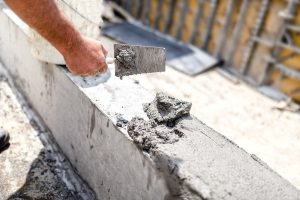
Boca Raton’s humid climate draws moisture into concrete all year long. This moisture can lead to swelling, cracking, and even the growth of mold or mildew. It is particularly important for surfaces exposed to the elements, such as patios and pool decks.
Moisture in the concrete eats away at its core and the concrete becomes more prone to crumbling or deep cracks. Waterproofing treatments can help hold the dampness out. Installing adequate drainage around the home prevents water from pooling against concrete, which aids in preventing moisture damage.
Waterproofing may be several things, like coatings, membranes, or mixes with water-resistant additives. Continual inspections for dampness or changes to the surface can detect problems early, allowing homeowners to step in before real damage occurs.
Hurricane Readiness
We’ve got hurricane season breathing down our necks here in Boca Raton. Durable, properly maintained concrete helps shield houses from wind and water harm. Cracked or loose concrete is significantly more likely to fail during a storm.
Sturdy concrete floors can prevent walls and walkways from buckling or crumbling when battered by strong winds or flooding. When repairs are delayed, little imperfections become structural vulnerabilities in a significant storm.
- Fill cracks and holes before the season starts
- Strengthen edges and joints with additional steel or fiber mesh.
- Apply water-resistant sealers for added protection
- Inspect for loose or sunken slabs and reset as necessary.
Staying on top of repairs ensures surfaces can withstand severe weather and minimizes the chance of extensive damage. Repairing in advance means less post-storm repair.
Boca’s Concrete Killers
Boca Raton’s cocktail of sun, rain and sandy soil is brutal on concrete. Concrete can easily last over three decades when properly installed. Our local environmental conditions cause cracks, chips and necessary repairs. Understanding what causes these issues allows homeowners to make informed decisions regarding repairs and materials.
Subtropical Sun
About Boca’s Concrete Killers. UV rays attack the surface and cause fading, surface dusting, and ultimately cracking. Driveways, patios, and other outdoor installations are usually the first to exhibit symptoms such as color fade, dry patches, and surface cracks. Small imperfections eventually become big problems.
Sealants are one of the best ways to block UV damage. Special sealers designed for hot climates can help retain the color and reduce surface temperatures, helping keep the area cooler for bare feet and furry friends. Boca’s Concrete Killers stamped concrete is all the rage, but without the appropriate UV-resistant finish, it fades fast in the Florida sun.
Sun exposure makes concrete last a shorter time, so choosing UV-resistant materials and planning routine resealing every few years are critical measures for long-term value.
Shifting Sandy Soil
Boca’s sand base tends to shift, putting pressure on concrete, which results in cracked and uneven slabs in walkways, driveways, and pool decks. Sandy soil doesn’t retain water easily, so it shifts more during storms or droughts, resulting in shifting or dipping concrete overhead.
Soil stabilization is important before a new concrete pour. Boca’s Concrete Killers Adding compacted gravel or using geo-grid reinforcement can help keep the base firm. For fixing, contractors can use slab jacking or foam injection to lift settled surfaces.
Without a full site check first, new projects risk the same future problems. Having a soil test done prior to beginning identifies potential trouble areas and allows you to prevent expensive fixes down the road.
Heavy Rainfall
Being in South Florida, with its near-daily torrential downpours, can wash away any concrete or make water pool, weakening the surface. Standing water seeps into small cracks and widens them as it cycles through wet and dry periods.
Putting in and maintaining healthy drainage is a must. French drains, sloped grading, and cleaning gutters will keep water moving away from concrete. Epoxy injections and resurfacing patch water damage.
Upkeep such as crack sealing and debris removal prolongs the life of driveways and patios. Turning a blind eye to water issues nearly always translates to increased repairs down the road.
Landscaping Roots
Tree roots are the bane of concrete slabs. Sidewalks, patios, and pool decks are particularly vulnerable. Even tiny roots can eventually push concrete up and create trips and ugly seams.
Barrier systems, root pruning and smart plant choices stop damage before it begins. Planning your landscaping with enough distance from concrete or picking slow growing trees is a good start.
Inspections detect root problems early, saving you money and keeping your concrete looking great for years to come.
The Right Fix
Concrete repair Boca Raton requires a combination of exact techniques, careful material selections and expert evaluation. Because of the city’s warm, humid climate and sporadic heavy rain, concrete surfaces are prone to cracking, chipping or developing surface pits. The most effective solutions begin with identifying the cause of the damage, whether it’s soil shifting, tree roots or heat expansion.
The secret to durability is professional-grade repair materials optimized for Florida’s special subtropical climate. Fixing cracks, trip hazards and surface wear up front keeps bigger, more expensive problems at bay down the road. Fixes such as patching flaked patios or resealing joints keep surfaces safe and looking good, but some repairs require repetition as wear and tear accumulate.
Epoxy Injections
Epoxy injections are great for repairing thin cracks in concrete walls, driveways, or slabs. The liquid epoxy saturates this void, adhering the two sides and returning it to structural integrity. This technique is particularly useful for settling soil or minor movement-induced cracks that haven’t resulted in significant slab displacement.
The procedure consists of cleaning the crack, pumping the epoxy in under pressure, and sitting back while it cures. Epoxy fixes are optimal when the objective is to halt cracking propagation and prevent water intrusion. They’re not a magic bullet. Sometimes deep or shifting cracks require alternative solutions, but for countless Boca Raton properties, epoxy is a powerful initial measure.
Polymer Overlays
Polymer overlays transform tired patios, pool decks, and walkways and reinforce the surface. These overlays combine polymers and cement to create a thin, resistant layer over the aged concrete. They’re great for camouflaging pitting, light spalling, or surface stains.
It begins with surface prep, a primer coat, and then troweling or spraying the overlay. Once cured, the overlay resists UV rays and humidity, perfect for South Florida weather. Homeowners rave about overlays for their selection of hues and feels, but regular cleaning and sealing keep them looking good. They function for both simple fixes and embellishment projects.
Polymer overlays are perfect for everything from pool decks to driveways, and their slip-resistant coatings increase safety, which is a benefit in active households.
Concrete Leveling
Concrete raising prevents tripping and loss of use. Common methods include:
- Slabjacking—Pump grout under the slab to lift it back into place.
- Polyurethane foam injection—Inject expanding foam to gently raise the slab.
- Grinding—Shave down high spots for minor unevenness.
Leveling extends the life of sidewalks, driveways, and garage floors by preventing cracks from propagating. Boca Raton homeowners often require leveling where soil settling or roots have created uneven walkways. Quick fixes make outdoor spaces safe.
Waterproof Sealants
Sealants seal out rain, pool water, and humidity that can soak the concrete. Acrylic and silane/siloxane sealers are standard choices, with acrylic for aesthetic surfaces and silane/siloxane for penetrating and long-lasting protection. Sealing every few years prevents water from getting in and freeze-thaw cycles from cracking the concrete.
In Boca Raton, this step is crucial due to high rainfall and salt exposure near the coast. Waterproofing prolongs the life of patios, pool decks, and driveways, reducing repair costs and keeping surfaces looking their best.
Seawall & Dock Integrity
Seawalls and docks frame the Boca Raton waterfront, and not just with access and function. They provide essential protection to your property. Their integrity keeps the homes and businesses along the coast protected from erosion, soil shifts, and tidal surges from hurricanes or heavy storms.
Routine maintenance and marine-grade materials are key where saltwater, sun, and weather extremes put concrete to the test each day. Whatever repairs must be made, inspections or maintenance should follow local codes and environmental guidelines, with qualified contractors handling all planning and installation.
| Common Issue | Typical Signs | Repair Options |
| Spalling | Flaking, chipping, cracks | Surface patching, epoxy injection |
| Cracking | Visible splits, leaks | Polyurethane/epoxy sealing, routing |
| Cap Deterioration | Surface wear, erosion | Cap replacement, structural overlays |
| Corrosion | Rust stains, spall | Rebar treatment, protective coatings |
| Joint Separation | Gaps at seams | Joint sealants, structural ties |
Spalling Repair
Spalling is when the concrete surface flakes, chips, or peels. In Boca, this usually originates from salt intrusion, freeze-thaw, or a bad concrete mix. Spalling compromises the structure by exposing the interior steel to water and air, which accelerates corrosion.
Repair of spalled areas requires removing loose material, treating exposed steel, and spreading patch compounds or high-bond repair mortars. A fast fix prevents damage from going deeper and sidesteps pricier repair. Avoid spalling with marine-grade concrete, sealed surfaces, and proper drainage to keep water out.
Crack Sealing
Cracks allow moisture and salt to penetrate the concrete, damaging docks and seawalls alike. A seal protects the core and keeps it dry. Structural cracks, shrinkage cracks, and settlement cracks all need sealing, but methods differ.
Use epoxy injections for deep, load-bearing cracks and polyurethane for flexible or moving joints. Early sealing of new cracks prevents water intrusion, rust, and freeze-thaw damage. When routinely inspected and sealed, docks and seawalls last longer, minimize expensive repairs, and more effectively resist Boca’s coastal elements.
Cap Restoration
Seawall and dock caps protect the tops of these structures. Caps absorb most of the sun, waves and impact and can eventually crack or wear down. When caps break down, water creeps back into the composite below, accelerating deterioration.
Restoration is the process of going in, tearing out the damaged sections, pouring new concrete, and occasionally reinforcing it with fiber or steel mesh. Caps protect the remainder of the wall or dock, rendering their maintenance crucial. Expertly restored by seasoned pros, docks and seawalls stay strong, safe, and prepared for Florida’s shifting tides.
Local Code Compliance
Local code compliance for concrete repair Boca Raton, FL, isn’t just a bureaucratic checkbox; it’s protecting buildings and making sure they stay standing in this brutal coastal environment. South Florida’s building codes are tough, molded by years of storms and salt air. In this neck of the woods, any concrete pile, be it a home patio or a condo high-rise, has to comply with city and county specs.
For instance, Miami-Dade and Broward County buildings turning 40, and then every 10 years thereafter, require mandatory recertification. These aren’t just red tape; they’re designed to avoid life-threatening failures. When buildings flout code, the dangers are serious and expensive. Local code fines can be steep, but the bigger concern is safety.
Neglecting codes can result in concrete spalling, cracking or even collapse, as salt air and high humidity accelerate rust inside the rebar. Even in Boca Raton, where the coastal environment means steel reinforcement in concrete can rust fast, flake and grow, expanding and cracking the concrete which then weakens the entire structural integrity. Water leaks and bad drainage exacerbate the problem, allowing moisture to infiltrate and degrade the concrete from within.
Scheduled inspections mandated by local codes identify these issues early and assist in avoiding costly repairs or hazardous failures down the line. Approved contractors are a huge part of this. They’re familiar with the local codes, know what inspectors want to see, and apply the correct repairs to satisfy city requirements.
In Boca Raton, your licensed concrete repair contractor will inspect for rebar rust, patching cracks, and spalling. They’ll use components and craftsmanship that resist salt, humidity, and temperature. For instance, they might utilize South Florida’s epoxy coatings or sealants. Homeowners or building managers should always check a contractor’s license with the state and the city, making sure, too, that they have up-to-date insurance and a solid record of code-compliant work.
Missing this step will result in work that doesn’t pass inspection or survive until the next storm season. Homeowners should understand that maintenance isn’t a one-time deal. Local codes in Boca Raton need to be checked and repaired on a continual basis, as buildings get older.
Dealing with concrete cracks, rusted rebar or water leaking as soon as possible ensures buildings remain safe and up to code. Owners who stay on top of inspections and collaborate with certified pros help improve the bar for safety in their neighborhood.
Conclusion
Powerful concrete protects Boca Raton homes and businesses against storms, salt, and sun. Cracks and wear appear quickly in Florida’s heat and humidity. Local crews understand the soil, the codes and the best tools for the job. People around here appreciate a fast repair, avoid the delay and avoid massive costs later on. Concrete repair boca raton, fl A proper patch or pour ensures your spot remains secure, sharp in appearance and valuable. Want your place to endure? Touch base with a reliable local squad. Source: concrete repair boca raton, fl Contact a pro now for a competitive quote.
Frequently Asked Questions
What are common signs that concrete needs repair in Boca Raton, FL?
Watch for cracks, uneven surfaces, spalling, or water pooling. Rust stains and exposed rebar are red flags. Boca Raton’s humid climate accelerates damage.
Why is timely concrete repair important in Boca Raton?
Speedy repairs stop little cracks from becoming bigger. Boca’s coastal weather can rapidly escalate small repairs into expensive issues. Prompt attention to repairs keeps everyone safe and preserves value.
How does Boca Raton’s climate affect concrete structures?
Moisture, salt air, and heat can undermine concrete. These factors induce cracking, spalling, and corrosion. Routine upkeep is a must for staying power in this neck of the woods.
What concrete repair methods work best in Boca Raton?
Epoxy injections, resurfacing, and sealants work well here. In cases of extreme damage, replacement might be necessary. Select moisture and salt resistant techniques for optimal outcomes.
Why is seawall and dock integrity important in Boca Raton?
Reinforced seawalls and docks shield property from erosion and flooding. Boca Raton’s coastal storms and tides can create havoc and rapid deterioration without periodic inspections and repairs.
Do I need to follow local codes for concrete repairs in Boca Raton?
Yes, local building codes guarantee safe and long lasting repairs. Adhering to Boca Raton’s rules prevents fines and gets your work approved.
How can I find a trusted concrete repair contractor in Boca Raton?
Search for licensed and insured contractors with local experience. Look for reviews and inquire about previous Boca Raton work. Local know-how guarantees our repairs will survive our special weather.