- Key Takeaways
- Why Resurface
- Resurfacing Techniques
- Palm Beach Climate
- The Local Process
- Aesthetic Integration
- Smart Investments
- Conclusion
- Frequently Asked Questions
- What are the main benefits of concrete resurfacing in Palm Beach?
- Which resurfacing techniques work best for Palm Beach homes?
- How does Palm Beach’s climate affect resurfaced concrete?
- How long does the concrete resurfacing process take in Palm Beach?
- Will resurfaced concrete match my Palm Beach home’s style?
- Is concrete resurfacing a good investment for Palm Beach property owners?
- How do I maintain resurfaced concrete in Palm Beach?
Key Takeaways
- For concrete resurfacing in Palm Beach, it’s both frugal and fabulous. It replaces more expensive full replacement and takes care of cracked and unsafe concrete surfaces in a coastal climate.
- Choosing materials and coatings that resist moisture, salt air, and intense sun is crucial for durability in an area of high humidity and frequent storms.
- With decorative options like stamped overlay, spray textures, and custom stains, nothing says curb appeal like a functioning driveway, patio, or pool deck.
- Correct surface preparation, material application, and curing are key for achieving durable adhesion, an even finish, and long-lasting concrete resurfacing.
- Investing in professional resurfacing with heavy duty warranties and scheduled maintenance ensures what’s protecting your property is maximizing your return.
- Routine inspections, timely repairs, and proper sealants can keep your concrete safe and looking good in the unique Palm Beach environment.
Palm Beach concrete resurfacing is repairing old or damaged concrete to restore it to a new look and function. Local crews typically work with pool decks, driveways, and patios that become chipped or faded from the Florida sun and salt air.
Most jobs utilize coatings made for heat and slip resistance, which suits Palm Beach’s weather. Many homeowners select resurfacing to reduce costs and increase curb appeal and home value.
The next segment addresses process steps.
Why Resurface
Concrete resurfacing in Palm Beach is your best bet if you want to walk the fine line between restoration and budget. With the humid subtropical climate, salt air and intense sun, driveways, patios, and walkways wear faster in our region. Resurfacing keeps these surfaces secure, usable, and attractive, while sidestepping the hassle and cost of complete replacement.
Below is a table summarizing the benefits of resurfacing compared to replacement:
|
Aspect |
Resurfacing |
Replacement |
|---|---|---|
|
Cost |
Lower upfront cost |
High material & labor |
|
Disruption |
Minimal |
Significant |
|
Time |
Quick turnaround |
Long completion |
|
Longevity |
Durable with upkeep |
Durable |
|
Environmental |
Less waste produced |
More landfill waste |
Cost Savings
Resurfacing a concrete surface in Palm Beach is money up front because it utilizes the existing slab as the base. No ripping up old concrete and dumping it. Expert crews clean, patch, and overlay the surface, which lowers labor and disposal costs.
This keeps total project costs reasonable, particularly for areas as large as pool decks or commercial walkways. For instance, resurfacing can be less than half the price of a replacement, depending on the scope of repair needed.
There’s the property value boost that often follows a resurfacing as well. Brand new, pristine concrete finishes look new and clean, appealing to buyers and renters. Because resurfaced concrete is long lasting and resists future cracking, owners pay less to fix later.
With so many resurfacing choices, from straightforward overlays to finishes with flair, it’s easy to select the answer that suits your wallet.
Curb Appeal
Old, faded concrete weighs a property down. Resurfacing changes all of that by making patios, driveways and paths pop again. Homeowners can choose from stamped, stained or colored overlays that replicate stone, brick or even wood, providing a bespoke design without the exorbitant cost of those elements.
Decorative finishes breathe fresh life into exhausted surfaces. A stamped overlay on a front walk, for instance, adds punch to curb appeal and a warm invitation. Even simple resurfacing with a clean, one-color coat can do wonders.
These upgrades count in Palm Beach, where outdoor living reigns and impressions are everything.
Safety First
Cracks and uneven surfaces are more than just eyesores. They are dangerous. In Palm Beach, where humidity and flash rains accelerate wear, minor cracks can become tripping hazards. Resurface fills these holes and levels the surface, which keeps people from falling.
Most resurfacing products provide slip-resistant textures, which is great around pools or steep driveways. Well-maintained concrete helps keep walkways within code, limiting liability for property owners.
Opting for hard, weather-resistant surfaces leads to fewer repairs after a storm.
Weather Defense
Palm Beach’s climate is hard on concrete. Sun, salt, and storms test any surface. The right resurfacing system protects against all these dangers. Below is a table outlining common coatings and their weather-resistant properties:
|
Coating Type |
Sun Resistance |
Moisture Barrier |
Salt Protection |
Best Use Areas |
|---|---|---|---|---|
|
Acrylic Overlay |
High |
Moderate |
Good |
Patios, pool decks |
|
Epoxy Coating |
Moderate |
Excellent |
Excellent |
Garages, walkways |
|
Polyurethane |
Excellent |
High |
Good |
Driveways, high-traffic |
|
Cementitious |
High |
Good |
Moderate |
Entryways, steps |
Acrylic and polyurethane coatings resist UV rays, so the surface won’t quickly fade or deteriorate. Epoxy systems block moisture, which is paramount in a region with consistent rain and salty air.
Others are even designed to flex a little, minimizing the chance it will crack again in future temperature swings or storm surges. These enhancements add longevity to outdoor spaces and keep owners out of emergency repairs when the weather goes sideways.
Resurfacing Techniques
Concrete Resurfacing Techniques
Palm Beach concrete resurfacing is not simply repairing cracks or camouflaging imperfections. It’s about equipping surfaces with the ability to withstand the area’s intense sun, humidity and quick moving storms. Different approaches tackle both utility and aesthetics, providing residential and commercial owners options that match both their requirements and their wallets.
Every resurfacing technique has its unique strengths, whether it’s slip resistance or a luxurious appearance, and can be customized for patios, walkways, driveways or pool decks.
1. Stamped Overlays
Stamped overlays allow you to imitate stone, slate, or brick without the expensive price. Using a thin specialized concrete layer and then stamping molds into it, contractors create patterns and textures that appear and feel authentic. Choose from a variety of stylish designs to complement Palm Beach’s tropical flair or your personal preference.
This approach is trendy for patios and walkways, where wear and tear and curb appeal count. Stamped overlays resist weather swings and heavy traffic, and with scheduled maintenance, these finishes frequently sustain for ten years and beyond. Maintenance is simple: a quick rinse and reseal every few years keeps them fresh.
2. Spray Textures
Spray textures are applied quickly and are great for large pool decks or driveways. It applies the surface via spray gun, then trowel or roller to incorporate slip-resistant texturing that is essential in Palm Beach’s wet, humid climate. You receive great finish options, from knockdown to smooth, and the finisher hides seams.
These textures aid in non-slip, particularly around pools or outdoor areas that tend to be subject to rain. Treatment is fast, meaning downtime is brief, allowing you to return rapidly to everyday living. Spray textures are great on aged concrete, hiding imperfections and providing a new finish with less preparation.
They’re a clever option when you desire affordable, fashionable results.
3. Epoxy Coatings
Epoxy coatings provide a glossy, wear-resistant finish, most commonly used for garages or commercial spaces. These coatings are stain, oil, and chemical resistant. It’s easy to clean and they protect against the heavy foot and vehicle traffic found in these busy areas.
You can select from a variety of colors and finishes, including metallic or flake effects for a personalized style. The coating adheres firmly to the concrete, sealing out moisture and protecting against thermal cracking due to temperature fluctuations. With minimal upkeep, like sweeping and sporadic mopping, epoxy floors remain vibrant and durable for years.
4. Microtoppings
Microtoppings resurface tired concrete. The finish is slick, allowing you to create a chip-chip-chip-shiny contemporary look, perfect for indoor rooms or covered patios. You can even add stains or dyes for unique effects, so you have the freedom to get really creative.
Installation goes fast, and drying time is just hours, so your schedule won’t be disrupted for long. Microtoppings help seal out moisture, which can prolong the life of the surface with minimal maintenance.
5. Stains and Dyes
Stains and dyes inject vibrant color into otherwise bland concrete, allowing for infinite design possibilities. Whether you choose natural browns or vibrant blues or reds, you have the option to customize patios, entryways, or even kitchen floors.
Stains absorb into the concrete, providing a natural, variegated look with dimension and personality, and dyes provide more vibrant, solid colors. Both cover up imperfections and breathe new life into aged surfaces, frequently without having to rip out existing slabs.
Staining is quick and economical. The majority of work can be completed in just one day and there is no messy cleanup.
Palm Beach Climate
Palm Beach’s climate delivers a blend of heat, humidity, salt air and storms that contribute to concrete degradation and resurfacing. Resurfacing options here must consider the challenging local climate to ensure the work endures. Hot summers, salty breezes and hurricane risks have defined how we preserve concrete here.
Knowing this information helps homeowners and contractors select appropriate materials, schedule maintenance, and maintain outdoor spaces safe and attractive all year.
- Summer heat and sun can cause surface fading and cracks, so UV-resistant coatings are important.
- High humidity delays concrete curing, so quick-dry additives help.
- Salt air leads to more corrosion. Rust-resistant reinforcements and sealers work best.
- Storms bring driving rain and flying debris, so surfaces must be sealed and reinforced.
- Seasonal swings require adaptable upkeep such as resealing prior to hurricane season.
- Storm shifting can result in sinking around the base, so frequent inspection is important.
Salt Air
Salt in the air along Palm Beach’s coast accelerates corrosion and can eat away concrete quickly. It is crucial to select materials that endure salt, such as fly ash or silica fume mixes that resist surface spalling and premature rusting.
Protective coatings like epoxy or polyurethane sealants create a shield that prevents salt and moisture from getting to the slab’s steel reinforcement. Without these, rust can occur and cause cracks or even chunks of concrete to break off eventually.
Frequent maintenance is required, particularly for walkways and patios close to the ocean. This means washing off salt deposits and resealing every two to three years. Some contractors apply resurfacing products made for beachfronts, which tend to last longer in these harsh settings.
Intense Sun
Palm Beach gets intense UV rays year-round, which can cause colored concrete to fade and surfaces to get brittle. To slow this, UV-resistant coatings are a must. They help keep surfaces looking sharp and stop surface wear.
Lighter colors are often chosen because they reflect more sun, keeping patios and pool decks cooler to walk on. You’d be better off resurfacing at cooler times of the year. This brings coatings to cure better, bypassing bubbles or cracks from heat.
Good surface prep matters, grinding or cleaning well helps the coatings stick and work like they should.
High Humidity
Palm Beach Climate humidity holds moisture to your surfaces making patios slippery and mildew appear. Concrete mixes that are moisture resistant and vapor permeable are a better option in this context.
Drainage is important too. Sloped surfaces and drains will keep water from collecting and eroding coatings. Regular inspections can identify issues before they become a problem, such as mold or pitting.
Mending them quickly helps keep your resurfaced spaces safe and attractive for longer.
Storm Season
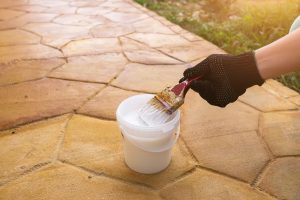
Hurricane season provides its own perils, including torrential rain, wind-driven sand, and airborne debris. Thick, rugged coatings can help concrete resist this. Sealing the cracks and joints prevents water from leaking in, which can cause slabs to lift or break.
Some come with additional reinforcement, such as steel mesh, to prevent sidewalks and driveways from shifting in storms. Scheduling resurfacing prior to storm season allows new surfaces time to cure and provides peace of mind for property owners.
The Local Process
Concrete resurfacing in Palm Beach requires a customized methodology formed by Florida’s coastal climate and rigorous local regulations. Regional requirements such as defense from salt air, heavy sun and high humidity have seasoned contractors mapping out each step meticulously. It’s a step-by-step process mixing practical expertise with local best practices.
From beginning to end, transparent communication between homeowners and builders is essential for an easy application finish and durable coat.
Surface Prep
A good resurfacing job begins with prep. Crews clean the slab, eliminating stains, dirt, and old coatings with pressure washers or grinders. Oil, leaves, and sand are typical in West Palm Beach and these have to be removed to ensure new products bond effectively.
Contractors patch cracks and spalling, particularly where salt air has nibbled on pool decks or driveways. They examine for severe harm, employing patching substances if required. At every stage, local crews select equipment that suits the job—shot blasters for large spaces and wire brushes for corners.
This thorough prep prevents future peeling and extends the life of the resurfaced slab.
Material Application
Once that base is clean and solid, it’s time to lay down the new surface. For the majority of Palm Beach projects, laborers apply polymer-modified overlay compounds or micro-toppings, which fare well in sun and sea air.
These mixes are mixed according to the manufacturer’s specifications with cool, clean water to prevent flash setting in the heat. Larger patios or pool decks may require power sprayers or trowel machines for even coverage.
West Palm Beach’s humidity and high temps result in crews keeping a close eye on the weather. Hot, damp air can slow down drying, so they may work early in the day. To prevent chemical runoff, local professionals deploy designated run-off drains with authorized discharge routes and barriers to safeguard drains and landscaping.
Curing and Sealing
Curing is key in West Palm Beach, where the weather can either hinder or accelerate hardening. Most work requires a 30-day cure before full utilization, but driveways could be finished for cars in three to five days.
Right after the cure, a sealant is applied to lock out moisture, block UV rays and slow salt damage. This step keeps pool decks and patios looking sharp for years.
Contractors guide owners through the curing window, detailing how to prevent stains or dents during this period. They all provide a care guide and regular check-ins, which with consistent care can extend the life of the new surface to 10 to 20 years or beyond.
Aesthetic Integration
Aesthetic integration of Palm Beach concrete resurfacing is about creating surfaces that fit in with your property and the surrounding area. It is a nice balance of form and function, providing value-added while maintaining a defined aesthetic. For Palm Beach homes, where curb appeal is critical and first impressions last a lifetime, the resurfacing method is an excellent way to either make your property stand out or blend in.
Design, color and finish options add to both appeal and longevity, providing owners with an enduring asset. Having it executed by adept artists guarantees the end result matches not only your taste but that of the community. Work is typically accomplished in a narrow time frame, occasionally within an hour or two.
Color Palettes
Selecting the appropriate color scheme defines a room’s ambiance and functionality. Homeowners love matching the resurfaced concrete to their home’s siding or roof or even to palm trees and gardens for a truly integrated aesthetic. Bold shades, such as slate blue or deep terra cotta, make patios or driveways pop, while gentle beiges and grays lend themselves to a peaceful, subtle vibe.
In Palm Beach, lighter colors are a wise selection for outdoor surfaces, as they reflect the sun, which helps keep surfaces cooler underfoot. Putting samples up on the wall before final application keeps surprises to a minimum and makes certain that the chosen shade will work with the space and your region’s climate.
Custom Patterns
Personalized patterns provide a unique flair to cement. These vary from geometric walkway grids to wavy coastlines in an organic shape, much like those favored in Palm Beach. Herringbone or basket weave patterns add dimension to patios and pool decks, providing a luxury appearance.
Not all contractors are created equal, and selecting someone who has a background in decorative applications is important. Patterns should complement the overall design scheme, connecting indoor and outdoor living spaces and keeping the property cohesive in both look and feel.
Finish Textures
Finish texture transforms how concrete appears and how secure and cozy it feels. Smooth finishes are best for indoor floors and contemporary patios, whereas a matte or lightly brushed finish has more grip, a necessity in wet outdoor areas surrounding pools. Rougher textures, such as broom or exposed aggregate, keep us from falling and fit Palm Beach’s rainy bouts.
Finish stamps can make concrete resemble stone or wood for up to 25 years, adding beauty and durability. For homes with lots of foot traffic, these finishes are both beautiful and durable, making maintenance a breeze for years to come.
Smart Investments
Concrete resurfacing in Palm Beach is not just a band-aid. It is a choice that can influence property value, curb appeal, and ongoing expenses for years to come. Local weather, property style, and material choices all count when considering options.
With smart investments, homeowners can experience healthy returns while staying on budget and thinking toward the future.
Do’s and Don’ts of Resurfacing Investments
- Do get multiple bids from licensed, insured contractors.
- Yes, select materials compatible with Palm Beach’s hot and storm-prone climate.
- Smart investments.
- Don’t ignore ongoing maintenance needs.
- Don’t cut corners on surface prep or sealing.
- Don’t pay in full before the job is done.
Long-Term Value
The main advantage of resurfacing is that it can literally add years to the life of concrete surfaces, particularly in places like Palm Beach where heat and storms take a toll on materials. A properly maintained resurfaced driveway can last 50 to 100 years, which is a great money saver.
Replacement tends to be way more expensive, both in up-front costs and in the disruption it causes. Resurfacing with quality, storm-resistant or permeable materials means less repairs needed in the future and a staying green footprint — smart for both the value of your property and the planet.
Pro services matter as well. As much as those DIY kits may look tempting, professionally trained crews provide the right prep, application, and curing. This results in a more durable, more handsome finish.
For high-traffic or high-visibility locations, this quality could mean the difference in your curb appeal and market value.
Maintenance Tips
- Wash your countertops with mild soap and water, not harsh chemicals.
- Seal every 2–3 years to block moisture and stains.
- Inspect for cracks, chips, or pooling after big storms.
- Fix small problems before they spread.
- Use mats or pads under heavy vehicles or equipment.
Homeowners who dedicate some time to learn these maintenance steps can give their investment years of added life. Spot checks after storms and regular cleaning help catch issues early.
For Palm Beach, where salt air and rain are hard on concrete, sealing is particularly important.
Warranty Insights
Warranty varies. Certain cover labor and materials for one to five years, whereas others might provide extended protection for luxury choices. Read the fine print.
Some warranties involve scheduled maintenance, and others cover specific types of damage. Reputation matters. Select contractors who provide not only strong warranties but who have a history of honoring them.
Request references and look up online reviews. Make warranties part of your decision, not an afterthought, to avoid surprises down the road.
Conclusion
Palm Beach weather really wreaks havoc on concrete. Salt, sun, and rain beat on driveways and patios hard. Resurfacing provides a fresh new look, stops cracks from spreading, and saves you money in the long run. Our local crews know the drill; they use mixes and sealers that work with the heat and the storms. New topcoats mix right in with South Florida style, from sleek light gray to loud colored finishes. They get fast results. You get more curb appeal and safer walking zones. For people thinking long-term, resurfacing means less stress and more bang for the buck. Want to maintain your place crisp and powerful? Contact a local pro and find out what suits your home or business best.
Frequently Asked Questions
What are the main benefits of concrete resurfacing in Palm Beach?
Concrete resurfacing rejuvenates beaten down surfaces, enhances your curb appeal, and increases longevity. In Palm Beach, it blocks the sun, humidity, and salt air while saving you money versus a complete replacement.
Which resurfacing techniques work best for Palm Beach homes?
Acrylic overlays, spray textures and stamped concrete are big favorites. Both methods stand up well to our local climate and give you a lot of design options. They resist both fading and cracking.
How does Palm Beach’s climate affect resurfaced concrete?
Palm Beach’s hot sun, humidity and salty air can take a toll on concrete. Top-notch resurfacing applies UV and moisture-proof materials that allow surfaces to endure longer in this tropical paradise.
How long does the concrete resurfacing process take in Palm Beach?
Majority of residential resurfacing jobs require two to three days. Depending on the weather and size of the surface, timing can be impacted. Local pros work as quickly as possible to limit disruption.
Will resurfaced concrete match my Palm Beach home’s style?
Yes. With resurfacing, you can have custom colors, patterns, and finishes. Or you can select styles that complement Mediterranean, coastal, or modern Palm Beach architecture.
Is concrete resurfacing a good investment for Palm Beach property owners?
Without a doubt. Resurfacing is cheaper than replacement, and it adds value by making everything look better and safer. It shields your investment from local weather damage.
How do I maintain resurfaced concrete in Palm Beach?
Every few years, cleaning and resealing maintains that new look. Clean up spills quickly and steer clear of harsh chemicals for optimum local climate performance.