- Key Takeaways
- Coastal Challenges
- Resurfacing Solutions
- Safety Considerations
- Local Regulations
- Budgeting Your Project
- Long-Term Maintenance
- Conclusion
- Frequently Asked Questions
- What are the main causes of concrete catwalk damage near coastal areas?
- What resurfacing materials work best for concrete catwalks in Ft. Lauderdale?
- How does resurfacing improve catwalk safety?
- Are there local regulations for resurfacing catwalks in Ft. Lauderdale?
- How do I estimate the budget for catwalk resurfacing?
- What is the expected lifespan of a resurfaced concrete catwalk?
- What maintenance is needed after resurfacing a catwalk?
Key Takeaways
- To combat coastal realities, choose UV and moisture-protected materials, maintain vigilance for saltwater and humidity damage, and utilize state-of-the-art surface preparation techniques to maximize concrete durability against Mother Nature’s elements.
- As we’ve said before, good resurfacing begins with good preparation, which includes cleaning, crack repair, and texturing for adhesion. After that, selecting wear-resistant, sustainable materials tailored to the project location comes next.
- By using professional application methods, closely monitoring temperature and humidity, and applying slip resistant and decorative finishes, you can greatly improve the safety and aesthetic of catwalks and walkways.
- Safety measures, including adequate drainage and compliance with international standards, protect workers and users during the resurfacing process.
- Navigating local regulations, obtaining necessary permits, and working with local experts aid in legal compliance and project efficiency regardless of where you are.
- Constructing a budget that accounts for material, labor, and permit rates, as well as planning for maintenance will help these resurfaced concrete surfaces perform well over time and be a cost effective solution.
Concrete catwalk resurfacing ft. Lauderdale
Almost all of them apply hard material like polymer overlays or Acrylic for traction and easy maintenance. Crews operate on dry, mild days so the surface cures nicely.
Owners and managers select resurfacing to keep their walkways safe, smooth, and up to code. Subsequent sections will highlight top tips, cost strategies, and how to select safe finishes for public spaces.
Coastal Challenges
Concrete Catwalk Resurfacing Ft. Lauderdale projects must face the harsh reality of coastal challenges. These locations combat humidity, salt water, and scorching sun. Sand, salt air, and moisture are always wreaking havoc. Frequent storms and rising sea levels add to the difficulties.
Palm Beach and Broward’s sandy soil sometimes causes concrete to sink or shift, endangering walks. Longevity, security, and sustainability are all interconnected. Planning and maintenance are essential.
Strategies for Addressing Coastal Challenges:
- Use waterproofing and barrier coatings to protect from salt.
- Pick materials with UV and moisture resistance for durability.
- Put in some nice drainage, French drains, or sloped surfaces.
- Schedule regular inspections for cracks, corrosion, and water damage.
- Choose resurfacing methods that meet environmental and safety standards.
- Design work with climate change and local ecosystems in mind.
Saltwater Intrusion
Saltwater can erode concrete, primarily by seeping inside and accelerating corrosion. Waterproofing products, such as sealants and membranes, aid in creating a watertight barrier that prevents salt from infiltrating into the steel and concrete underneath.
Epoxy coatings are another robust option. These form a dense barrier, preventing corrosive air and water from entering. Without this, salt can infiltrate and begin to deteriorate the surface from the inside.
Regular inspections must be carried out to detect early indications of corrosion. If they spot rust stains, surface bubbling or concrete flaking spots, those are signs to get moving.
Drainage upgrades, such as introducing slopes or French drains, help reduce the risk of water pooling and salt buildup. This strategy is essential to long-term success, particularly as climate change delivers harsher conditions to coastal regions.
High Humidity
High humidity wears down concrete fast, causing cracks and surface damage. Using moisture-resistant materials during resurfacing helps slow down this process. Polymer overlays are a good example.
These overlays stick well, stay strong in damp air, and hold up better than regular concrete. Inspections done every few months can find early problems before they grow. Quick fixes keep damage from spreading.
Good ventilation counts as well. Ventilation in tunnels or beneath covered catwalks assists in drying. A ventilated space leads to less trapped water and healthier concrete for years to come!
Intense Sun
Sunlight and heat break down concrete surfaces. UV rays can fade and weaken the top layer, while heat causes expansion and contraction, leading to cracks.
UV-resistant coatings slow this process and help keep surfaces looking new. Light colors are better at reflecting sunlight, so surfaces stay cooler and last longer.
Resurfacing during the cooler months eliminates heat-related issues, like fast setting or uneven curing. Teams look for cracks caused by thermal movement, repairing them quickly to prevent larger fractures.
This all contributes to making concrete catwalks last longer and remain safe to use.
Resurfacing Solutions
Concrete Catwalk Resurfacing Ft. Lauderdale can begin by way of a well thought out plan and checklist for the prep. All stages in this process work to prolong surface life, enhance safety, and keep pricing low relative to total replacement. Resurfacing is more than just fixing things. It is about enhancing worth, shielding from rough climate, and satisfying both practical and aesthetic objectives.
1. Surface Preparation
Step one – clean all concrete surfaces to eliminate dirt, oil, debris, and other contaminants. Any residual muck can prevent products from adhering properly, compromising the coating. Then, seal cracks and patch holes to preserve your top coat as smooth and safe to walk on. This minimizes hazards and maintains strength longer.
Resurfacing solutions grind or shot blast to roughen the surface. This step provides a superior grip to the new layer. Without it, overlays can delaminate or wear through prematurely. Once complete, let the surface completely dry. Missing this can catch moisture, leading to issues such as bubbling or adhesion failure down the line.
2. Material Selection
Selecting the right materials counts. For Concrete Catwalk Resurfacing Ft Lauderdale projects, you want to use products that are designed for the climate. Moisture, salt, and sun can break concrete down faster in Florida. Choose coatings that are chemical, weather, and UV resistant.
Polyaspartic coatings are a great option for durability and resistance to wear, with green solutions such as low-VOC overlays. As with our other products, be sure to always meet the material to the surface’s needs. Public walkways may require a different finish than a private catwalk or rooftop.
3. Application Methods
Professional application is essential for a durable, smooth finish. Spray, roller, or trowel all have their place. For large, open areas, spraying saves time and provides even coverage. Rollers are best for small spaces or when you need accuracy. Troweling is great for thicker coats or finishing textures.
Always read and follow the manufacturer’s instructions for mixing and applying materials, so the finish lasts. When you apply, watch the temperature and humidity. Excessive heat or moisture can impact drying and bonding, particularly in Ft. Lauderdale’s environment.
4. Finishing Touches
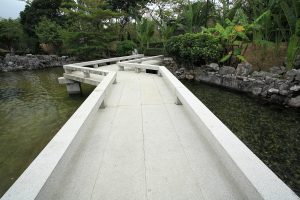
Coat with slip-resistant textures for safety, particularly on high-traffic walkways. This minimizes trip hazards and makes the environment safer for all. Seal against water, salt, and sun, as these are common problem areas due to our weather.
Decorative options such as colored dyes or stamped patterns enhance curb appeal and can complement virtually any style or design. At the end of the day, examine the surface and immediately repair any imperfections to preserve both aesthetics and structural integrity.
Safety Considerations
Concrete catwalk resurfacing in Ft. Lauderdale advocates safety first while working and long after the surface is complete. Lousy work or overlooking risks can cause injuries and lawsuits. Owners and project leads must be aware of what is potentially going to go wrong and how to prevent it.
Any catwalk or walkway that is uneven, cracked, or holds water can be hazardous to anyone who walks across it, particularly those who are physically impaired or visually impaired. The ADA has hard and fast rules for sidewalks and catwalks. For instance, any shifting of the surface more than 6 mm at a joint or crack is an infringement of these regulations and needs to be repaired immediately to prevent responsibility.
Routine storm or heavy-use inspections identify cracks, shifts, or rising slabs that can cause someone to trip.
Key safety tips for concrete resurfacing:
- Before you get started, always inspect your area for cracks, uneven slabs, or water pooling.
- Barricade the work space to prevent people from entering until the surface cures, typically at least 24 hours.
- Apply slip resistant coatings and include drainage to prevent water accumulation.
- Level uneven slabs with concrete leveling, which can save up to 75 percent over replacement.
- Repair any vertical lip exceeding 6 mm immediately to remain in compliance with ADA regulations.
- Ensure workers wear safety gear and adhere to all safety rules on-site.
- Inform owners on the dangers associated with aged or broken concrete and the importance of fast repairs.
Heat and/or proper drainage plays a big part in walkway safety. Water on the surface, even a thin film, is very slippery. This means drainage solutions might include subtle slopes, open drains, or porous surfaces that allow water to runoff or sink in.
This is crucial in wet locations or where water regularly puddles. Addressing drainage concurrent with resurfacing keeps the path safe for years and reduces the likelihood of new cracking or surface wear.
First install errors, such as subpar leveling or less than ideal base work, typically lead to raised slabs and fractures. These cause tripping hazards and require immediate repair to prevent further deterioration. Owners should be aware of these dangers and the importance of quick, professional service.
This is not just to prevent injuries, but to address legal requirements, as disregarding a recognized danger can invite lawsuits. Laborers need to abide by safety codes and deploy the proper equipment.
The site should remain closed except to staff until the new surface is safe for use. This makes the public safe. A couple of easy things like posting signs, using barriers, and training employees in good habits go a long way in securing the perimeter.
Local Regulations
Concrete Catwalk Resurfacing Ft. Lauderdale projects are driven by strict local codes that meet Florida’s specific climate and safety requirements. Local building codes are influenced by the weather here – high humidity, salt water from the coast, and rain run off. These factors imply that particular materials, such as polymer additives, must be incorporated to maintain resurfaced catwalks that are durable and long-lasting.
Local codes state that walking surfaces must withstand the maximum load they are intended to support, which means verifying the concrete’s thickness. In Fort Lauderdale, this typically falls between 115 and 180 mm, depending on whether the catwalk is intended for light pedestrian use or heavier.
Obtaining the necessary permits is essential for any concrete catwalk resurfacing Ft. Lauderdale position. Without them, you’re risking fines and delays. Permits assist in ensuring the work adheres to safety and quality standards. They involve a local inspector review of your plans.
These inspectors will seek specifics such as concrete thickness, reinforcement type, and drainage solutions. For instance, in Florida’s coastal cities, installers test moisture and dew points prior to putting on coatings. This prevents the surface from peeling or cracking as it cures. If you short circuit this process, your project may not get approved or it may fall apart prematurely from weather or excessive use.
Local contractors are important to consult. Contractors who work in Fort Lauderdale know the area’s codes and climate. They know what materials endure and how to construct guardrails in compliance with rules like OSHA 1910.29(b).
These regulations specify the height and strength for guardrails. For instance, the rails have to be a minimum of 107 cm in height and durable enough to withstand an 890 newton force. OSHA states that any holes or gaps in walking surfaces must be covered or guarded to prevent falls. OSHA 1910.28 (b)(i) mentions that if a walkway is 1.2 meters or higher, it must have guardrails. They safeguard all who traverse the catwalk.
It’s savvy to stay current on rule changes. Codes and standards can change quickly, particularly following storms or new safety research. A local contractor or city office can inform you about updates.
Following a moisture-related failure spike across Florida, a number of cities changed their regulations concerning pre-installation sealing and testing of surfaces. By keeping up, your resurfaced catwalk will be longer-lasting, safer, and compliant with the laws.
Budgeting Your Project
Budgeting a Concrete Catwalk Resurfacing Ft. Lauderdale project is to itemize every cost, account for unexpected hurdles, and select materials, labor, and permits wisely. There are several key steps to follow for a thorough and realistic budget:
- Check existing concrete for damage and record repairs.
- List out each project component: material, labor, permits, cleanup, and unplanned repairs.
- Obtain written proposals from a minimum of three to compare.
- Include a cushion for the unforeseen, such as additional repairs or weather delays.
- Include long-term upkeep costs in your budget plan.
- Track payments and save receipts during every phase of the project.
Material Costs
Material choice is one of the top cost drivers for concrete catwalk resurfacing in Ft. Lauderdale. The table below shows average prices and quality comparisons:
|
Material Type |
Price (per m²) |
Quality Level |
Bulk Discount? |
Notes |
|---|---|---|---|---|
|
Standard Overlay |
$32 – $75 |
Basic |
Yes (10%+) |
Most common, cost-effective |
|
$65 – $110 |
Higher |
Sometimes |
More color, design options |
|
|
Stamped Overlay |
$55 – $215 |
Premium |
Rare |
Mimics stone/pavers, labor-intensive |
Better materials can translate to lower maintenance and longer life. For large projects, bulk buying can save you up to 15 percent. Prices can fluctuate quickly, particularly if there is a surge in demand or a dip in supply.
Labor Rates
Labor is another big piece of the budget. Understanding rates and experience helps avoid surprises.
|
Contractor Experience |
Rate (per hour) |
Project Pricing |
Payment Terms |
|---|---|---|---|
|
1-3 Years |
$30 – $40 |
Flat or hourly |
30% up front, balance |
|
4-7 Years |
$40 – $55 |
Flat |
50% up front |
|
8+ Years |
$55 – $70 |
Flat |
Negotiable |
Verify contractor skill and previous work prior to selecting. Talk about timelines for payment and if the price includes all prep, repairs, and cleanup. For large or complicated work, anticipate higher costs and longer timeframes.
Permit Fees
Permit requirements are location-specific. Virtually all resurfacing work requires local approval.
In Ft. Lauderdale, see with the city or county for permits and fees. These expenses are generally minor but they do need to be in your budget. Certain projects require additional review if they include structural modifications or excavation.
Make sure your contractor has all his permits in place before the work begins. A permit you forgot can stall a project and add fines.
Long-Term Maintenance
Long-term maintenance is key for the durability and appearance of any concrete catwalk resurfacing Ft. Lauderdale project. Heat, high humidity, and brutal UV rays in Florida can accelerate concrete deterioration, which means you need a specific plan for maintenance. Proper maintenance not only keeps the surface safe and smart-looking, but reduces costs and mitigates the effects of local weather contributing to aging.
We use high-quality sealers appropriate for the climate so they will last much longer. A set maintenance routine keeps concrete fresh. Maintenance, things like resealing every two to three years, are tried and true methods of fighting water ingress and mitigating degradation from sun, salt air, and moisture.
For instance, property teams that apply a two-year reseal cycle tend to experience less cracking and spalling. Spalling, or surface flaking, and pitting, those pesky little deep marks, usually begin when water infiltrates the slab or salt from the air eats the surface away. These issues can be exacerbated in seaside locations such as Ft. Lauderdale, so adherence to a regimen is essential.
Frequent concrete checking is crucial. Walk the floor and check for hairline cracks, loose spots, or discoloration. Finding issues early means repairs are less expensive and can prevent major repair work. For example, sealing up a minor crack immediately prevents water from infiltrating and deteriorating it further.
This type of in-the-gutter care can add 10 to 15 extra years to the life of the surface, consistent with what the majority of pros observe post-concrete restoration. Washing the catwalk maintains its safety and prevents residue or mold from accumulating. Use soft brushes and a mild cleaner instead of abrasives that can damage the sealer.
Cleaning more frequently in wet climates prevents mold and algae, which are not only unsightly but slippery. For heavily used spaces, we find sweeping and rinsing the surface once a week to be a good maintenance step for maintaining its look and performance.
Educating property owners and managers on best care steps matters. Understanding when to call in help at the first signs of cracking or simply to adhere to a resealing schedule preserves surfaces. For instance, many people discover that knowing the signs of premature wear or easy cleaning tricks can save costs in the long term.
Resurfacing a catwalk is about 50 to 70 percent less expensive than replacing it altogether, so good maintenance really pays dividends year after year.
Conclusion
New catwalks add a lift to the appearance and security of any place in Ft. Lauderdale. Salt, sun, and rain erode surfaces rapidly around these parts. A fresh surface keeps catwalks secure and prevents skids. Choose durable coatings and sealers; these combat cracks and stains. Local regulations can influence your options, so find out what they are early on. Stay within a transparent budget, plan ahead, and apply consistent maintenance to your new path to make it last. Looking to do it right? Locate trained professionals who understand the local weather and requirements. Contact local professionals for advice or a price. A solid, safe catwalk begins with good intentions and care. Make that move to a superior walkway today.
Frequently Asked Questions
What are the main causes of concrete catwalk damage near coastal areas?
Salt, humidity, and constant rain can eat away concrete along coastal zones. These factors render cracks, surface abrasion, and corrosion more prevalent, calling for prompt resurfacing.
What resurfacing materials work best for concrete catwalks in Ft. Lauderdale?
Opt for materials that fight salt, moisture, and UV rays. Epoxy coatings and polymer overlays are ideal for long-lasting, durable finishes in a coastal climate.
How does resurfacing improve catwalk safety?
Resurfacing fixes cracks and unlevel areas and minimizes slip and trip hazards. Non-slip coatings can make it even safer, particularly when wet.
Are there local regulations for resurfacing catwalks in Ft. Lauderdale?
Of course, local governments might demand permits and compliance with safety regulations. Consult with the city or a licensed contractor before beginning any resurfacing project.
How do I estimate the budget for catwalk resurfacing?
Budget varies based on catwalk size, materials, and labor. Ask for quotes from area pros and factor in long-term maintenance savings into your planning.
What is the expected lifespan of a resurfaced concrete catwalk?
With good materials and maintenance, resurfaced concrete catwalks can last well over 10 years, even along the unforgiving coast.
What maintenance is needed after resurfacing a catwalk?
Routine washing, spackling small cracks as soon as you see them, and resealing every couple of years preserves the surface. Maintenance keeps damage away and makes your catwalk last.