- Key Takeaways
- Understanding Resurfacing
- Broward’s Concrete Killers
- Smarter Material Choices
- The Resurfacing Process
- Beyond The Surface
- Finding Your Pro
- Conclusion
- Frequently Asked Questions
- What is concrete resurfacing for Broward driveways and pool decks?
- How long does concrete resurfacing last in Broward’s climate?
- Why does concrete crack or wear out in Broward?
- What are the best materials for resurfacing in Broward County?
- How long does it take to resurface a driveway or pool deck?
- Can resurfacing improve the safety of catwalks and pool decks?
- How do I choose a reliable concrete resurfacing contractor in Broward?
Key Takeaways
- Concrete resurfacing is a cost-effective method for restoring driveways, catwalks, and pool decks in Broward County, offering improved appearance and durability without the need for full replacement.
- Using industrial grade overlays or coatings, we can customize for slip resistance, decorative finishes, and even the local environmental factors of UV rays, salt air, and humidity.
- As for Broward’s driveways, catwalks and pool decks, concrete resurfacing can repair cracks, stains and weather damage. This can prolong the lifespan of your concrete surfaces and make them safer!
- Material choice is key, with specials designed for certain uses. Tough finishes are for driveways, slip-resistant materials are for pool decks, and lightweight options are for catwalks to achieve optimal longevity under South Florida conditions.
- Surface prep, material application, and local code compliance are key, so professional licensed contractors are the way to go.
- With routine maintenance, immediate repairs when needed, and the application of environmentally safe products, you can protect your investment and increase your property value even more. Resurfacing is a very savvy investment for Broward homeowners.
Fresh, smooth look to concrete resurfacing Broward driveways, catwalks, and pool decks while repairing cracks and worn spots. In Broward County, the hot sun, high rain, and salt air degrade outdoor surfaces quickly.
Many homeowners choose resurfacing to increase curb appeal and reduce maintenance. Our new coatings are durable in the face of Florida’s harsh elements and remain cool to the touch of bare feet.
To find out how resurfacing works and what to expect, read on.
Understanding Resurfacing
What Is Resurfacing
Concrete resurfacing is an effective way to restore and transform tired concrete surfaces without completely removing them. This is particularly prevalent in Broward County, where driveways, catwalks, and pool decks endure constant wear from Florida’s humid climate, heat, and salt.
For homeowners locally, resurfacing is a means to enhance curb appeal, fix minor wear and tear, and increase home value without the costly and disruptive price tag of replacement.
1. The Concept
In short, resurfacing is basically applying a thin, new skin over old concrete, so it looks and feels new again. It all begins with cleaning, crack patching and chip repair.
Once prepared, contractors apply materials such as polymer-modified overlays or epoxy coatings, both selected for their tight bonding and resistance to the local climate. Unlike a tear-out, resurfacing avoids all that time and mess because it leaves the base concrete intact.
It’s convenient for surface blemishes and doesn’t necessitate the use of heavy equipment or long curing times. On custom finishes, homeowners have the choice between broom finishes for slip resistance, knockdown textures, or patterns that imitate brick, tiles, or stone—allowing them to tailor both color and texture to match the home’s aesthetic.
2. The Advantage
Resurfacing confers obvious advantages. For one, it’s economical, frequently slashing expenses by as much as 50 percent versus ripping out and pouring fresh concrete.
It reduces project time as well; most projects finish in days, not weeks. If you do it right, overlays fight stains, water, and scuffs. Maintenance is simple: a reseal every two or three years keeps the surface looking sharp and protected.
With regular maintenance, a resurfaced surface can endure 8 to 15 years or longer, which is a very intelligent investment.
3. The Problems Solved
Cracks, stains and weathered spots are common on Broward driveways and pool decks. Resurfacing conceals these imperfections, bringing back beauty and performance.
It stops new damage. By sealing out water, salt, and chemicals, resurfacing slows down the wear that breaks concrete down in hot, damp climates. Safety is another plus—textured finishes can make walkways and pool decks less slippery, reducing the risk of falls.
4. The Ideal Candidate
Surfaces that are in shape but aging, such as flaking, slight discoloration, or minor cracks, are the ideal candidates for resurfacing. The base slab has to be stable.
If it is shifting or crumbling, you will need to replace it. A close look makes resurfacing a safe bet. For most Broward homeowners, resurfacing provides a cost-effective alternative for enhancing curb appeal and safety without the cost or inconvenience of extensive renovations.
Broward’s Concrete Killers
Broward’s Concrete Killers Sun, Salt, Humidity and Storms – Concrete in Broward County is STRESSED. Our climate here is hard on driveways, catwalks, and pool decks, so thoughtful design and regular maintenance are key to achieving longevity. Knowing how all of it shatters concrete guides smarter upkeep schedules and custom solutions for area houses and yards.
|
Environmental Factor |
Impact on Concrete |
Broward County Relevance |
|---|---|---|
|
Extreme Sun Exposure |
Fading, cracking, surface wear |
High UV year-round, temps 140–158°F |
|
Salt Air |
Corrosion, spalling |
Coastal winds, ocean storms |
|
High Humidity |
Mold, mildew, staining |
Humid, rainy, frequent moisture |
|
Intense Storms |
Flooding, impact, erosion |
Hurricane season, heavy rain |
Sun Exposure
UV rays accelerate concrete decomposition. Sunlight over years bleaches color and dries the surface so it cracks and chips. Constant highs above 140°F in South Florida make this worse, all the more so for exposed driveways and pool decks.
Sealants like polyurethane act as a UV blocker and slow down fading. They seal color and keep out moisture. Skip this step and you’re in for more repairs and a shorter lifespan.
Resealing every two or three years keeps the shield strong. This helps reduce stains and keeps surfaces fresh looking.
Salt Air
Salt in the breeze is rough on any concrete close to the ocean. It seeps into cracks during storms, degrading surface layers. Salt mingles with humidity and you get spalling and flaking. All untreated concrete crumbles and falls apart quickly.
Employing salt-resistant coatings is crucial for shoreline homes. These sealers block those minuscule salt particles from absorbing in. To maintain the surface in good health, a rinse with fresh water on a regular basis helps to sweep away build-up.
Ignoring salt damage can spell huge repairs and costly fixes down the road. Regular cleanings and periodic touch-ups provide the best protection.
Humidity Damage
Mold and mildew just adore the South Florida damp. That high humidity causes stains, slippery patches, and surface rot on concrete. Water soaks in, accelerating decay and fading colors. Too much water deteriorates the surface, making it crumble.
Water-resistant sealers can assist in maintaining exterior moisture out and concrete dry. We love polyurethane for this region because it holds up beautifully in the rain and sticky air.
It’s smart to check for mold or soft spots. Early intervention prevents minor issues from becoming substantial ones.
Storm Impact
Broward storms with their strong winds and tumble debris can crack or pit driveways, catwalks, and pool decks. Flash flooding drives water into crevices, causing cracks to expand and accelerating deterioration. Trees, branches, and debris scrape or dent, while standing water deposits stains and silt.
Downpours and floodwaters enlarge small fissures. Water seeps in, freezes, and shatters the slab from the inside out.
A nice drainage system aids the water to move along and keep things dry. Raised edges and well-placed gutters can minimize flood damage.
Post-storm, prompt repairs cure fresh cracks before they worsen or spread.
Smarter Material Choices
Making smarter material choices when resurfacing Broward driveways, catwalks and pool decks is essential for long-term operation, safety and curb appeal. All that humid sub-tropical air, frequent rain and pool chemicals mean that material performance isn’t just aesthetic, it’s about standing up to the elements and daily abuse.
Homeowners should consider both durability and design when refreshing surfaces, thinking about how each decision affects longevity, maintenance and aesthetic. Below is a table that lays out the performance benefits of specialized coatings and overlays:
|
Material Type |
Key Benefits |
Lifespan |
Maintenance |
Cost Range (per sq ft) |
|---|---|---|---|---|
|
Porcelain Tiles |
High durability, fade-resistant, low upkeep |
50+ years |
Minimal |
$7–$15 |
|
Decorative Concrete |
Custom looks, slip-resistant, low upkeep |
15–20 years |
Reseal every 2 years |
$5–$10 |
|
Cementitious Coatings |
Fast application, water-resistant, versatile |
10–15 years |
Minimal |
$4–$8 |
|
Dry-Set Pavers |
Long-lasting, easy replacement, classic style |
30+ years |
Minimal |
$8–$12 |
|
Epoxy Overlays |
Chemical-resistant, tough, seamless finish |
10–20 years |
Moderate |
$6–$12 |
For Pool Decks
Smarter material choices for pool decks, slip resistant and tough enough to withstand heavy foot traffic, cementitious coatings are our materials of choice for pool decks in Broward. These coatings provide a secure walking surface to avoid hazardous slips and falls, even in locales with moist, humid air.
Water-resistant formulas shield against pool chemical fade and crack, lock out moisture and minimize upkeep. Decorative concrete is definitely a formidable option for the form and function seekers. It is available in a variety of colors and stamped patterns, complementing the pool area without increasing maintenance.
Certain coatings are drying too so you can give it a decorative boost in a matter of a single day. Routine cleaning and periodic resealing maintain the safe and attractive nature of the surface, which is key in high-traffic family or community pools.
For Driveways
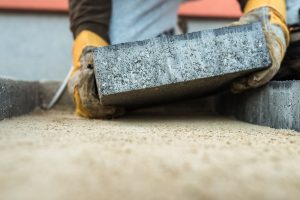
Driveways require substances that cope with weight and abrasion. Dry-set pavers and decorative concrete overlays provide enduring quality and hold up against cars, sun, and rain. Pavers are beloved for their simple replacement and timeless appeal, whereas decorative concrete provides more creative design flexibility at a lower price per square foot.
Smarter material choices include textured finishes, like broom or stamped patterns, which increase traction, mitigating slips. This is helpful when driveways serve as walkways or kids’ play areas. Colors and patterns can be selected to complement the home’s exterior, supporting increased curb appeal.
With smarter material choices, sealing concrete every two years keeps it from cracking in Broward’s moisture-laden air.
For Catwalks
Catwalks require safe, hardwearing, lightweight materials. Epoxy overlays and lightweight composite tiles satisfy these requirements, reinforcing walkways without additional weight that burdens the structure. Slip-resistant coatings are important, especially in the rain.
An imaginative catwalk surface features a color and geometric pattern that matches landscaping or building design. Frequent inspections and simple maintenance keep these thin paths looking crisp and secure for everyday hiking.
The Resurfacing Process
Broward Concrete Resurfacing for driveways, catwalks, and pool decks is a multi-step process that rejuvenates old, worn surfaces without a full replacement. The technique can repair cracks and spalling, refresh designs with new patterns, and add 10 to 20 years of life to concrete when performed properly. It’s an affordable option for property owners looking to enhance curb appeal and safety.
This project typically requires one to two days and has a specific sequence that must be honored to achieve lasting success.
- Surface Preparation: The old surface is cleaned, any cracks or holes get fixed, and all loose or failing coatings are removed. This avoids problems down the road and ensures the new surface adheres.
- Mixing Overlay Materials: Contractors mix the resurfacing products, often ensuring the color, texture, or pattern matches the homeowner’s choice.
- Application: Using trowels, rollers, or sprayers, workers spread the overlay evenly. You want an even, smooth finish.
- Curing: The new surface needs time to harden. There are fast-drying formulations, but curing is important for strength.
- Sealing: A sealant is applied to lock out water and stains, protect against weather, and keep colors bright.
Surface Preparation
Deep cleaning is priority number one, eliminating grime, grease, and residue with degreasers and pressure washers. Any cracks or holes are patched with filling compounds, and larger damage is cut out and replaced. Old sealers and coatings must be removed, typically with grinders or chemical strippers.
After the surface is bare and solid, roughening allows the overlay to adhere more effectively. Prep-skipping leads to premature disasters. It is crucial to grind it out early.
Homeowners in Broward’s humid climate beware, moisture trapped under concrete can cause new overlays to lift. Moisture testing and letting the slab dry completely before you start is smart. Time invested here pays off in saved dollars and headaches down the road.
Material Application
The overlay mix is poured or sprayed onto the prepared surface, then spread out with trowels, squeegees or rollers. Craftsmen maintain the coating thin and level, approximately 1/8 to 1/4 inch thick, so as not to allow bumps or fragile areas.
Decorative finishes can be created, with stencils or stamps applied to the wet material to create stone, brick or tile patterns. It is important to follow the manufacturer’s directions for mixing, spreading, and setting times. Bubbling or peeling can be caused by mistakes.
Tools must remain clean, and dried bits will mar the finish. Broward’s heat could accelerate drying, so process smaller sections at a time.
Curing and Sealing
Curing is allowing the overlay to solidify at a proper speed. Hurrying this stage makes for soft concrete, so keep it shaded and moist if necessary. The resurfacing process requires patience. Most products suggest a 24-hour wait before foot traffic, and a longer wait for vehicles or heavy objects.
Once cured, we lay on a clear sealer. This protects against UV rays, pool chemicals, and South Florida stains. Sealing every 2 to 3 years maintains driveways and pool decks looking crisp and prevents water damage.
Beyond The Surface
Concrete resurfacing in Broward is more than aesthetic. Underneath the fresh exterior, project success lies in thoughtful design, local regulations, and selections that complement the area’s hot, humid climate. The proper method can save cash, preserve the environment, and make homes not only more durable but more attractive.
Local Regulations
Broward County has severe regulations for concrete. Driveway, catwalk and pool deck resurfacing doesn’t always require permits, but they are needed when structural changes are made or drainage is compromised. Most towns have guidelines on what kind of coatings, textures and even colors you can use, especially in HOA neighborhoods.
Neglecting these phases may lead to expensive penalties or even mandated demolition of non-compliant surfaces. Licensed contractors understand Florida’s building codes inside and out and can manage permitting and inspections. Homeowners who work with local specialists skip headaches and delays.
For the DIYers, it’s absolutely crucial to check with the city or county building office before beginning. Knowing the codes not only keeps your project legal, it protects your property value.
Eco-Friendly Options
Eco-friendly resurfacing options are taking hold in Broward. A lot of suppliers are now providing recycled aggregates and cement mixes that lower carbon output. With low-VOC sealers and water-based coatings, you’re helping to reduce air pollution and it’s safer for your family and pets around the pool or patio.
Smart resurfacing, including overlay systems, lets them recycle the majority of the existing slab, bypassing junk bound for landfills. Homeowners can reduce their impact on the environment by selecting cool-tone finishes that bounce back the sun and keep surfaces cooler.
This is a critical feature as concrete in Florida can reach 140 degrees or more and crack from heat stress. It’s these small decisions that pile up and ultimately make a genuine impact on the local environment.
Long-Term Value
Professional resurfacing puts value beneath the surface in your Broward home. It pumps curb appeal, but an expertly selected finish can increase property value and entice buyers. Many buyers want something that’s low maintenance and safe outside around pool decks and walkways.
Resurfacing is significantly less expensive than replacement, typically only $3 to $10 per square foot, and can extend lifespan 10 to 20 years with minimal maintenance. This means less fixing and less interruption in the long run.
Basic maintenance, such as resealing every few years, maintains the appearance of surfaces and nips trouble in the bud. For sellers, a new driveway or pool deck can be the difference that makes your home memorable on the market.
Finding Your Pro
Choosing your concrete resurfacing contractor in Broward requires far more than seeking the lowest price or a rudimentary skill set. South Florida driveways, catwalks, and pool decks endure brutal sun, rain, and salt air, so materials and expertise count. A great pro understands not only how to spread new concrete but which mix stands up best to local weather and foot traffic.
A polymer-modified overlay or epoxy coating can last years longer because it resists corrosion and fading. Certain types of surfaces, with proper maintenance, can appear new for 8 to 15 years or more down the road.
Verifying licenses and insurance is not mere busywork. It shields you from danger. A licensed contractor is approved by the county and the state, in our case, Broward County and Florida, so they know code, safety, and local requirements.
Insurance guards you if there is an accident or damage on the gig. Always request to see both and verify their standing with the state licensing board. This step eliminates fly-by-nights and provides peace of mind.
References and portfolios count. Viewing pictures of completed driveways or pool decks around your neighborhood provides a sense of the contractor’s aesthetic and ability level. Find your pro – if you want a slip-resistant finish for a pool area, look for similar projects and request to see their work.
Online reviews, referrals from friends and neighbors, and good old-fashioned word-of-mouth frequently show you how a contractor deals with issues, hits deadlines, and honors their work. It’s not just about the nice images; you want proof of dependability and quality.
Don’t just take the first quote, even if it seems reasonable. Price for resurfacing is based on square footage, finish type, and any repair work required in advance. In Broward, prices can really move around, especially during the busy seasons when demand is high.
Get no less than three written quotes, stipulating that each breakdown materials, labor, prep, and cleanup. This aids you in identifying concealed charges, comparing services, and comprehending what you’re actually receiving. Occasionally, the lowest bid cuts corners or uses inferior materials, so consider value versus price.
A contractor’s experience in the specific area you need, such as pool decks versus driveways, can accelerate the work and reduce downtime. Inquire about their years in business, training, and if they provide maintenance tips to make the new surface last.
By doing this, it leads to fewer headaches and a better result for your Broward home.
Conclusion
When it comes to keeping Broward driveways, catwalks, and pool decks fresh and safe, concrete resurfacing does the job. Heat, storms, and salt eat away at old slabs around here. New surfacing battles cracks, stains, and slick spots. Clear prep and the right mix leave the finish with extra bite and life. Great crews understand Broward’s weather and utilize materials that endure sun and rain. Quick repairs cost less and reduce hassle later. Need a flatway or a sleekside? A seasoned pro can assist in selecting colors and textures that complement your place. How to Ready to Resurface Your Concrete? Call us at concrete resurfacing broward for a free estimate!
Frequently Asked Questions
What is concrete resurfacing for Broward driveways and pool decks?
Concrete resurfacing involves pouring a new layer over old concrete. It resurfaces driveways, catwalks, and pool decks.
How long does concrete resurfacing last in Broward’s climate?
When maintained correctly, resurfaced concrete in Broward has a 10 to 15 year lifespan. The area’s heat and rain make selecting compatible materials and sealers a necessity for lasting results.
Why does concrete crack or wear out in Broward?
Broward’s hot sun, heavy rains, and humidity can crack, fade, or mold concrete. Salt air accelerates wear as well, particularly in close proximity to the coast.
What are the best materials for resurfacing in Broward County?
Polymer-modified overlays and slip-resistant coatings are at the top of our list. They withstand Broward’s weather, resist mold and keep a cooler footing, which is ideal for pool decks and driveways.
How long does it take to resurface a driveway or pool deck?
Most projects in Broward require one to three days, depending on the size and the weather. Quick drying products are available to help you get in and out of the driveway faster.
Can resurfacing improve the safety of catwalks and pool decks?
Resurfacing provides texture for improved grip, thereby decreasing accidents and falls. This is especially the case with pool decks and catwalks in Broward’s wet climate.
How do I choose a reliable concrete resurfacing contractor in Broward?
Seek out licensed, insured experts with positive reviews in your area. Request references from Broward County and pictures of previous work.