- Key Takeaways
- Why Resurface Catwalks?
- Identifying Problems
- Modern Solutions
- The Resurfacing Process
- Beyond Functionality
- Choosing Your Partner
- Conclusion
- Frequently Asked Questions
- What is catwalk resurfacing in Ft. Lauderdale?
- How do I know if my catwalk needs resurfacing?
- What materials are best for resurfacing catwalks in Ft. Lauderdale?
- How long does catwalk resurfacing take?
- Is resurfacing more cost-effective than replacing a catwalk?
- Will resurfacing my catwalk improve safety?
- How do I choose the right contractor for catwalk resurfacing in Ft. Lauderdale?
Key Takeaways
- Ft. Lauderdale catwalk resurfacing – Fort Lauderdale catwalk resurfacing must be resistant to saltwater corrosion, high humidity, hurricanes, and feverish UV exposure, all of which can destroy concrete surfaces if not dealt with promptly.
- Preventative maintenance, including the application of futuristic coatings and waterproofing membranes combined with regular inspections, goes a long way toward avoiding expensive repairs and increasing the longevity of catwalks in coastal areas.
- Choosing the best resurfacing materials, like polyaspartic coatings and urethane cements, makes your project more durable, safe, and visually stunning even under South Florida’s most grueling conditions.
- Meeting local safety codes and regulations is paramount. All resurfacing should be done by licensed professionals and meticulously recorded.
- Ft. Lauderdale Catwalk Resurfacing It requires detailed planning, surface preparation, crack repair, material application and top sealing, with a special consideration for Ft.
- By collaborating with skilled local contractors who are familiar with the area’s climate and regulatory environment, you can guarantee effective and durable catwalk resurfacing results.
Ft. Lauderdale catwalk resurfacing translates to repairing and revitalizing over-water or marsh walkways in town. These catwalks are exposed to heavy rain, salt air and sun which wears down wood or concrete over time.
Typically, projects replace loose boards, fill cracks and employ slip-proof coatings for wet weather safety. To keep public spaces safe for walkers, workers utilize local materials that stand up to Florida’s climate.
The following sections present essential strategies and advice.
Why Resurface Catwalks?
Ft. Lauderdale catwalk resurfacing should be a priority in both public and private areas along the coastline. Salt air, high humidity, and strong sun all beat up concrete, particularly in a location like Fort Lauderdale. Routine maintenance prolongs the life of catwalks, prevents hazards, and maintains aesthetic appeal. Catwalks that aren’t resurfaced promptly wear out quickly, putting users in danger and increasing repair costs.
1. Saltwater Corrosion
Salt water from the Atlantic deteriorates concrete faster than in inland areas. Over the years, salt filters into the cracks, rusting the steel reinforcement and weakening the structure. Even minor chips or coarse patches left unattended can become major problems.
Inspections every few months allow us to catch rust stains, flaking, or surface pitting before it becomes serious. One way to slow this process is by applying specialized coatings that block saltwater penetration. These coatings create a protective shield, preventing abrasive components from entering and prolonging the catwalk’s lifespan.
By educating property owners on the fundamentals of saltwater damage, they are aware of what to watch for and why maintaining their home is important along coastlines such as Fort Lauderdale.
2. Humidity Damage
High humidity is an additional challenge. Water goes everywhere in concrete, swelling it, cracking it, and growing mold with it. This is especially the case in our sticky summers.
Making the catwalk surface waterproof is crucial. It prevents moisture from soaking in, thereby aiding in the prevention of long-term damage. Watch out for mold and mildew. These growths frequently signify a larger moisture issue that needs to be addressed.
Scheduled maintenance checks keep the catwalk’s integrity up to par and prevent minor problems from turning into a big pain.
3. Hurricane Readiness
Fort Lauderdale weather is under storm threats every year. Catwalks have to endure high winds, rain, and debris. Why resurface catwalks? There’s using concrete mixes rated for hurricane zones.
Property managers ought to have their catwalks resurfaced, check for weak spots, and repair them before hurricane season. After every major storm, a new inspection ensures that no damage is lurking and that users are safe.
4. UV Degradation
Sun exposure bleaches and deteriorates unprotected catwalks. The sun’s UV rays in South Florida deteriorate concrete through chalking, surface spalling, and color fade.
UV-resistant coatings reflect sunlight and shield against this damage. Frequent reapplication of these layers maintains the catwalk’s appearance, making it vibrant and resilient. Sun protection reminders to owners help them plan long-term care.
5. Safety Compliance
Local codes make walkways safe. Inspections prior to resurfacing identify tripping hazards or surface imperfections. Let certified pros do the work to ensure repairs are up to code.
By capturing each safety measure implemented, it holds all parties responsible from the contractors to the property owner. Safety-first mindsets safeguard both individuals and assets.
Identifying Problems
Ft. Lauderdale catwalk resurfacing presents issues in public safety, surface integrity, and state rules compliance. In South Florida’s steamy, wet environment, catwalks endure constant strain from salt air, heat, and storms. Regular inspections are a must to maintain safe walkways for all.
Routine catwalk inspections are essential in detecting wear, cracks, or other surface damage before they become exacerbated. This involves searching for sun-bleached paint, loose handrails, or surface pitting that could cause users to stumble or render the promenade unsafe, particularly during the busy beach season or after a downpour.
Sometimes it’s just surface damage, which may appear to be small hairline cracks, but on a busy corner of Las Olas Boulevard or near the Intracoastal, even small defects can multiply quickly if not repaired. Walkways adjacent to the ocean might present early corrosion or spalling, which can be easily overlooked without regular inspections.
Visual inspections should accompany expert examinations. Expert crews use their trained eye and specialized equipment to detect issues not seen from above. For instance, they might use moisture meters or surface hardness testers to check if water has penetrated the concrete.
Some fixes require more than a band-aid. Areas exposed to salt water may require fresheners or coatings specific to the Florida coastline. When the Florida DOT sent violation letters to Fort Lauderdale, it highlighted a need for a more systematic process to identify and address issues before they pose safety hazards or legal concerns.
Prioritizing fixes by how immediate or severe they are protects everyone and preserves paths. Deep cracks, loose railings or slick spots should be repaired as soon as possible, as they can result in falls or injuries, particularly in high-traffic areas favored by tourists.
Less urgent fixes, such as faded paint and worn decals, can be deferred. When problems aren’t repaired quickly enough, you get spats, such as the recent battle over street art on sidewalks. Some locals, along with city leaders like District 2 Commissioner Steven Glassman, deemed the state’s effort to remove art “ludicrous” and unfounded, but others supported removal for safety.
These discussions tend to arise when repairs and maintenance are not recorded carefully. Maintaining a good service log keeps a record of all issues encountered and all repairs performed. Logs need to have the date, kind of issue, repair, and who did the work.
This log aids in identifying trends, such as whether certain locations consistently require additional effort, and supports the city if any issues arise regarding compliance or policy changes. With recent lawsuits filed by Fort Lauderdale and Miami Beach and the state’s Memorandum 25-01 under scrutiny, solid documentation is more crucial than ever.
The maintenance log can demonstrate that the city is adhering to best practices, even as state and local perspectives collide.
Modern Solutions
Ft. Lauderdale catwalk resurfacing utilizes modern solutions now for harsh, beautiful finishes. These aren’t your old-school patch jobs. Today, crews use environmentally friendly materials that adhere to stringent local regulations and maintain a low climate impact.
State-of-the-art coatings and overlays extend the longevity of walkways, so they maintain their fresh appearance even after years of sun, salt air, and wear and tear. That’s what the latest concrete restoration technology enables, which can restore catwalks quickly, sometimes within one to three days, and maintain them easily.
Simply wash and seal every few years. Epoxy floors, for instance, now hold strong for 15 years or more, making them a top choice for high traffic spaces. We use modern resurfacing tools and materials to help maintain the appearance and feel of public spaces fresh, safe, and easy to care for.
Polyaspartic Coatings
Polyaspartic coatings are now a go-to for Ft. Lauderdale catwalk resurfacing as they dry quickly and tolerate heavy pedestrian traffic. These coatings perform admirably at the coast, resisting UV rays and chemical spills without fading or decomposing.
The finish is seamless and smooth, so it looks great and is easy to clean. They want surfaces that wear and look new, and polyaspartic coatings do exactly that. For walkways, these coatings make it easy to maintain durable and secure tunnels with minimal downtime.
|
Feature |
Polyaspartic Coatings |
|---|---|
|
Cure Time |
Rapid (hours, not days) |
|
Durability |
High |
|
Chemical Resistance |
Excellent |
|
UV Stability |
Superior |
|
Visual Appeal |
Seamless, glossy finish |
|
Maintenance Needs |
Low |
Urethane Cements
Urethane cements are best for high-traffic areas, such as catwalks in drumming circles or public parks. Unlike old concrete, it flexes and stretches a little, so it won’t crack as easily.
It holds on even when it’s wet, reducing slips. Urethane cements shrug off heat, heavy rain and even freeze-thaw cycles, making them fit for South Florida’s wild weather.
|
Property |
Urethane Cements |
Traditional Concrete |
|---|---|---|
|
Flexibility |
High |
Low |
|
Impact Resistance |
Excellent |
Moderate |
|
Slip Resistance |
Superior |
Variable |
|
Weather Tolerance |
Excellent |
Fair |
|
Maintenance |
Minimal |
Moderate |
Waterproofing Membranes
Waterproofing membranes prevent water from leaching into the concrete, which is crucial in a steamy locale like Ft. Lauderdale. The decision for the proper membrane would be based on potential foot traffic and exposure to flooding or rain.
- Prepare the surface. Wash and repair any cracks, holes, or weak areas.
- Select the appropriate membrane for your application: sheet, liquid, or spray-applied.
- Install the membrane with caution, ensuring seams overlap and edges are covered.
- Allow it to cure completely before allowing anyone to walk on it.
- Inspect the membrane annually and replace it if there are indications of wear.
With routine inspections, these membranes continue to do their work for years. If you notice tears or leakages, repair or replace them quickly to protect the rest of the surface.
The Resurfacing Process
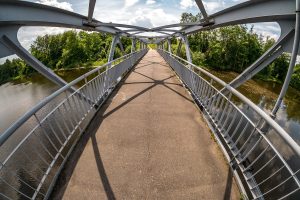
As experienced experts on Ft. Lauderdale catwalk resurfacing, we understand that managing such walkways exposed to coastal weather requires a strategic lifecycle plan to ensure safety and longevity. A methodical process from beginning to end ensures everything is local-appropriate and functional.
Straight talk with property managers, contractors, and city officials keeps everyone on the same page for timelines and deliverables. Maintaining accurate notes at every stage assists you with later examinations, fixes, and quality assurance.
Summary of Essential Phases:
- Inspect and assess catwalk condition
- Prepare surface thoroughly
- Repair cracks and structural flaws
- Apply resurfacing material
- Seal and protect finished surface
- Document process and communicate updates
Surface Preparation
About the resurfacing prep. Lauderdale catwalk resurfacing project. Teams begin by removing dirt, salt and loose chunks from the runway with brooms, vacuums or pressure washers.
Next, they get rid of old coatings or damaged concrete, often with grinders or shot blasters that roughen the surface for adhesion. We do moisture tests to make sure there isn’t any water or humidity trapped, as South Florida’s environment can slow down curing and cause bubbling if moisture is left in the slab.
It primes the surface to allow new materials to adhere well and withstand for a long time, even with that constant rain and salt air.
Crack Repair
Crack repair is essential to prevent water from infiltrating the structure and resulting in rust or mold. Mind even little cracks on a catwalk can spell disaster come hurricane season.
Contractors select their repair methods depending on the crack’s width and movement. They use epoxy for thin, static cracks and flexible fillers for wider or shifting cracks. Flexible fillers assist in absorbing movement from temperature swings or shifting foundations to prevent future repairs.
Checklist for Crack Repair:
- Inspect and mark all visible cracks
- Clean cracks with wire brush or air blast
- Select and mix right repair product
- Fill and smooth cracks to surface level
- Let repairs cure fully before next step
Material Application
Material has to be applied slow and steady to obtain a slick, even surface. Installers adhere to manufacturer specs for mixing time and thickness, which are crucial for such products as polymer overlays or epoxy coatings.
Special trowels, squeegees, or sprayers assist in maintaining the correct thickness and preventing thin areas. Crews monitor temperature and humidity as these impact drying time and final strength. In Fort Lauderdale, that means working early mornings or late afternoons to steer clear of the midday sun that dries too fast.
A few projects employ a primer coat initially to aid adhesion. Installers walk the length of the catwalk, looking for touch-ups prior to the next coat. We keep waste low by working in passes and applying only what’s necessary for each pass.
Final Sealing
Sealing the catwalk surface is the final step and locks out water, sun, and salt. We only use top-rated sealants that are UV and moisture resistant, which is very important in South Florida’s sun and storms.
Property managers need to maintain sealing, typically on a one to three-year schedule based on foot traffic and weather. They receive recommendations on selecting sealers and identifying resealing needs, supporting the catwalk’s longevity and reducing repair expenses.
Well-sealed surfaces stay safer, slip-resistant, and looking clean.
Beyond Functionality
Ft. Lauderdale catwalk resurfacing does more than repair worn trails. It defines how spaces appear and resonate to those who inhabit them, be it condo dwellers, plaza patrons, or community event attendees. In this city, catwalks and walkways can be perceived as indirect extensions of the structures themselves. Newly resurfaced paths can provide an added dose of style and attention to detail, making the entire property appear more appealing.
Beyond just functionality, a good resurfacing job takes boring old concrete and turns it into something magical. Decorative concrete is catching on in Ft. Lauderdale, not only for its power but for the way it can fit a place. Consider stamped patterns, colored surfaces, or even concrete that resembles stone or tile. These options allow landlords to express the vibe of their building or neighborhood.
It’s an opportunity to showcase the community’s identity just like the local designers on the catwalks of recent shows. The event itself is evidence that cutting-edge design and artistic expression are valued in South Florida. Wearable glass, hand-painted purses, and pieces created with new mediums showcase how art and functionality can indeed be a power couple.
Outdoor areas here are more than a transition from one room to the next. They beckon visitors inside to stroll, lounge, or simply gawk. When walkways are well-kept and good-looking, they send a message: this is a place where people care about their space. For tenants and customers, that matters.
They see beautiful, well-maintained, safe, attention-grabbing surfaces. Owners looking to fill vacancies or attract new tenants understand the impact of a good first impression. In an ocean of sameness, a friendly walkway can make the difference.
The catwalk event in Ft. Lauderdale exhibits another dimension of surface design—the desire to say something about yourself. Artists there repurpose old bags into canvases, transform glass into wearable art, and blend materials like a narrative. It’s this motivation to tinker and generate that turns every property and every route into a one-of-a-kind.
A walkway can transcend its role as a thoroughfare to instead become a genuine expression of style. It can mirror the innovation of the style and art exhibited at local happenings.
Choosing Your Partner
Ft. Team. Lauderdale catwalk resurfacing is about more than just selecting some random contractor. This decision defines the security, aesthetic, and lifespan of your walkways. In a place like Ft. Lauderdale, where weather, salt air, and heavy use abrade surfaces fast, the crew you pick has to demonstrate talent with both local demand and technical work.
A track record is golden. Hire concrete contractors who will provide examples of years of similar jobs, such as catwalk resurfacing performed for condos along A1A, marina walkways, or public parks facing the Intracoastal. Request before and after photos and dates of previous projects. Trustworthy partners will have no issue naming projects across Broward County and telling you how they repaired cracks, evened out aged surfaces, or sealed walkways to block out sun and rain.
This history demonstrates not only expertise but an investment in the local community. Local expertise counts in Ft. Lauderdale catwalk resurfacing. The area’s salt air gnaws at concrete. Afternoon storms can bog down work or disrupt curing times. Seasoned contractors here know to use mixes that battle salt and moisture.
They use Florida tools and sealers. For instance, certain teams employ epoxy or polyaspartic coatings that dry rapidly, so unexpected rain won’t destroy the work. Others know how to incorporate drainage into catwalks, a necessity for low-lying areas near the beach or canal.
Follow through on references and case studies. Request two or three owners or property managers to contact. Quality contractors will provide references without hesitation. When you speak with these references, inquire how the team dealt with deadlines, mess, and small issues.
Did their catwalks stand up through last year’s hurricane season? Did they need fixing immediately? Case studies, which are easy narratives about previous projects, demonstrate how the contractor addressed challenges and adhered to strict regulations, such as municipal permits or accommodating tenants.
Communication is important, of course, throughout. Arrange a call or meeting to find out how clearly the contractor explains steps, options, and what to expect. Do they use simple language or hide behind jargon? Do they respond promptly to your emails or calls?
Solid partners keep you informed, demystify expenses, and provide updates. This cultivates trust, which is as important in business as in any intimate relationship.
Conclusion
Ft. Lauderdale’s catwalks get a serious beating from sun, salt, and constant foot traffic. Old surfaces crack, fade, and even become slick. New resurfacing gives you the boost in grip, appearance, and safety. Crews peel off old layers, repair soft spots, and apply new coatings engineered for the coastal climate. Contemporary hybrids stand firm in rain and sun. You get smoother walks, reduced liability, and razor-sharp curb appeal. Good partners know local codes and use what lasts. Picking a pro team pays off with less hassle and quick turnarounds. If your walk starts to wear, don’t delay. Give a local pro a call. Safer steps for all—neighbors, visitors, and you.
Frequently Asked Questions
What is catwalk resurfacing in Ft. Lauderdale?
Catwalk resurfacing in Ft. Lauderdale means repairing or renewing walkways, docks, and pathways, especially near marinas and waterfronts. This enhances safety, aesthetics, and longevity in the humid, coastal FL area!
How do I know if my catwalk needs resurfacing?
Inspect for cracks, splinters, uneven surfaces or rot. Mold and water damage are prevalent in Ft. Lauderdale’s climate. If you see these issues, resurfacing can save the catwalk and make it safe again.
What materials are best for resurfacing catwalks in Ft. Lauderdale?
Marine-grade wood, composite decking and slip-resistant coatings are the go-to options. These materials fight moisture, sun and salt, which are perfect for South Florida’s coast.
How long does catwalk resurfacing take?
Major residential catwalk resurfacing job in Ft. Lauderdale can be finished in under a couple of days. Larger or commercial projects might require more time depending on size and weather.
Is resurfacing more cost-effective than replacing a catwalk?
That’s right, resurfacing is typically less expensive than replacement. It extends the life of the existing structure, increases safety, and beautifies with less disruption and lower cost.
Will resurfacing my catwalk improve safety?
You bet! Resurfacing eliminates tripping hazards, adds slip resistance, and fixes damaged areas. This is particularly crucial in humid Ft. Lauderdale, where the surfaces can get slick and weathered.
How do I choose the right contractor for catwalk resurfacing in Ft. Lauderdale?
Search for local, licensed, and insured contractors who are experienced with waterfront properties. Read reviews, request references, and ensure they use materials designed for South Florida’s climate.