- Key Takeaways
- The Palm Beach Problem
- Resurfacing Realities
- Material Matters
- Finding Your Pro
- Navigating Local Rules
- The Palm Beach Sheen
- Conclusion
- Frequently Asked Questions
- What is driveway resurfacing in Palm Beach?
- How long does a resurfaced driveway last in Palm Beach?
- What materials work best for driveway resurfacing in Palm Beach?
- Do I need a permit to resurface my driveway in Palm Beach County?
- How much does driveway resurfacing cost in Palm Beach?
- How soon can I use my driveway after resurfacing?
- Why should I hire a local Palm Beach pro for resurfacing?
Key Takeaways
- Palm Beach driveways face the harsh realities of full sun, extreme humidity, salty air, and unstable sandy soils, all requiring special resurfacing techniques to maximize their lifespan and effectiveness.
- Using heat and corrosion resistant materials like polymer overlays or cool coatings mitigates UV damage and salt air deterioration common in coastal environments.
- Proper drainage and waterproofing are a must to fight moisture problems from humidity and sandy soil and help maintain a stable and durable driveway base.
- Proper preparation — cleaning, crack repair, and sealing — helps the new surface to take and look good under Palm Beach’s weather.
- Hiring licensed, insured, and locally savvy contractors is essential for compliance with Palm Beach County regulations and for great looking, durable results.
- If you’re a homeowner, check your HOA guidelines and local permits before resurfacing projects to make sure your driveway upgrade is in compliance with community norms and regulations.
Palm Beach driveway resurfacing is what you get when you repair or topcoat your aging driveway with new material appropriate for Florida’s hot, wet climate. There are a few common types of surface materials on Palm Beach driveways: concrete, brick paver, and asphalt, each having its own maintenance requirements.
The proper resurfacing will keep your driveway level, safe, and looking crisp, despite the salt air and monsoon downpours. The section below details benefits, downsides, and what to consider before choosing a resurfacing technique.
The Palm Beach Problem
Palm Beach driveways encounter a special set of circumstances unique to practically nowhere else in the U.S. The region’s subtropical climate with its scorching sun, humid air, salty wind, and unstable sandy soil places an immense burden on concrete and asphalt surfaces. These elements combined with local building codes and regular storms make driveway resurfacing and maintenance something homeowners and property managers need to carefully consider.
Relentless Sun
Florida’s sun is unforgiving. UV destroys the surface of concrete and asphalt over time, which causes fading, surface chalking, and even hairline cracks that expand with repeated exposure. UV damage causes the binder in asphalt to become brittle, while concrete can lose its color and polish.
Materials count. In Palm Beach, installers will often suggest aggregate blends and sealants to reflect heat and resist breakdown. Routine cleaning and resealing every 2-3 years is key, particularly in areas like neighborhoods where colors are limited.
- Use UV-resistant sealers
- Install shade structures or landscaping
- Choose lighter, reflective surface colors
- Schedule resurfacing with heat-resistant materials
Suffocating Humidity
High humidity encourages both mold and algae to grow faster. These will stain driveways and are slippery. Moisture seeps into cracks that expand in the heat and then contract when cooled, resulting in pitting and additional cracking.
Drainage is key. We just grade the driveway so water gets away from it, and that helps a lot. Waterproofing membranes and breathable sealers can impede moisture absorption. Inspections in humid months catch those small whispers of trouble, like little green patches or black spots.
A good maintenance plan includes pressure washing biannually.
Corrosive Salt Air
Salt air is lurking in every corner of coastal Palm Beach. Salt actually breaks down the surface of both concrete and asphalt, causing spalling and disintegration. This action gnaws at the stone, particularly along the coast.
Salt overlooking salt accumulation accelerates decay. Quick cleaning and marine-rated materials stave off premature failure.
- Salt-resistant concrete mixes and coated rebar for reinforcement
- Wash driveways with fresh water at least monthly
- Apply penetrating sealants to block salt intrusion
- Knock off salt crystals before they can leach into the substrate.
Shifting Sandy Soil
Sandy soil won’t hold. Driveways shift, sink, or crack as the dirt moves. It’s the Palm Beach issue, where beach sand collides with fill dirt. Poor drainage and heavy rains can literally wash the base away.
Driveways must be constructed with robust sub-bases and reinforced with steel mesh. French drains or swales that divert water are a must. Look for uneven spots or new cracks, as both typically indicate the ground is moving beneath.
Hurricane Aftermath
Palm Beach has hurricanes nearly every year. Both wind and water can rip up driveways or wash subsoil away. After a hurricane, swift delivery counts.
Picking cracks and patching holes prevents additional damage. Others opt for pavers or reinforced concrete to withstand storms. Post-storm inspections identify issues early. Wind and water rated materials help driveways survive future storms.
Resurfacing Realities
Driveway resurfacing in Palm Beach isn’t just a bandage for your driveway. It’s a revitalizing treatment that adds real estate value, curb appeal, and durability to a home. Our process from initial evaluation to ultimate seal is molded by regional weather, codes, and the demand for affordable, durable solutions for the South Florida surroundings.
1. The Initial Look
First, walk the full length of the driveway, looking for cracks, oil stains, worn patches, and rough spots. Make note and take pictures to record all the problems you see. This aids in repair planning and budgeting.
Consider what you want the new surface to look like, whether you desire a simple finish or aesthetics such as stamped concrete or tinting. Local codes in Palm Beach and nearby Broward could require permits, so verify with your city’s building department prior to beginning any work.
Check out resurfacing options such as asphalt overlays, concrete coatings, or paver systems, remembering that the cost ranges from $3 to $10 per square foot and which options hold up to Florida’s humidity and heat.
2. The Deep Clean
Pressure wash to demolish grime, sand, and algae, particularly in coastal climates. For persistent oil stains, apply degreasers or enzyme-based treatments that are environmentally safe for concrete and asphalt.
Rake out leaves, dirt, and loose debris. Leftover materials prevent new coatings from adhering. Plan deep cleanings once or twice a year at minimum to maintain the surface and facilitate future resurfacings.
3. The Crack Repair
Locate every crack and determine if it is hairline, mid-sized, or structural. Use flexible fillers or driveway-matched epoxies so repairs withstand Florida’s rainy season and blazing heat.
For wider fissures or craters, fortify with mesh or rebar prior to patching. After the fix, keep an eye on the spots over the coming months for any indication of shifting or new gaps. Early action can prevent worse issues later.
4. The New Surface
Choose a resurfacing that takes on Palm Beach’s sun, salt and storms. Polymeric overlays, concrete microtoppings, and UV-resistant sealers all play nice here.
Paint new layers in thin, even coats. Toss on borders, stamped patterns or color for a personalized look that catches buyers’ attention. Let the driveway cure for 48 to 72 hours for optimal results and durability.
5. The Final Seal
Select a sealant that protects against water, oil, and UV rays. Scatter it in a thin, even coat over the driveway to cover every bit.
Reseal every 2 to 3 years to prevent fading and cracking. Educate homeowners that sealing is vital for safeguarding value and curb appeal, particularly in a humid, high-traffic market like Palm Beach.
Material Matters
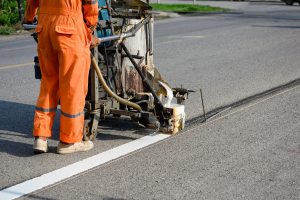
Palm Beach driveway resurfacing, this calls for a material matters! This climate delivers the trifecta of heat, humidity and surprise rain and it’s important to select materials that can withstand both extreme temperatures and moisture.
Materials influence the appearance, performance and maintenance requirements of your driveway. Every option — concrete, asphalt, pavers, and polymer overlays — comes with its own advantages and compromises. Drainage is paramount because standing water can do damage quickly in Florida’s climate.
|
Material |
Pros |
Cons |
|---|---|---|
|
Concrete |
Strong, long-lasting, low upkeep |
Prone to cracking, can heat up, limited color |
|
Asphalt |
Quick to install, flexible, cost-efficient |
Needs sealing, can soften in heat, fades |
|
Pavers |
Stylish, easy repairs, great drainage |
Higher cost, may shift, weeds in joints |
|
Polymer Overlays |
Fixes flaws, many finishes, fast cure |
May need resealing, less strong than full slab |
|
Cool Coatings |
Lowers temp, non-slip, many colors |
Needs reapplication, may be pricey |
Polymer Overlays
Polymer overlays are most effective on driveways with light to moderate surface defects. They fill potholes, cover small cracks and provide a smooth appearance. They are not a remedy for profound structural fractures, and overlays can revitalize driveways that simply demand a face-lift.
The layer is maintained between one-fourth and one-half inch thick, which controls weight and aids the overlay adhesion to the substrate. Covers up small chips, cracks, and stains. Lets you use many colors, patterns, and surface textures. Dries fast, so less downtime. Adds a skid-resistant finish for safety.
Material Matters Color and texture options extend well beyond basic gray. You can imitate stone, tile, or brick with the proper stamp or stencil. This allows you to easily coordinate with your home’s decor or HOA regulations. Lighter colors reflect sunlight and slow heat build-up with Palm Beach.
Regular maintenance is power washing at 3,000 p.s.i. To remove grime and mildew. Coating every few years prevents moisture and UV rays. Patch minor cracks while they are still small to maintain a sharp looking finish.
Paver Systems
Paver driveways provide you with incredible design versatility. They offer shapes, tones, and patterns that can fit modern, classic, or coastal homes. Repairs are a breeze. If a paver cracks, replace it. There is no need to redo the entire driveway.
While with interlocking pavers, the water just travels through the spaces. Puddles are a rarity even in summer deluges. Proper drainage reduces slip hazards and extends the driveway’s life.
It’s all about having a strong foundation. Crushed stone or gravel is tamped down prior to laying pavers. Reinforcement is added on heavy vehicle driveways to prevent shifting and settling. Stepped surfaces and French drains assist in directing water away from the house.
Cool Coatings
Cool coatings reflect sun, leaving surfaces up to 30 degrees Fahrenheit cooler than bare concrete in mid-day heat. This is a true bonus for Palm Beach homes, where driveways often become hot enough to scald unprotected soles.
Cool coatings cover driveways so they’re safer and more enjoyable for kids, pets, and guests. Anti-slip finishes provide traction and reduce the likelihood of slips and falls.
We have colors and finishes ranging from vivid whites to gentle earth tones. This allows you to coordinate your home or reduce glare. To keep cool coatings working, clean with a mild detergent and recoat every few years. Routine maintenance ensures vibrant hues and cool surface temperatures.
Finding Your Pro
Choosing the best driveway resurfacing Palm Beach professional is about more than just crossing a name off a list. Between the local climate, stringent HOA rules and high-traffic neighborhoods, it is important to collaborate with contractors that know the area and can demonstrate results. Seek firms with modern, top-rated reviews and proof of projects accomplished in your vicinity.
A valid Palm Beach County license is a must and insurance needs to be current for your peace of mind.
Local Knowledge
Palm Beach driveways endure the blistering sun, salt air, torrential rain and devastating winds. Find your pro. Contractors with real experience in this region share insight on which materials, like reinforced concrete or acrylic overlays, stand up best.
Inquire about previous jobs directly in the county. Pictures, addresses, and client testimonials assist in verifying whether they’ve tackled problems such as coastal erosion, mold or rapid weather fluctuations. Knowledge of local permitting and HOA design rules is equally important.
Pros who will talk you through meeting code or tackling HOA paperwork save time and stress. Certain manufacturers now provide greener alternatives, such as recycled base coats or low-VOC sealers, which are becoming increasingly popular with Palm Beach homeowners.
Proven Work
References and portfolios count. Ask your paving contractor for a list of driveways they’ve finished in Palm Beach neighborhoods. Check out a variety of resurfacing options, whether your home needs easy overlays or crack and drainage repair.
Consistency is key: Check if the finish, color, and smoothness of their past work hold up across different sites. Homeowner testimonials should discuss not only their satisfaction with the appearance but also how the driveways perform months or years down the road.
A serious pro will have comprehensive before-and-after shots and can’t wait to share stories of jobs that battled brutal weather or merciless HOAs.
Clear Estimates
A good estimate is clear and comprehensive: material, labor, permit fees, timelines. Compare a minimum of three local contractors to get a feel for the fair market price and look for added services like clean-up or sealing after installation.
Quotes should specify brands and grades of materials, kind of reinforcement, and specify any green upgrades. If any line items appear nebulous, request a written description. Transparency up front avoids surprises down the road.
Proper Licensing
Licensing protects you and local code. Verify the contractor’s Palm Beach County license number and active insurance. Some pros are even certified for storm-rated resurfacing materials, which is a big bonus when hurricane season rolls around.
Request to see credentials and verify if they’ve ever had code violations or insurance claims. These steps prevent procrastination and ensure the work satisfies county and HOA requirements.
Navigating Local Rules
Driveway resurfacing in Palm Beach involves more than a selection of new surface. Local rules define what you may do, how you do it, and whether you require permission in advance. HOAs and county officials are invested in the appearance, safety, and longevity of any modifications you make.
Local codes vary by neighborhood, and you usually have to work with both your HOA and Palm Beach County for permits and inspections. Knowing these steps keeps you from fines, delays, or forced changes.
HOA Aesthetics
Palm Beach communities can be tough on curb appeal. Your HOA might have regulations on what colors and finishes driveways should be or which materials you can use. Certain HOAs permit only neutral colors or pavers instead of poured concrete or asphalt.
Consult the paper rules initially. These are often located in your HOA handbook or online member portal.
So if you’re contemplating a vibrant hue or a stamped surface, think about how it harmonizes with surrounding homes. Most HOAs want everything to look the same. Using a color that’s too bright or a material that stands out will get you a request to change it once you’re done.
If you’re not sure, schedule a meeting with your HOA board or management company. Bring sample photos or swatches and request written feedback.
Record every stage. Save emails and approval forms and meeting notes. These paper trails can be a blessing should questions arise after the work is completed, particularly if the board’s leadership turns over or neighbors grumble later.
Permit Processes
|
Requirement |
Palm Beach County Details |
|---|---|
|
Permit Needed |
Yes, for most resurfacing projects |
|
Application Submission |
Online or in-person at county office |
|
Typical Required Documents |
Site plan, material specs, contractor license info |
|
Fees |
Vary by project size, usually $100–$400 |
|
Approval Timeline |
2–4 weeks, depending on project scope |
|
Post-Work Inspection |
Often required before final approval |
Visit Palm Beach County’s site for the latest permit application steps. Know local rules. Collect your site plans, contractor’s license, and material specs ahead of time before you apply. This reduces back-and-forth.
The county might update rules, particularly post-storm or when updating building codes. Local rules change all the time, so be sure to check for updates before you get started.
Leave room for local rules. Resurfacing can’t begin until you have approval in hand. Work that starts without permits might receive stop-work orders or fines.
Expect some follow-up inspection after the work is completed, such as verifying appropriate drainage or grading in compliance with county regulations.
The Palm Beach Sheen
The Palm Beach sheen is a signature look associated with the area’s driveways, defined by a slight gloss and trim edge. This allure is more than aesthetic; it’s formed by the hot, humid weather that accelerates the deterioration and fading of concrete. For Palm Beach houses and offices, keeping this shine translates to way more than just good looks. It helps increase value and pays homage to the local flair.
Getting and maintaining that Palm Beach sheen requires earth-conscious resurfacing techniques, savvy selection of hues, and textures resistant to the elements.
Color Choices
- Soft grays, sandy beiges and cool whites are all popular choices in Palm Beach. These colors don’t fade from blaring sun and salt air. They go with the relaxed, coastal vibe of the region.
- Lighter shades are functional in the heat. They reflect sunlight, which makes the surface cooler underfoot, good for both safety and comfort, particularly during the summer.
- A lot of folks pick driveway colors to complement their home’s trim, stone work, or roof. A driveway in a shade like buff or pale stone can really bring the whole property together.
- By choosing the right color, maintenance counts. Lighter colors reveal stains more but can facilitate cleaning. Darker colors camouflage stains yet can absorb heat and fade more quickly.
Texture Trends
We usually see broom finished, exposed aggregate or light stamping on Palm Beach driveways. These patterns provide traction and make the surface less slick, a blessing in the rainy seasons. Stamped concrete with a shell or stone pattern gives you that custom touch while assisting with water runoff.
Textured finishes assist in drainage as well, preventing puddles and reducing slipping hazards. New trends zoom in on blends of textures, think smooth bands paired with rougher main areas, injecting character and functionality. Watch for fresh green overlays combining recycled content with style and strength.
Custom Designs
To work with a pro who’ll take ideas and make them designs. Custom driveways could incorporate wide borders, diamond patterns, or inlays that match garden paths or entryways. Not every custom plan fits the budget, so it’s wise to consider costs early.
Sticking with simple prints or repeating shapes can keep things cost-effective without sacrificing style. Sketching or collecting photos makes it easier to discuss with contractors and achieve the look you desire. Maintaining a file of design concepts and finishes allows you to compare options and prepare for new updates.
Conclusion
Palm Beach driveways get hammered with sun, salt and monsoons. A little fresh resurfacing gives them a stately appearance and keeps them secure to tread. Every job requires the perfect balance. Pick new asphalt for an easy ride or pavers for clean style. Local rules define how work gets done around here and the right pro understands the lay of the land. A firm surface reduces slips and bruises. Folks in these parts desire durable, enduring curb appeal, not a bandage. Looking for your driveway to withstand this heat? Let’s get you someone who knows Palm Beach streets and weather. Keep your lot looking sharp and safe. Call for a quote and experience the difference.
Frequently Asked Questions
What is driveway resurfacing in Palm Beach?
Palm Beach driveway resurfacing is all about putting a new layer over your old driveway. It renews the appearance, fixes surface damage, and prolongs life without the expense of a complete replacement.
How long does a resurfaced driveway last in Palm Beach?
When cared for correctly, a resurfaced driveway in Palm Beach can last 8 to 15 years. Our humid climate and salt air make regular maintenance key to long-lasting durability.
What materials work best for driveway resurfacing in Palm Beach?
Concrete, pavers, and asphalt are popular in Palm Beach. Concrete overlays fight the heat and humidity, while pavers bring curb appeal. Sealed asphalt is great for that classic appearance.
Do I need a permit to resurface my driveway in Palm Beach County?
Yup, the majority of all driveway resurfacing projects in Palm Beach County need a permit. Always verify with your local municipality or HOA for exact rules prior to beginning!
How much does driveway resurfacing cost in Palm Beach?
Palm Beach rates tend to be between $3 and $10 per square foot, depending on material and design. Specialty finishes or custom designs can raise the cost.
How soon can I use my driveway after resurfacing?
Palm Beach driveways can be driven onto 24 to 48 hours after resurfacing. Certain materials or weather conditions can take a little longer to completely cure.
Why should I hire a local Palm Beach pro for resurfacing?
Local experts know Palm Beach’s weather, soil, and county regulations. They employ the correct materials and techniques for durable results, providing both compliance and a gorgeous finish.